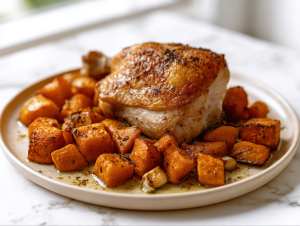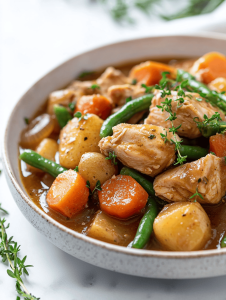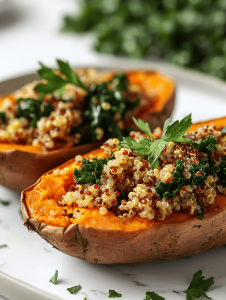

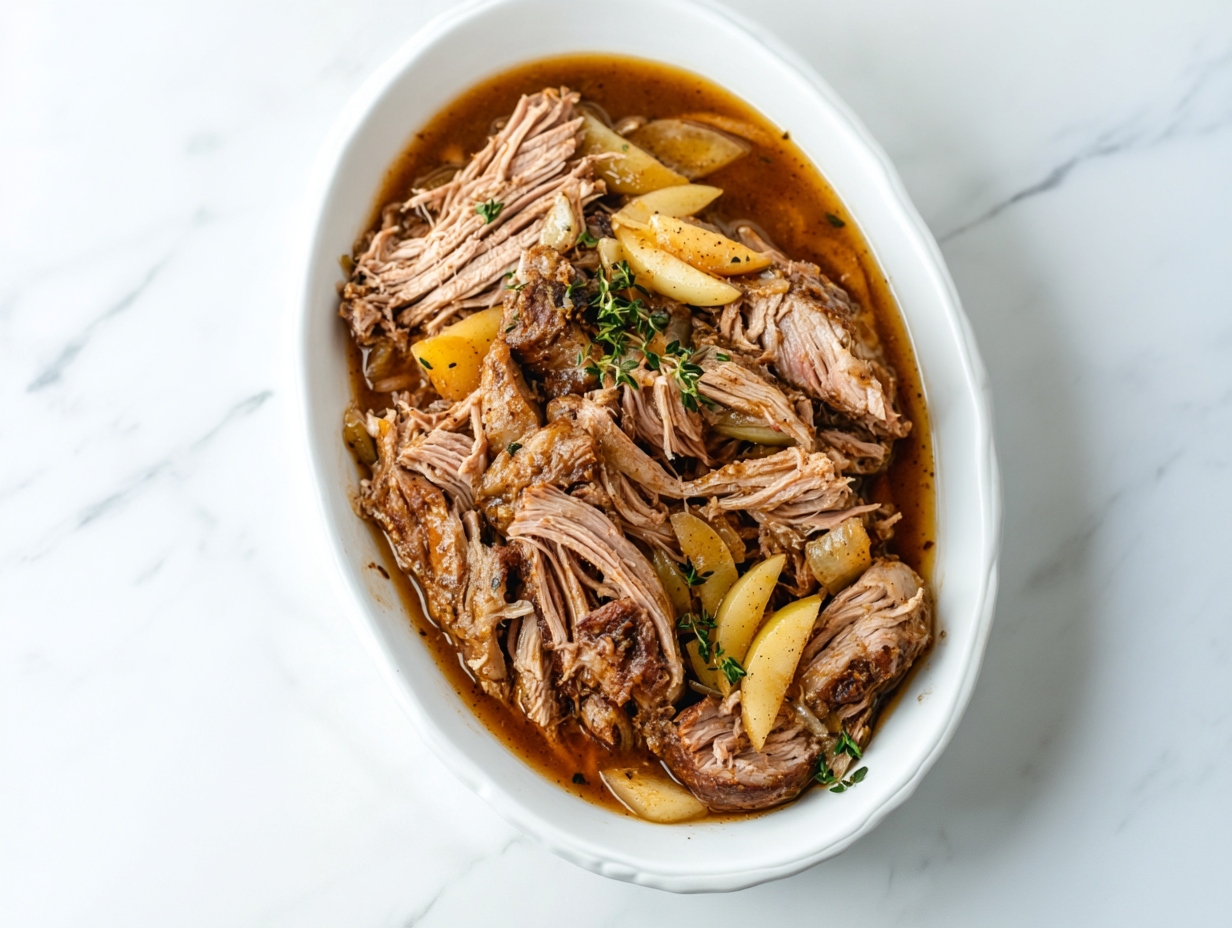

Slow-Cooked Pork Roast with Apple Cider turns a simple pork roast into a comforting fall dinner with very little hands-on work. The pork is seared first, then slowly cooked with apple cider, onion, garlic, and cinnamon until tender enough to pull apart with a fork.
Apple cider gives the cooking liquid a subtle fruity character that pairs naturally with pork, while cinnamon adds gentle warmth. After cooking, the cider liquid is reduced into a glossy sauce that can be spooned over the sliced or shredded meat.
Why You’ll Reach for This Recipe Again
- Hands-Off Cooking: After searing and assembling the ingredients, the slow cooker handles the long cooking stage.
- Simple Ingredient List: Pork, cider, onion, garlic, and a few seasonings create the foundation.
- Make-Ahead Friendly: The slow cooking method makes it convenient to prepare the main component ahead of mealtime.
- Flexible Pork Cuts: Pork shoulder or pork loin can be used according to the result you prefer.
- Easy Sauce: The cooking liquid is strained and reduced into a finishing sauce without requiring complicated techniques.
- Beginner Friendly: Searing, slow cooking, resting, and reducing are the main techniques involved.
Ingredient Notes & Easy Substitutions

- Pork Shoulder or Pork Loin: Pork shoulder is naturally well suited to long cooking and becomes very tender. Pork loin is leaner and can also be used, but it should be monitored carefully to avoid overcooking.
- Apple Cider: Unfiltered apple cider is recommended for a richer apple character. Use regular apple cider rather than apple cider vinegar, which has a completely different flavor and acidity.
- Onion: A large sliced onion adds savory depth to the cooking liquid. Slice it evenly so it cooks at a consistent rate.
- Garlic: Fresh minced garlic adds aromatic depth to the cider-based cooking liquid. Two cloves provide a balanced amount without overwhelming the apple notes.
- Cinnamon: Ground cinnamon brings warmth to the pork and cider combination. A measured amount is enough to complement the cider without turning the sauce overly sweet.
- Brown Sugar: The brown sugar is optional and can help balance the cider’s natural acidity. You can leave it out if you prefer a less sweet sauce.
Chef’s Tip: Give the pork a thorough sear on every side before transferring it to the slow cooker. A well-browned exterior adds much more depth to the finished cooking liquid than simply placing the raw roast in the slow cooker.
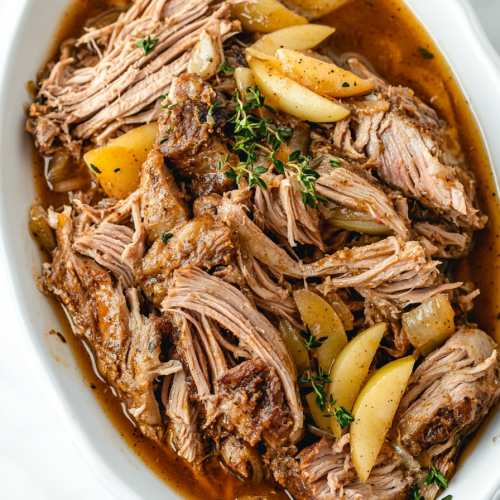
Slow-Cooked Pork Roast with Apple Cider
Equipment
- Skillet or frying pan
- Slow Cooker
Ingredients
- 3 pounds pork shoulder or pork loin roast preferably bone-in for more flavor
- 2 cups apple cider preferably unfiltered for richer flavor
- 2 tablespoons olive oil for searing
- 1 large onion sliced
- 2 cloves garlic minced
- 1 teaspoon cinnamon ground
- 1 tablespoon brown sugar optional, for balance
- to taste salt and pepper for seasoning
Instructions
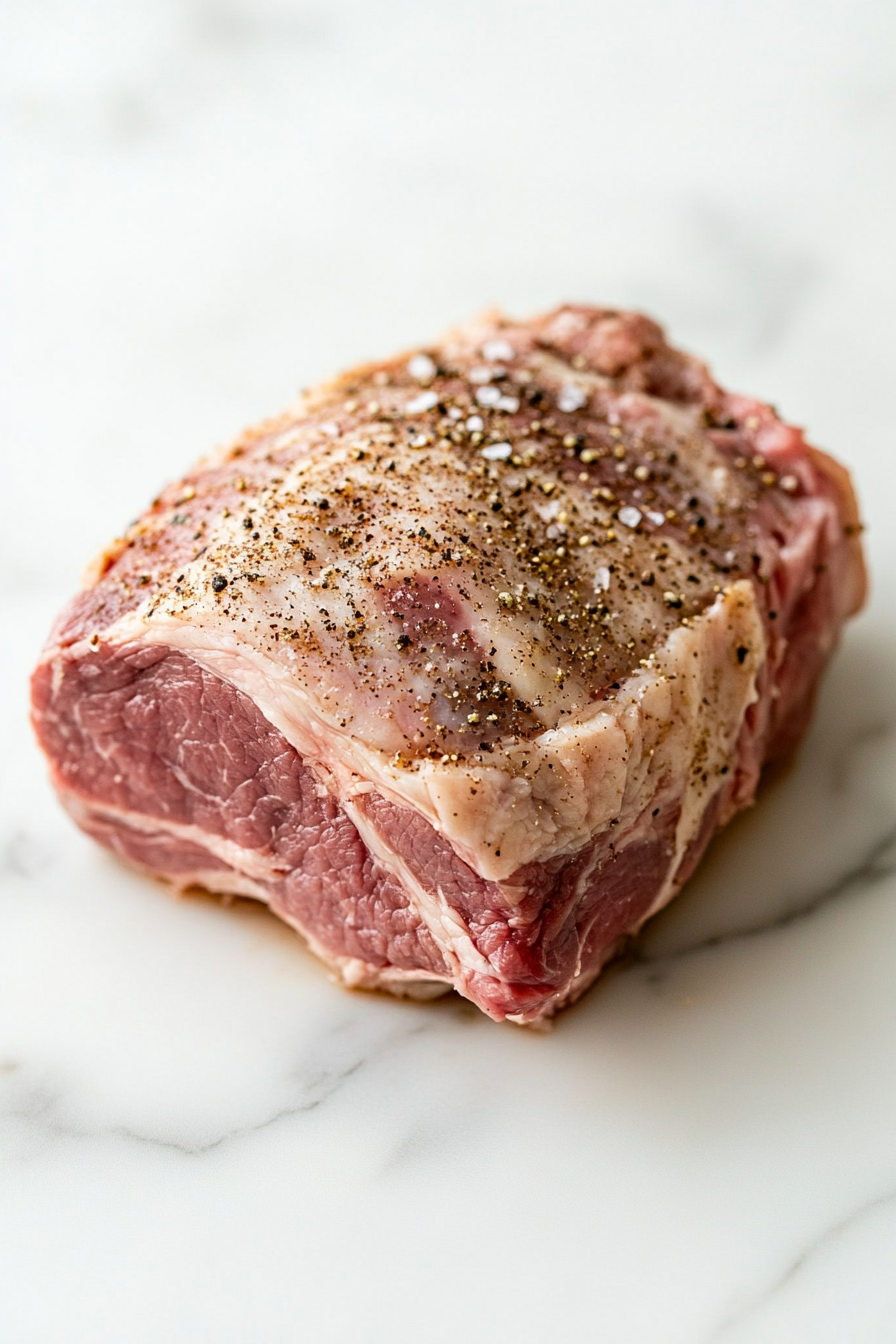
- Pat the pork roast dry with paper towels and season it generously with salt and pepper on all sides.
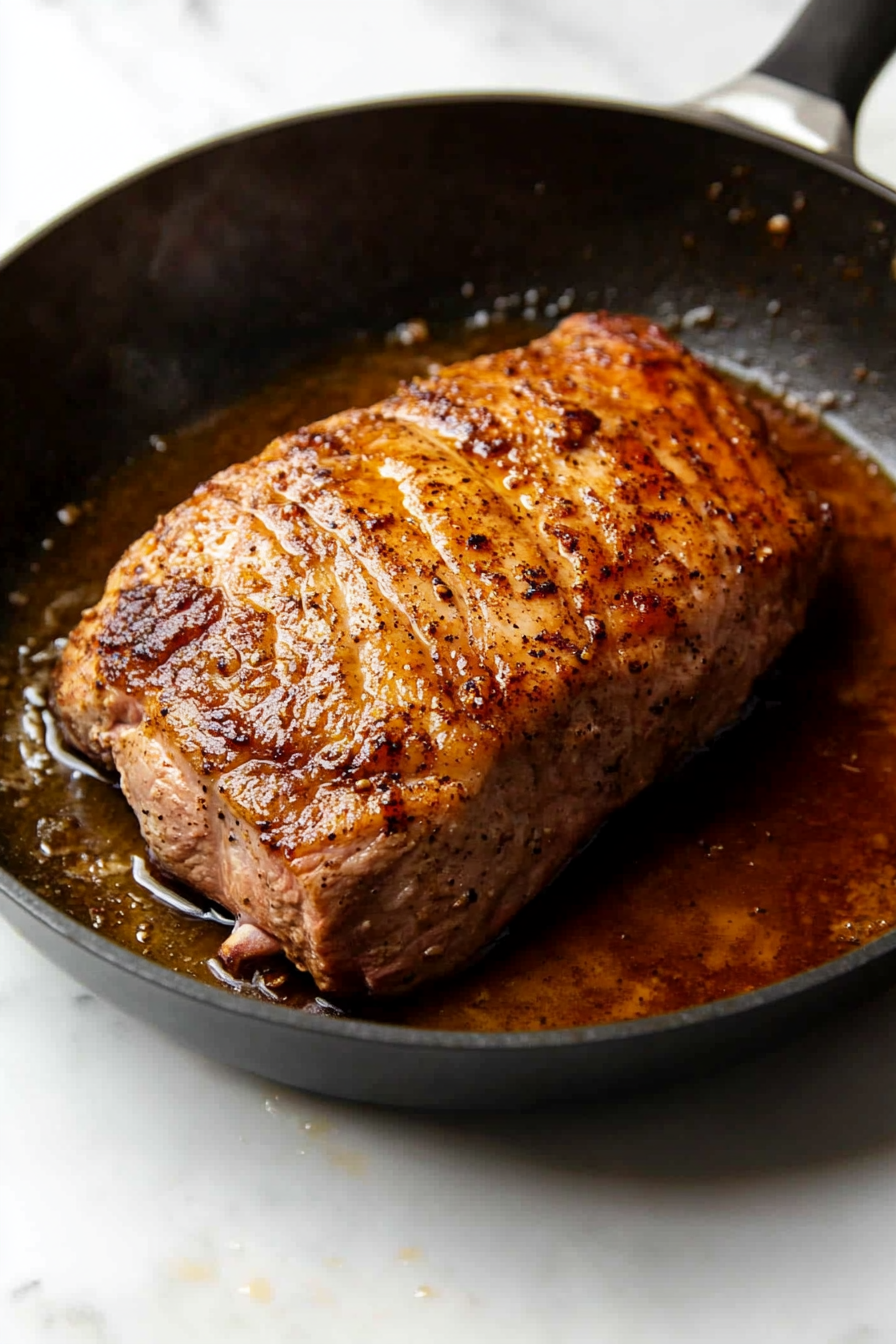
- Heat a tablespoon of olive oil in a large skillet over medium-high heat until shimmering and just starting to smoke.

- Add the pork to the skillet and sear each side for about 3-4 minutes, until evenly browned and caramelized. This builds flavor and creates a nice crust.
- Transfer the seared pork to the slow cooker, and add sliced onion and minced garlic around it for extra aroma.
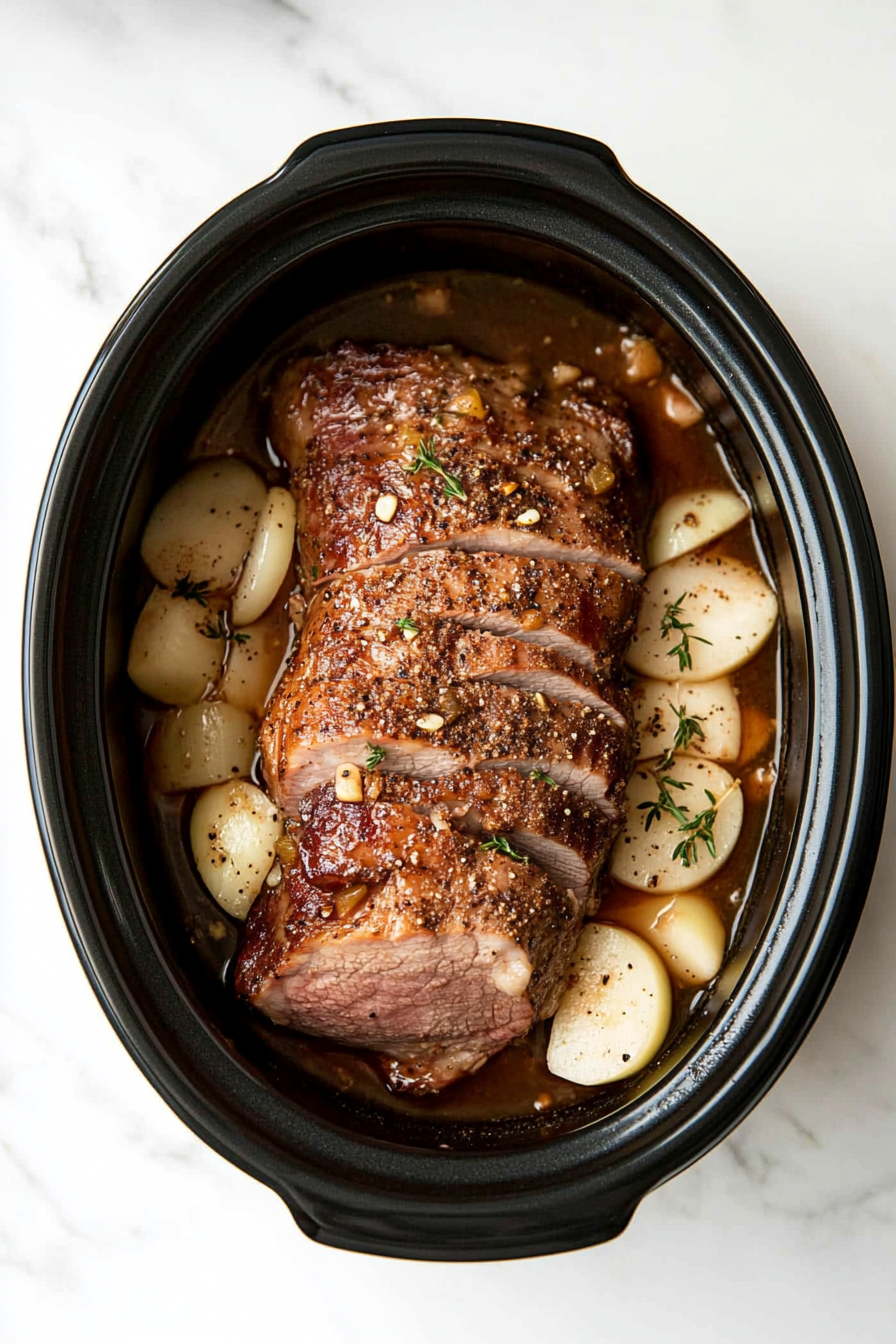
- Pour the apple cider over the pork, ensuring it almost covers the meat for optimal flavor infusion.
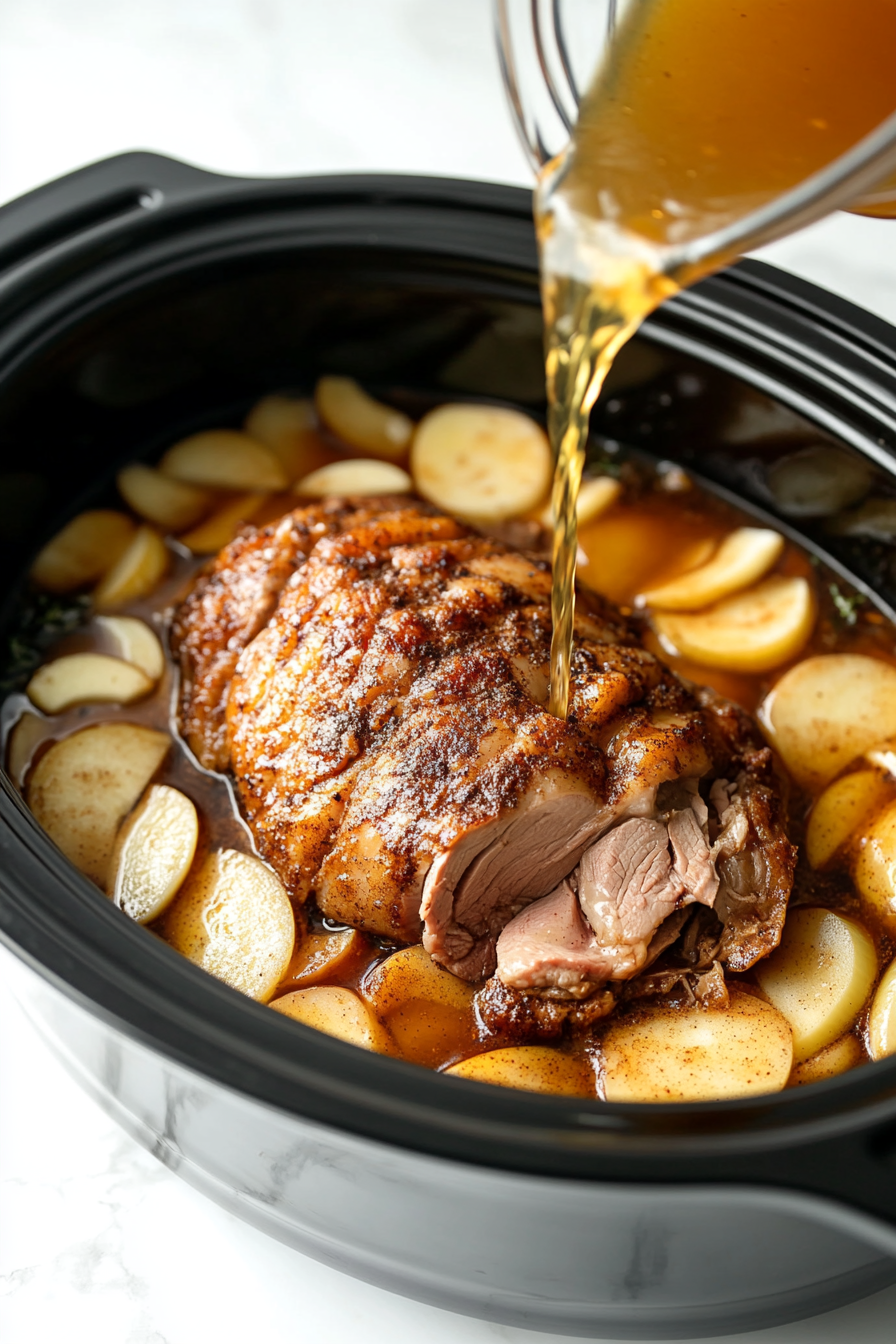
- Sprinkle cinnamon and brown sugar over everything, then cover the slow cooker with the lid.
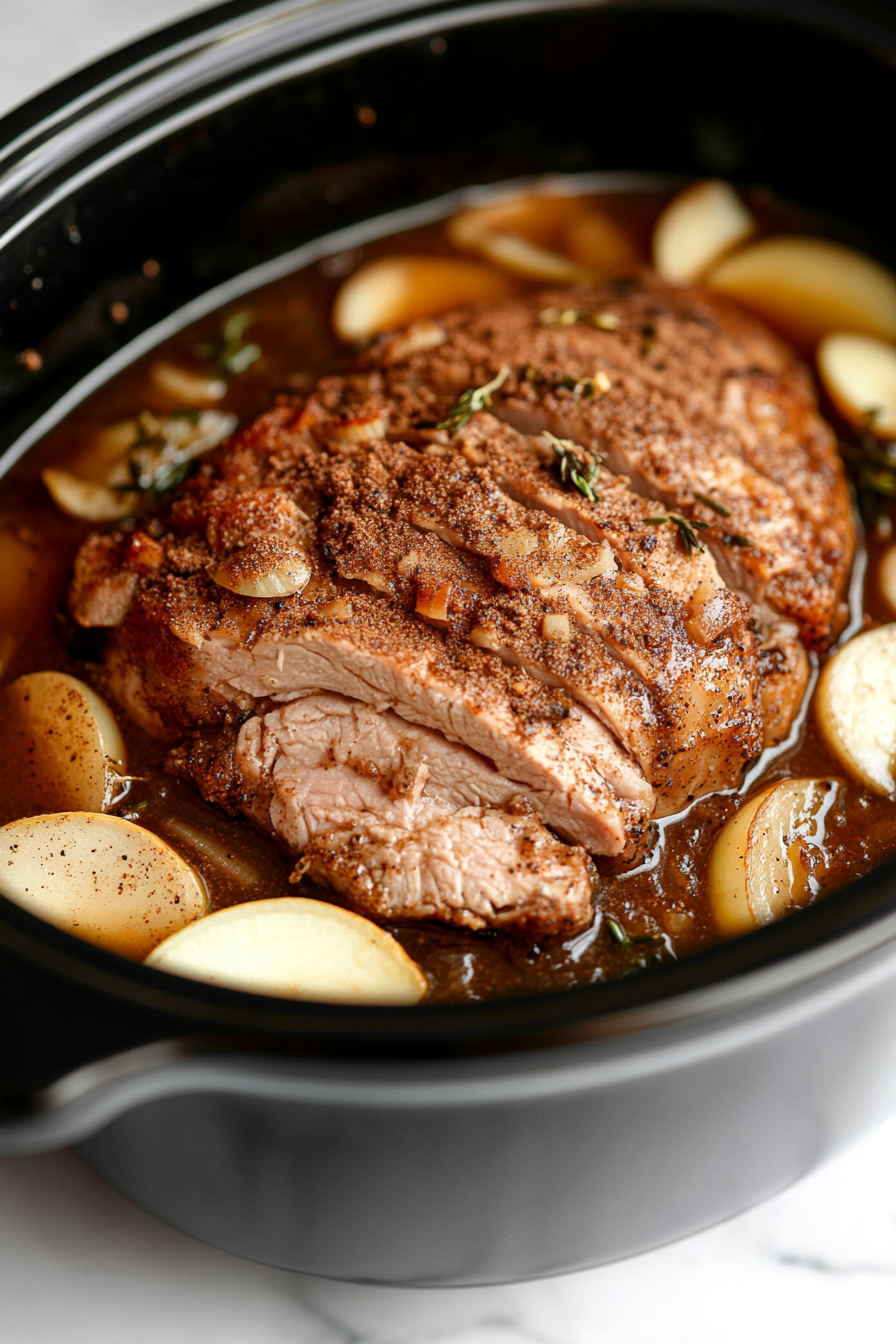
- Cook on low heat for about 8 hours, or until the pork is tender and easily pulls apart with a fork. The house will fill with warm, spicy aromas.
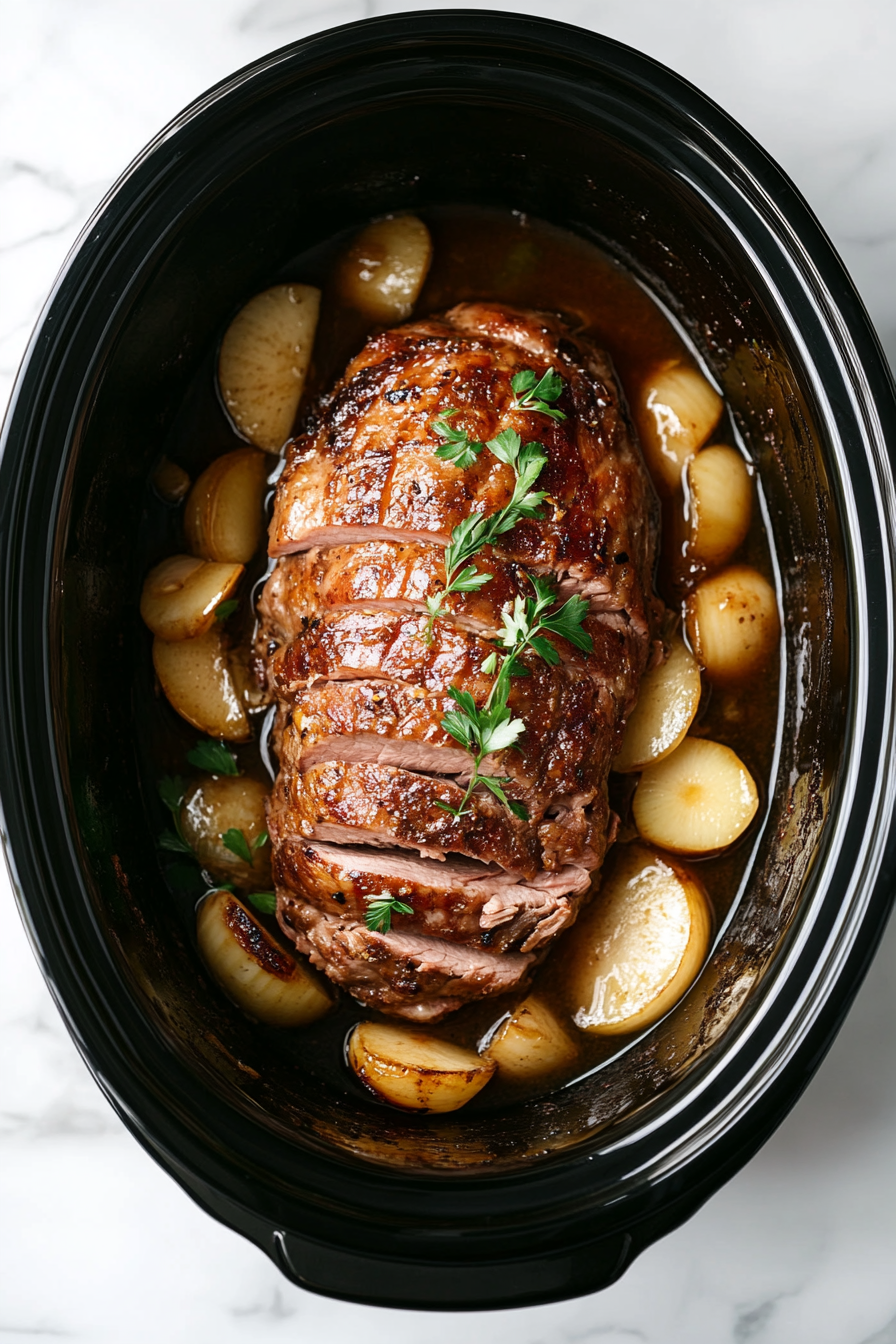
- Once cooked, carefully transfer the pork to a cutting board and let it rest for 10 minutes, allowing the juices to redistribute.
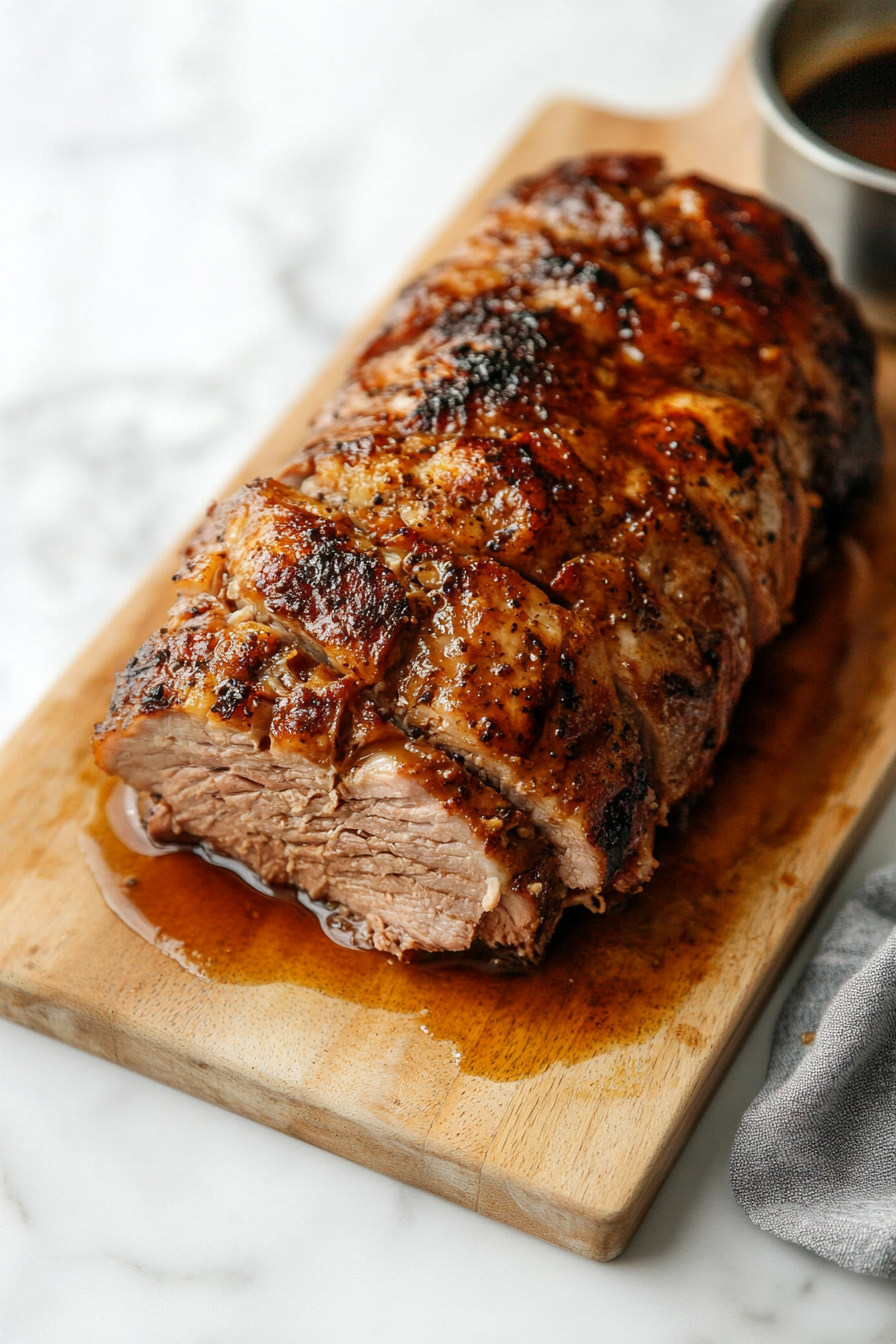
- Meanwhile, strain the cooking liquid into a saucepan and simmer over medium heat to reduce and thicken slightly, about 10 minutes, until glossy and flavorful.

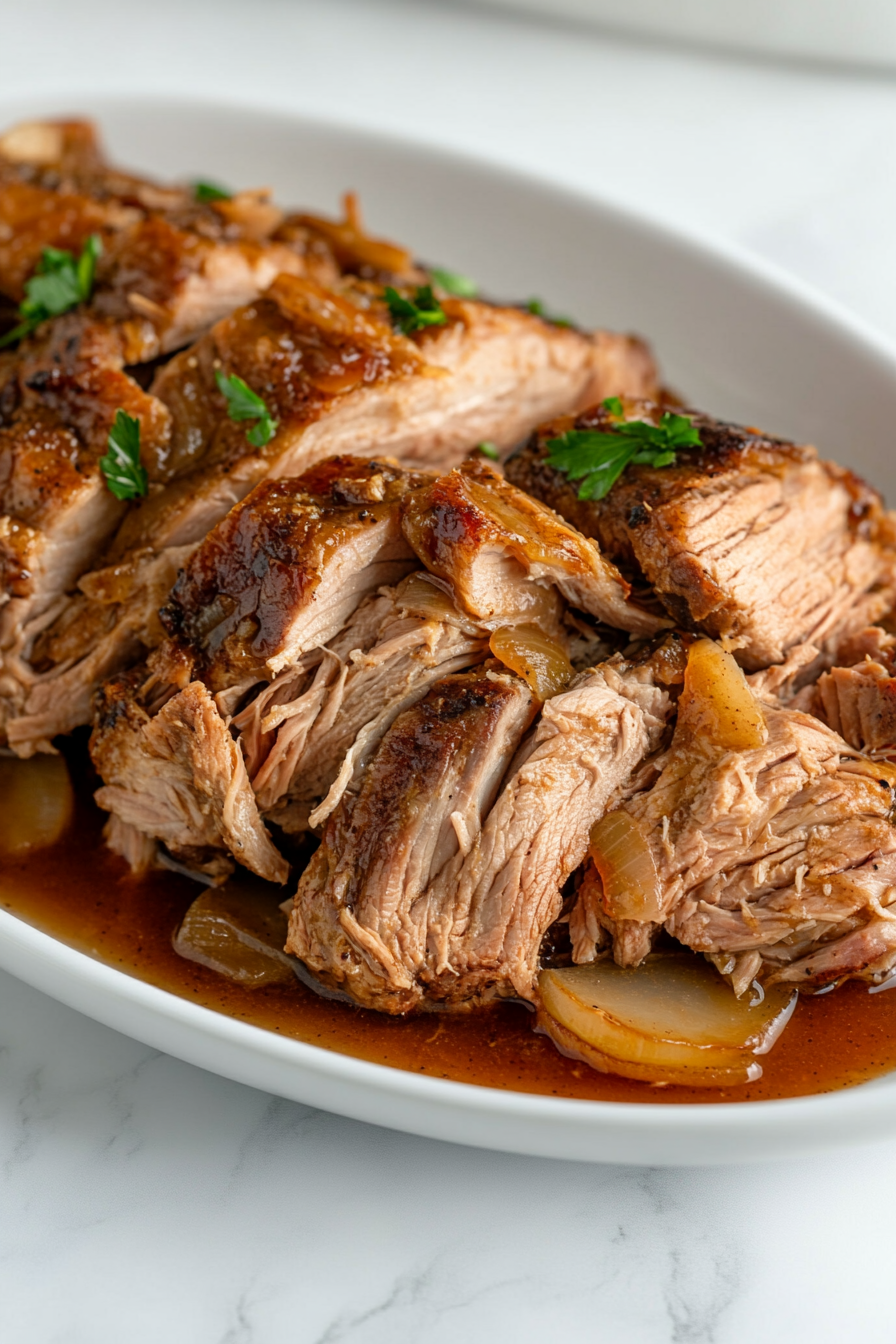
- Shred or slice the pork, then return it to the slow cooker or serving platter. Drizzle the warm cider sauce over the meat for a rich, fruity finish.
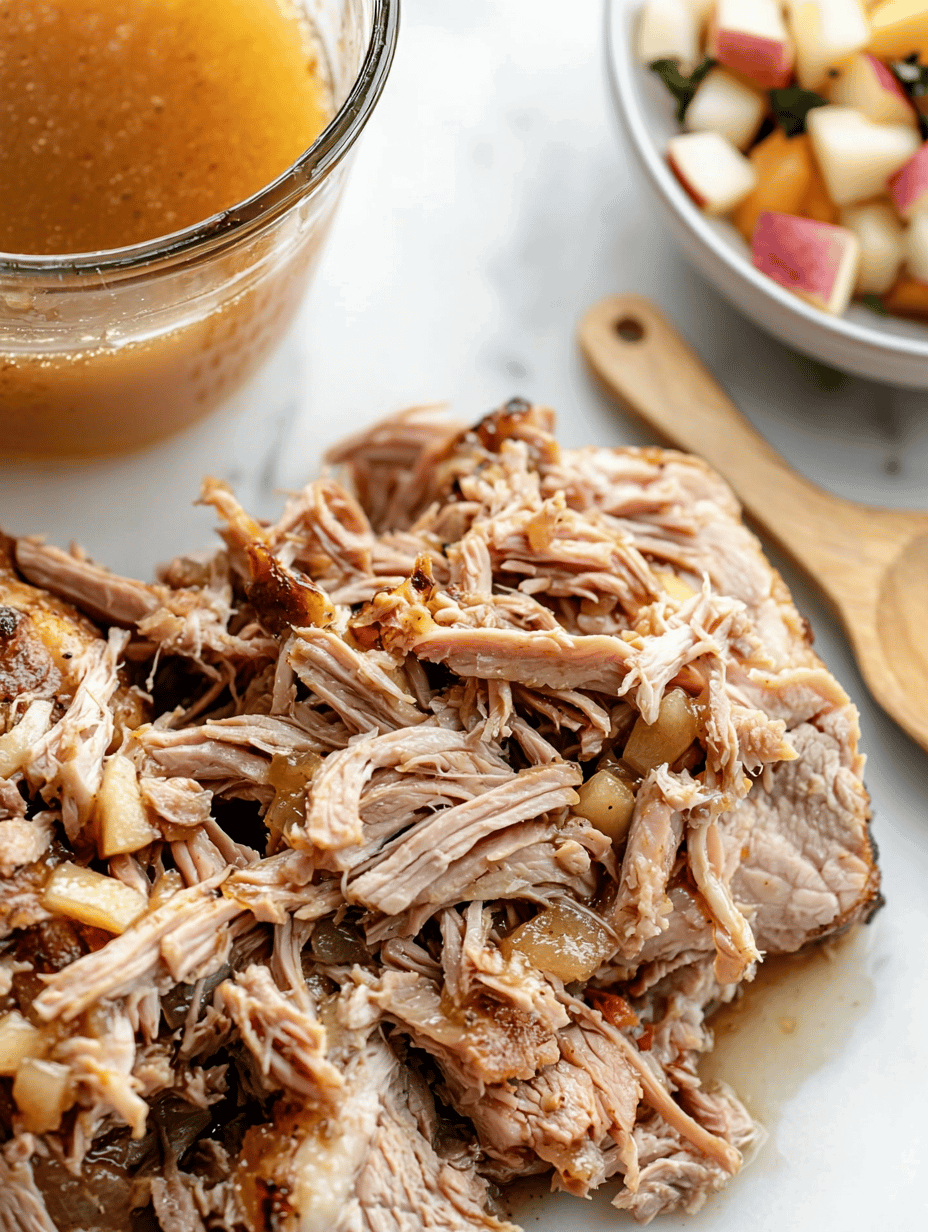
- Serve the tender pork hot, spooned with the cider sauce, alongside the halved onions, and garnish with a sprinkle of cinnamon or fresh herbs, if desired.
Notes
Nutrition Information
Estimated nutrition per serving based on 6 servings. Actual values will vary depending on whether pork shoulder or pork loin is used, as well as the amount of sauce consumed.
| Nutrient | Amount |
|---|---|
| Calories | 350 kcal |
| Carbohydrates | 13 g |
| Protein | 42 g |
| Fat | 15 g |
| Fiber | 1 g |
| Sugar | 10 g |
| Sodium | 520 mg |
Common Mistakes to Avoid
- Skipping the Sear: Putting the pork directly into the slow cooker misses the browning that develops during the skillet step.
- Searing Wet Pork: Pat the roast dry before seasoning so it can brown properly rather than releasing excess moisture into the skillet.
- Using Excess Cider: The recipe calls for enough cider to almost cover the pork. Adding substantially more can dilute the finished sauce.
- Lifting the Slow Cooker Lid: Repeatedly opening the lid releases heat and can interfere with consistent cooking.
- Reducing Too Far: The cider sauce should thicken slightly and become glossy, not cook down until very little liquid remains.
- Skipping the Rest: Allowing the pork to rest for 10 minutes gives the juices time to redistribute before slicing or shredding.
Flavor Twists Worth Trying
- Apple and Herb Version: Add fresh thyme or rosemary to the slow cooker for a more herbal profile.
- Mustard Twist: Stir a little Dijon mustard into the reduced cider sauce for added tang.
- Garlic Herb Roast: Increase the garlic and add fresh rosemary for a more savory variation.
- Maple Finish: Replace the brown sugar with a small amount of maple syrup for a different sweet note.
- Spiced Version: Add a small pinch of ground cloves or allspice alongside the cinnamon.
- Onion Upgrade: Use a combination of yellow and red onions for additional color and sweetness.
- Peppery Finish: Add freshly cracked black pepper to the reduced cider sauce just before serving.
More Main Course Recipes to Try
- Roasted Butternut Squash Soup
- Roasted Cauliflower & Garlic Soup
- Butternut Squash and Ginger Soup
- Roasted Fennel and Pumpkin Autumn Soup
Best Ways to Store Leftovers
- Refrigerator Storage: Transfer cooled pork and sauce to airtight containers and refrigerate for up to 4 days.
- Separate the Sauce: Store the reduced cider sauce separately when possible to make portioning easier.
- Portioning: Divide shredded pork into individual containers for convenient meals.
- Cooling: Allow the pork and sauce to cool appropriately before refrigerating.
- Freshness Tip: Keep the meat tightly covered so it does not dry out or absorb refrigerator odors.
Helpful Answers Before You Cook
- Is pork shoulder or pork loin better for slow cooking?
Pork shoulder is generally more forgiving during long cooking because it contains more connective tissue and fat. Pork loin is leaner and benefits from closer attention to cooking time. - Can I use apple juice instead of apple cider?
Apple juice can be used in a pinch, but cider generally provides a fuller apple character and is the preferred choice for this recipe. - Why should the pork be patted dry before searing?
Removing surface moisture helps the pork make better contact with the hot skillet, encouraging browning rather than steaming. - How do I know when the pork is tender enough to shred?
The pork should pull apart easily with a fork. If it still feels firm, it needs more cooking time. - What does reducing the cider liquid accomplish?
Simmering the strained liquid removes some water and concentrates its flavors while creating a slightly thicker consistency. - Should I strain the cooking liquid before reducing it?
Yes. Straining removes the cooked onion and garlic pieces, giving you a smoother sauce to drizzle over the pork. - Can I slice the pork instead of shredding it?
Yes. If the roast holds its shape well, slice it against the grain into portions and spoon the cider sauce over the top. - How can I tell whether the reduced sauce is ready?
It should look slightly thicker and glossy compared with the original cooking liquid. It should still be fluid enough to drizzle over the pork.


hi there,
The Freshman Cook started as a place to keep track of recipes I wanted to make again. Somewhere along the way, it grew into a collection of meals that friends requested, desserts that disappeared too quickly, and weeknight dinners that made life a little easier.
know more