


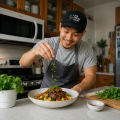
These Pumpkin Spice Pancakes are soft, fluffy, and warmly spiced with pumpkin, cinnamon, and nutmeg. Pumpkin purée gives the batter a tender texture, while buttermilk adds a gentle tang that balances the sweetness.
They come together in about 25 minutes, making them an easy choice for a fall breakfast or a slow weekend morning. Serve the stack warm with maple syrup, whipped cream, or toasted pecans.
What Makes These Pumpkin Pancakes Fluffy?
The texture starts with the combination of baking powder and baking soda. The buttermilk provides acidity for the baking soda, helping the batter develop lift as it cooks.
Pumpkin purée also adds moisture, so the batter should not be mixed more than necessary. Once the wet and dry ingredients are combined, a few small lumps are completely fine.
Trying to make the batter perfectly smooth can actually work against the soft texture you’re looking for.
The Role of Buttermilk and Pumpkin
Buttermilk does two useful things here. Its tangy flavor keeps the pancakes from tasting overly sweet, while its acidity works with the baking soda in the batter.
Pumpkin purée contributes moisture and gives the pancakes their characteristic orange-gold color. Together, the two ingredients create a batter that cooks into a soft, tender center.
Since pumpkin adds moisture to the mixture, the pancakes benefit from being cooked over moderate heat rather than a very hot griddle.

Pumpkin Spice Pancakes
Equipment
- Mixing bowls
- Griddle or non-stick skillet
- Whisk
- Measuring cups and spoons
Ingredients
- 1 1/2 cups all-purpose flour
- 1 tablespoon granulated sugar
- 1 teaspoon baking powder
- 1/2 teaspoon baking soda
- 1/2 teaspoon ground cinnamon warm and aromatic
- 1/4 teaspoon ground nutmeg for depth of flavor
- 1/4 teaspoon salt
- 1 cup buttermilk thick and tangy
- 1/2 cup pumpkin purée smooth and vibrant
- 2 large eggs lightly beaten
- 4 tablespoons unsalted butter melted
- 1 teaspoon vanilla extract
Instructions
- In a large mixing bowl, whisk together flour, sugar, baking powder, baking soda, cinnamon, nutmeg, and salt until well combined.

- In a separate bowl, mix together buttermilk, pumpkin purée, eggs, melted butter, and vanilla until smooth and evenly incorporated.

- Pour the wet mixture into the dry ingredients and gently fold together using a spatula, just until the batter is combined—be careful not to overmix; the batter should be slightly lumpy.

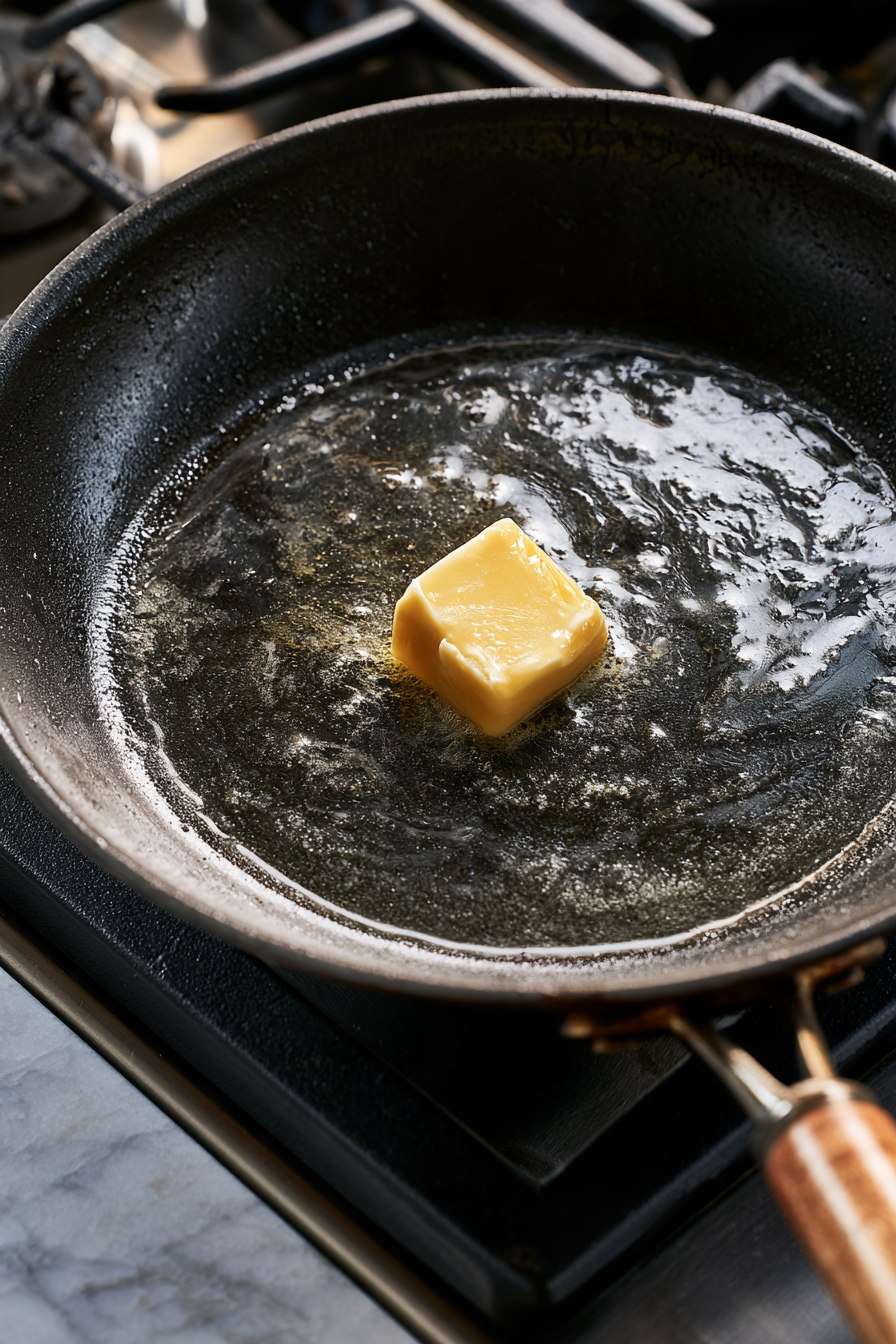
- Preheat a griddle or non-stick skillet over medium heat until hot. Lightly grease with butter or spray with non-stick spray.
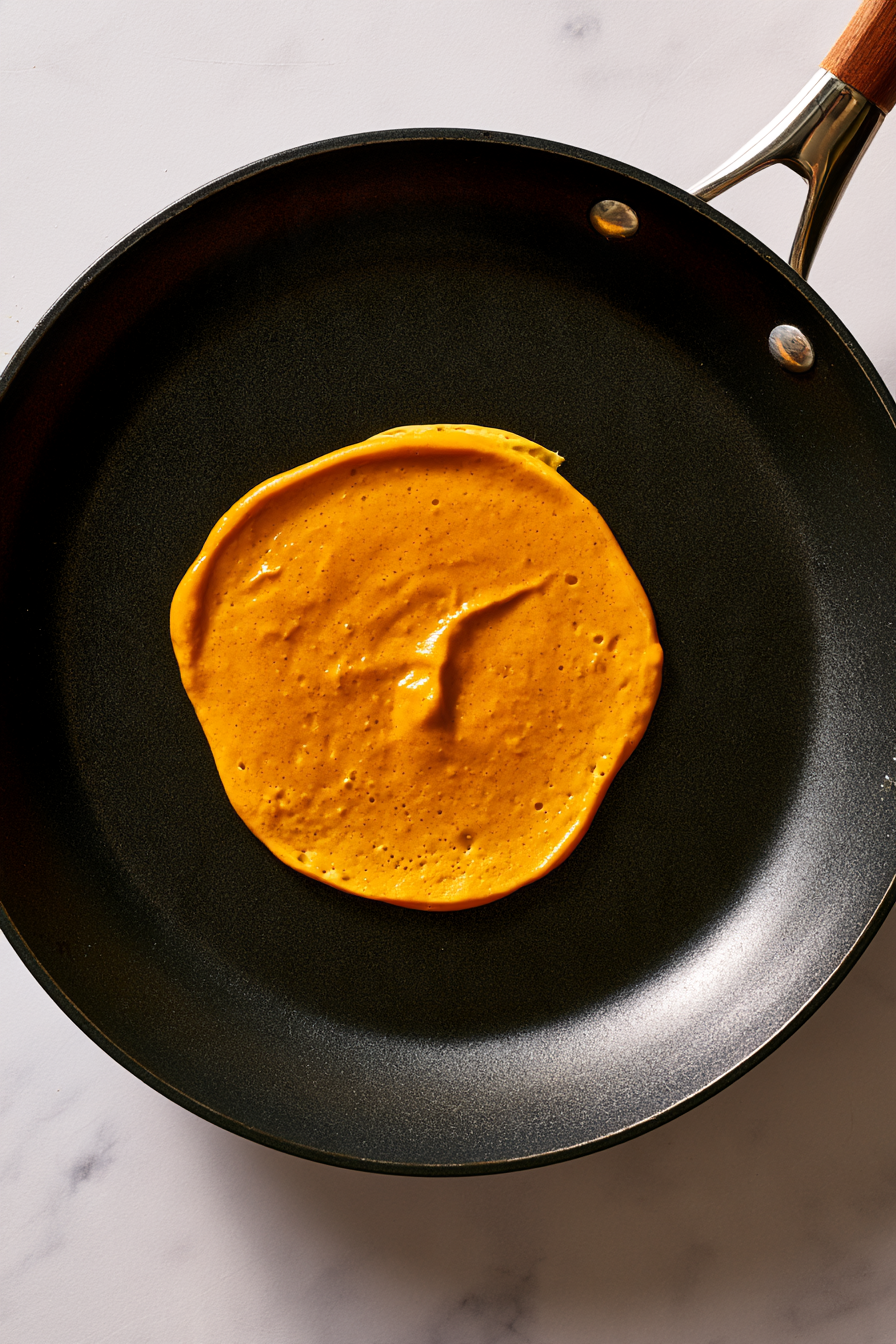
- Pour approximately 1/4 cup of batter onto the skillet for each pancake, leaving space for spreading.
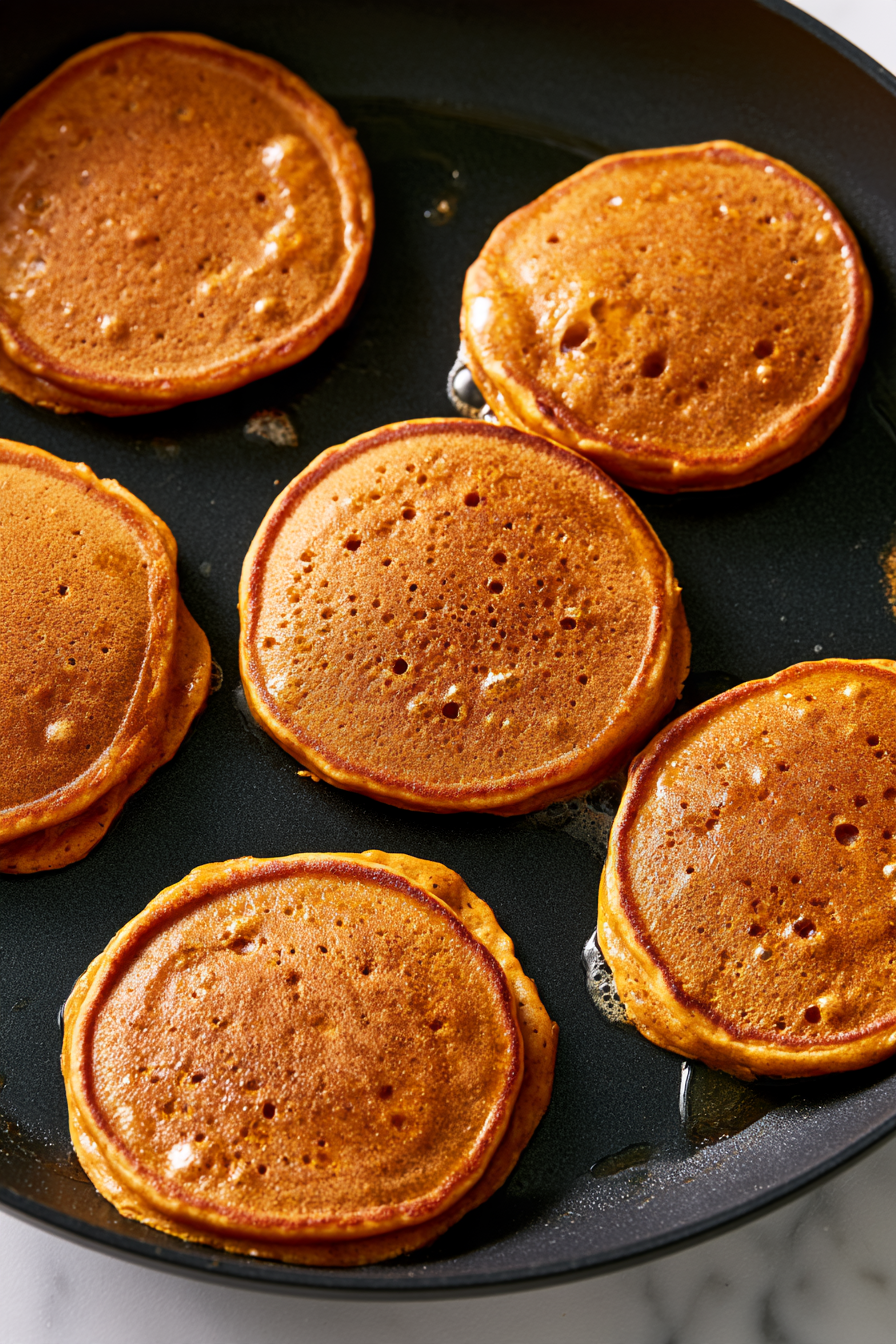
- Cook until bubbles form on the surface and the edges look set, about 2–3 minutes. The pancakes will turn a light golden brown.
- Flip the pancakes carefully with a spatula and cook for another 2–3 minutes until the underside is golden and the pancakes feel fluffy when gently pressed.
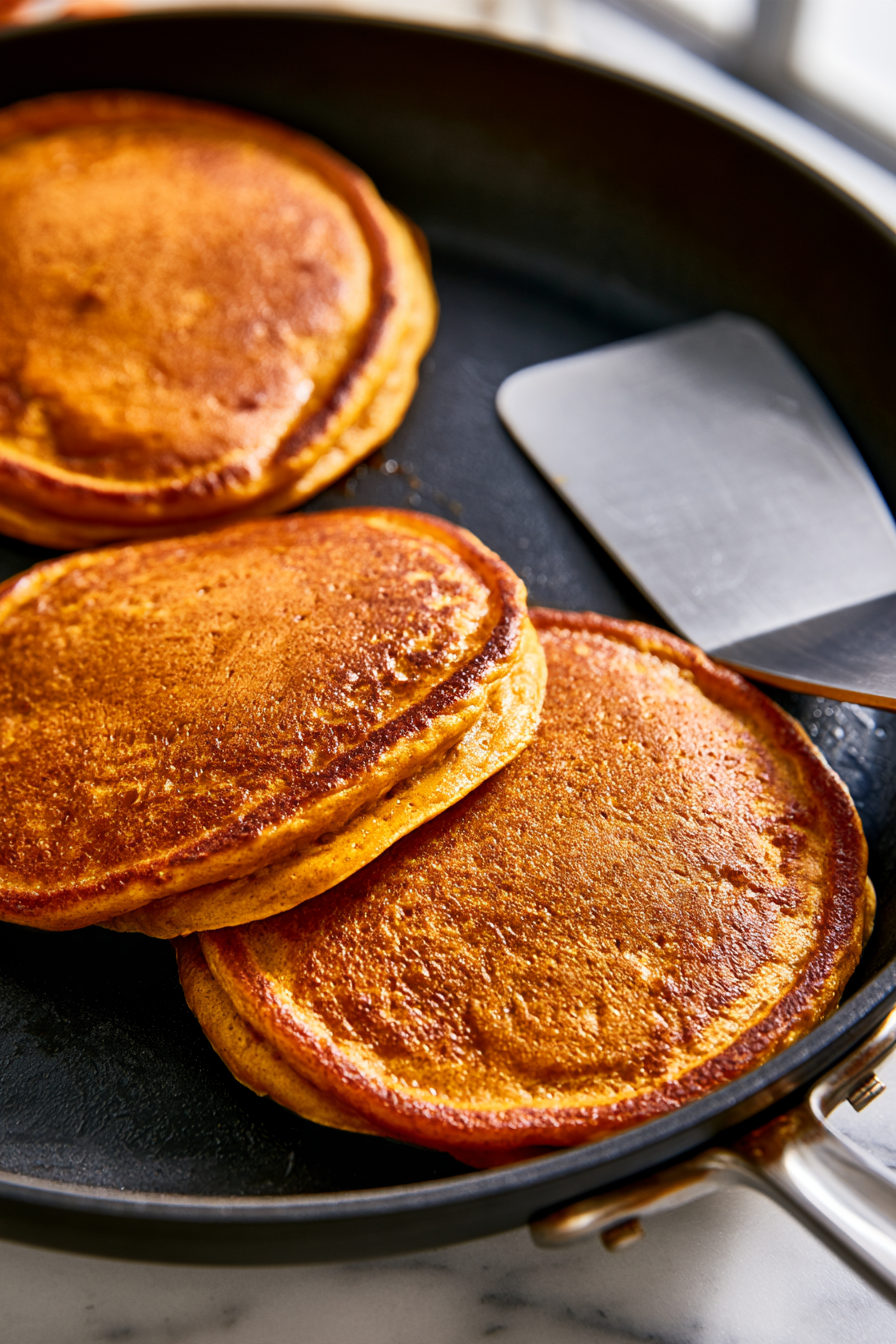
- Transfer cooked pancakes to a warm plate and repeat with the remaining batter, adjusting heat as needed to prevent burning.

- Serve the pancakes warm, topped with your favorite accompaniments like whipped cream, maple syrup, or toasted pecans.

How to Know When to Flip
Don’t rely on the clock alone when cooking pancakes.
Look for bubbles forming across the surface and edges that have started to look set. The underside should also have developed a light golden color.
If you flip too early, the batter can spread or tear. If you wait too long, the first side may become darker than you want.
A medium heat setting gives you enough time for the center to cook while the outside develops an even golden finish.
Keeping the Pancakes Warm
If you’re cooking several batches, the first pancakes can cool while the rest are on the griddle.
Transfer finished pancakes to a warm plate as you work. You can also keep them warm in a low-temperature oven while you finish cooking the remaining batter.
Avoid stacking them for too long while they’re very hot if you want to preserve their lightly browned exterior, since trapped steam can soften the surface.
Common Pancake Problems
- Pancakes are dense: The batter may have been overmixed. Fold the wet and dry ingredients together only until combined.
- Pancakes brown too quickly: Lower the griddle temperature. Pumpkin adds moisture to the batter, so moderate heat helps the center cook before the exterior becomes too dark.
- Pancakes are raw in the center: The griddle may be too hot, causing the outside to cook before the center has time to set.
- Pancakes spread too much: Make sure the griddle is properly preheated before adding the batter, and avoid excessive stirring once the batter is mixed.
- Unevenly spiced pancakes: Whisk the cinnamon and nutmeg thoroughly into the dry ingredients before combining them with the wet mixture.
More Breakfast Recipes You’ll Try
Frequently Asked Questions
- Can I make the batter ahead of time?
It’s best to cook the pancakes soon after mixing the batter. The leavening agents begin working once the wet ingredients meet the dry ingredients, so letting the batter sit for a long time can affect the final rise. - Why are there both baking powder and baking soda?
They provide different sources of leavening. The baking soda works with the acidity of the buttermilk, while baking powder provides additional lift. - Can I use a skillet instead of a griddle?
Yes. A non-stick skillet works well. Cook the pancakes in batches and adjust the heat as needed so the bottoms become golden without burning. - Why is slightly lumpy batter okay?
Small lumps are normal in pancake batter. Overmixing in an attempt to eliminate every lump can develop the flour’s gluten and make the finished pancakes less tender. - How much batter should I use for each pancake?
The recipe calls for approximately 1/4 cup of batter per pancake. This produces pancakes that are easy to flip and gives the center enough time to cook evenly. - How do I keep pancakes from getting cold while I finish the batch?
Transfer cooked pancakes to a warm plate as you work, or keep them warm in a low-temperature oven until the remaining pancakes are ready.

hi there,
The Freshman Cook started as a place to keep track of recipes I wanted to make again. Somewhere along the way, it grew into a collection of meals that friends requested, desserts that disappeared too quickly, and weeknight dinners that made life a little easier.
know more


