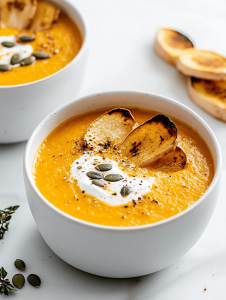

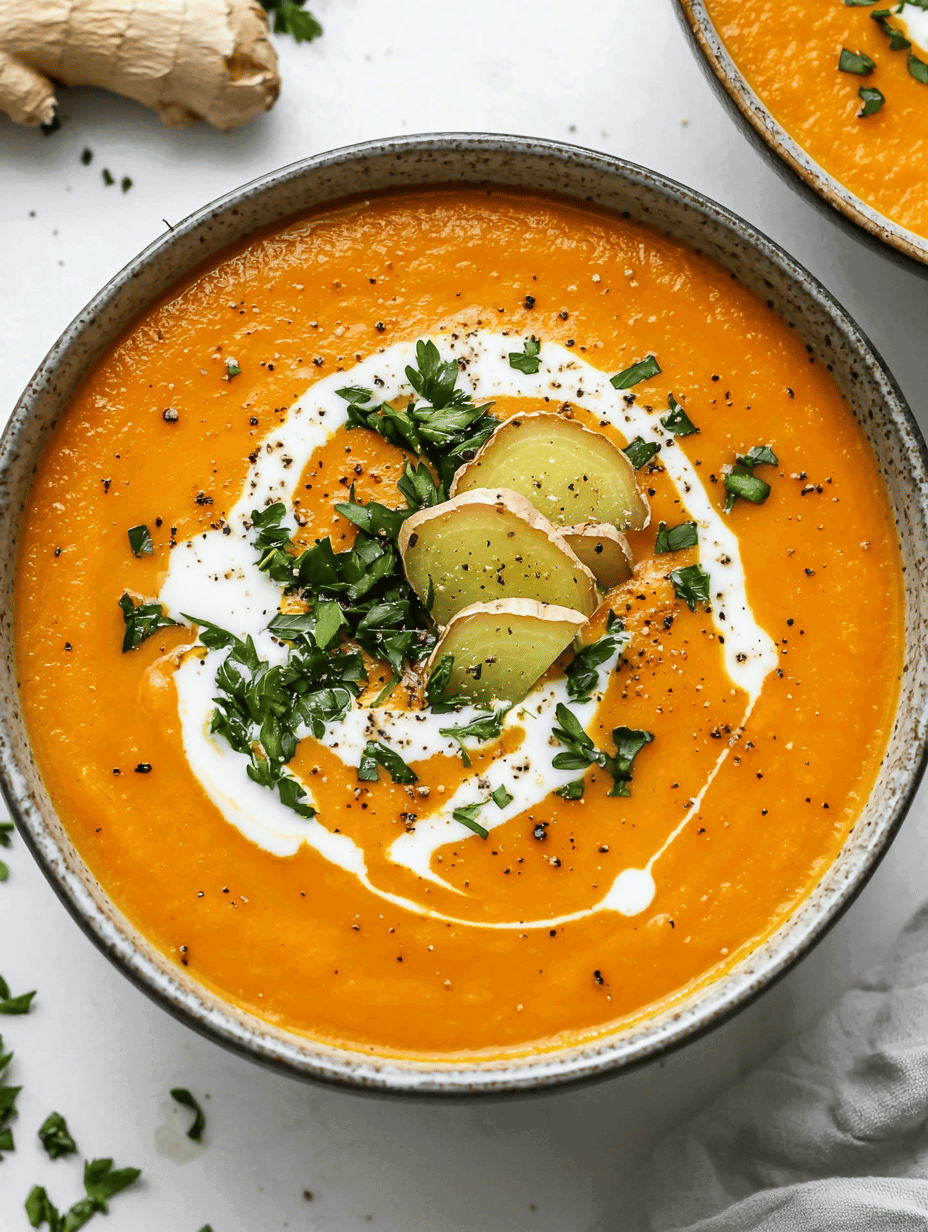

Butternut Squash and Ginger Soup is a fall recipe made with roasted squash, fresh ginger, garlic, and vegetable broth blended into a smooth soup. Roasting the squash brings out its natural sweetness, while ginger adds a fresh, warming note that balances the flavors.
This soup is a great choice for cooler days, weekend lunches, or a simple dinner when you want something made with seasonal ingredients. Coconut milk can be added for extra richness, while a splash of lemon juice helps brighten the finished bowl.
Why This Recipe Works So Well
- Roasted Squash Base: Roasting the squash before blending develops deeper flavor and creates a richer soup.
- Simple Cooking Process: The recipe uses basic preparation steps without complicated techniques.
- Vegetarian-Friendly: Made with vegetable broth and plant-based ingredients.
- Flexible Serving Option: Works as a starter, lunch, or light main course.
- Easy to Customize: Additional spices, herbs, or toppings can be added based on preference.
- Good for Batch Cooking: A single batch makes multiple servings for planned meals.
Ingredient Notes & Helpful Substitutions

- Butternut Squash: Fresh squash provides the best flavor, but pre-cut squash can save preparation time. Make sure pieces are similar in size for even roasting.
- Fresh Ginger: Adds a sharp, aromatic note to the soup. Reduce the amount slightly if you prefer a milder flavor.
- Coconut Milk: Adds richness and a smoother finish. Use full-fat coconut milk for a thicker texture or skip it for a lighter soup.
- Vegetable Broth: Choose a low-sodium broth so you can adjust seasoning yourself.
- Lemon Juice: A small amount helps balance the sweetness of the squash. Lime juice can also work as an alternative.
- Olive Oil: Used for roasting and sautéing, it helps cook the vegetables evenly and adds depth.
Chef’s Tip: Spread the squash pieces in a single layer while roasting. Overcrowding the baking sheet can prevent proper browning.
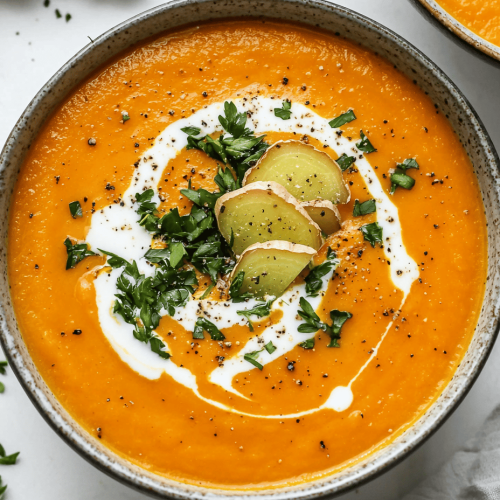
Butternut Squash and Ginger Soup
Equipment
- Baking sheet
- Blender (or immersion blender)
- Large pot
- Chef's knife
- Cutting Board
Ingredients
- 1 kg butternut squash peeled and cubed
- 2 tablespoons olive oil for roasting and sautéing
- 1 inch fresh ginger peeled and grated
- 1 medium onion diced
- 2 cloves garlic minced
- 4 cups vegetable broth
- 1 can coconut milk optional for creaminess
- to taste salt and pepper
- a squeeze lemon juice optional, for brightness
Instructions
- Preheat your oven to 400°F (200°C). Spread the cubed butternut squash on a baking sheet, toss with a tablespoon of olive oil, and roast for about 25-30 minutes until tender and caramelized around the edges.
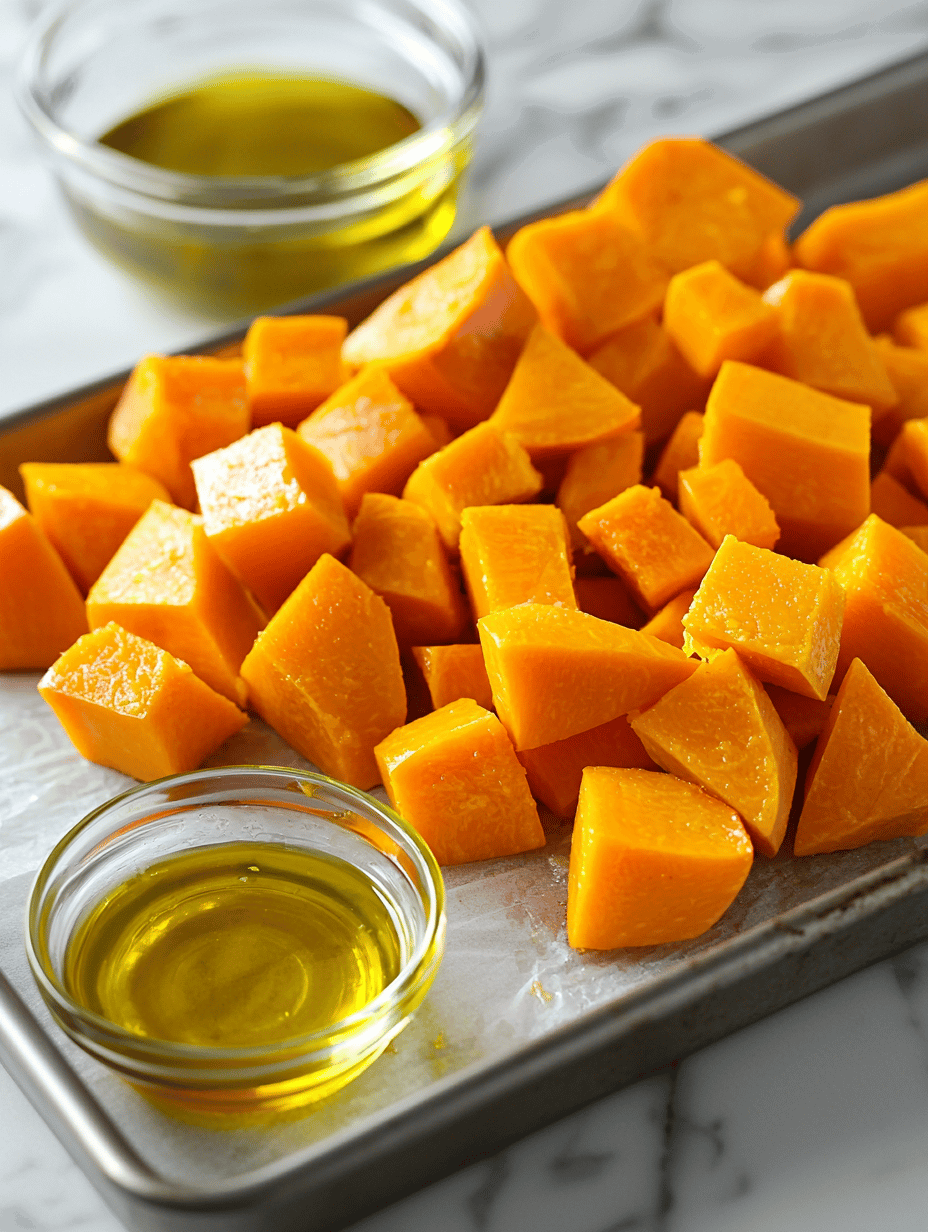
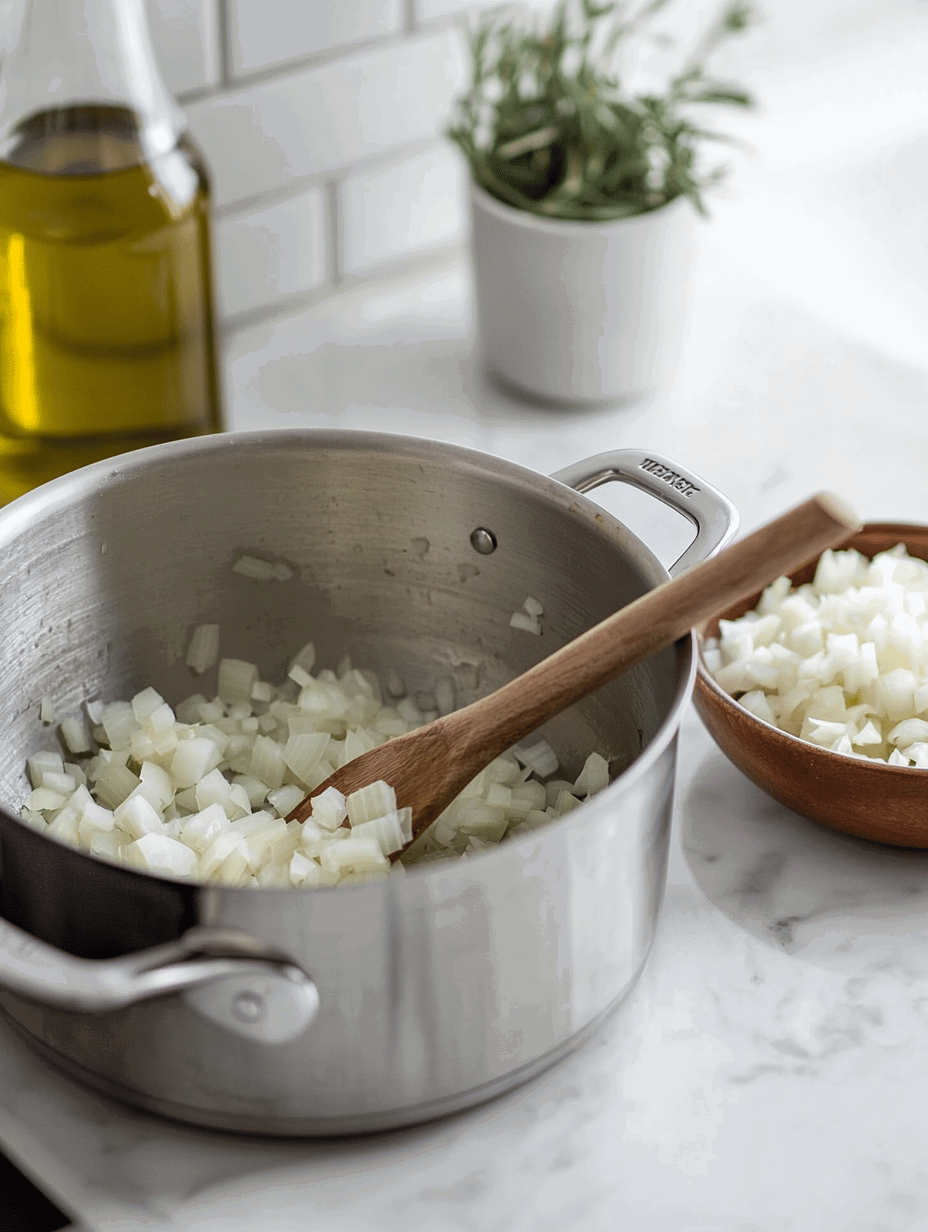
- While the squash roasts, heat the remaining olive oil in a large pot over medium heat. Add the diced onion and cook, stirring occasionally, until translucent and fragrant, about 5 minutes.
- Add the minced garlic and grated ginger to the pot and cook for another minute, until fragrant.
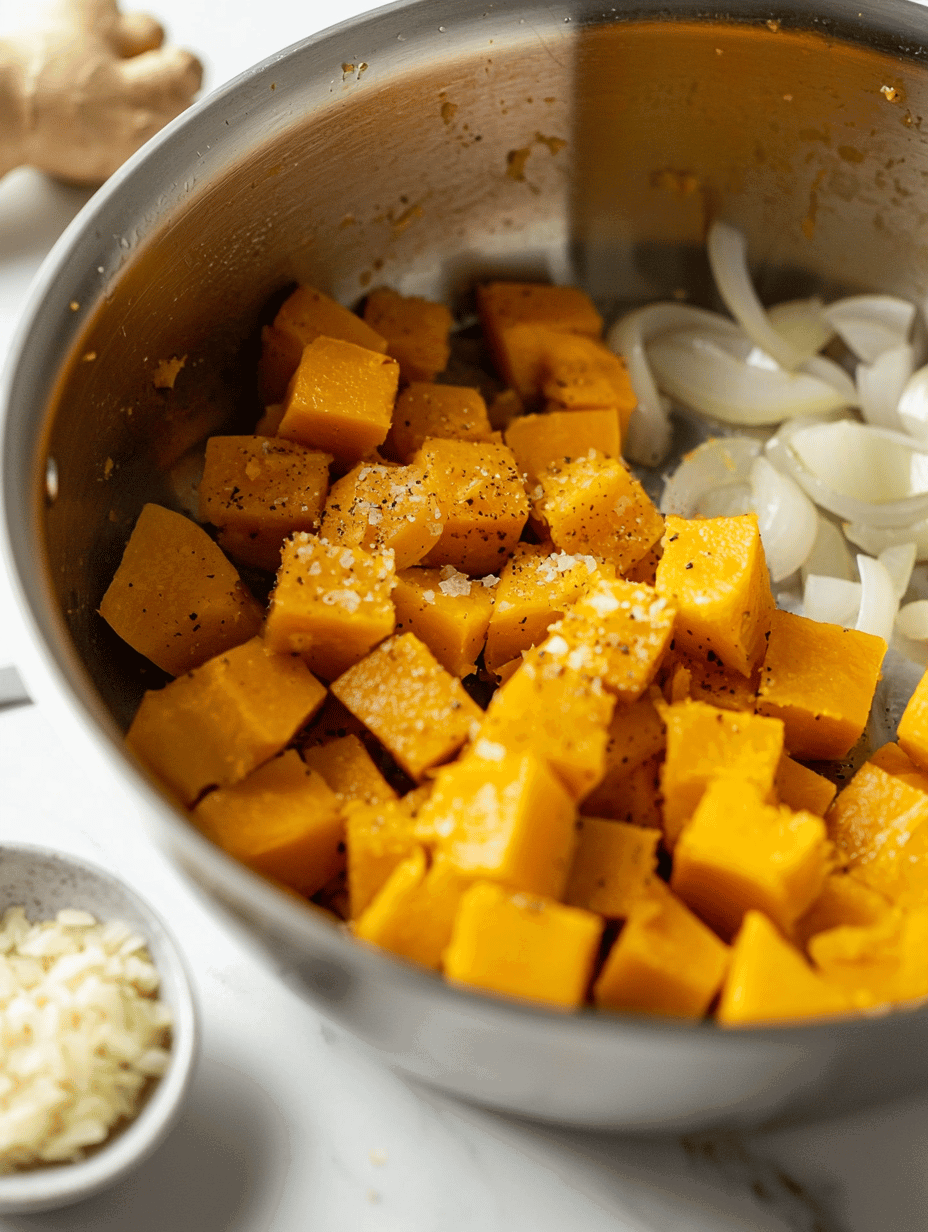
- Once the squash is roasted and cool enough to handle, add it to the pot. Pour in the vegetable broth and bring the mixture to a gentle simmer.
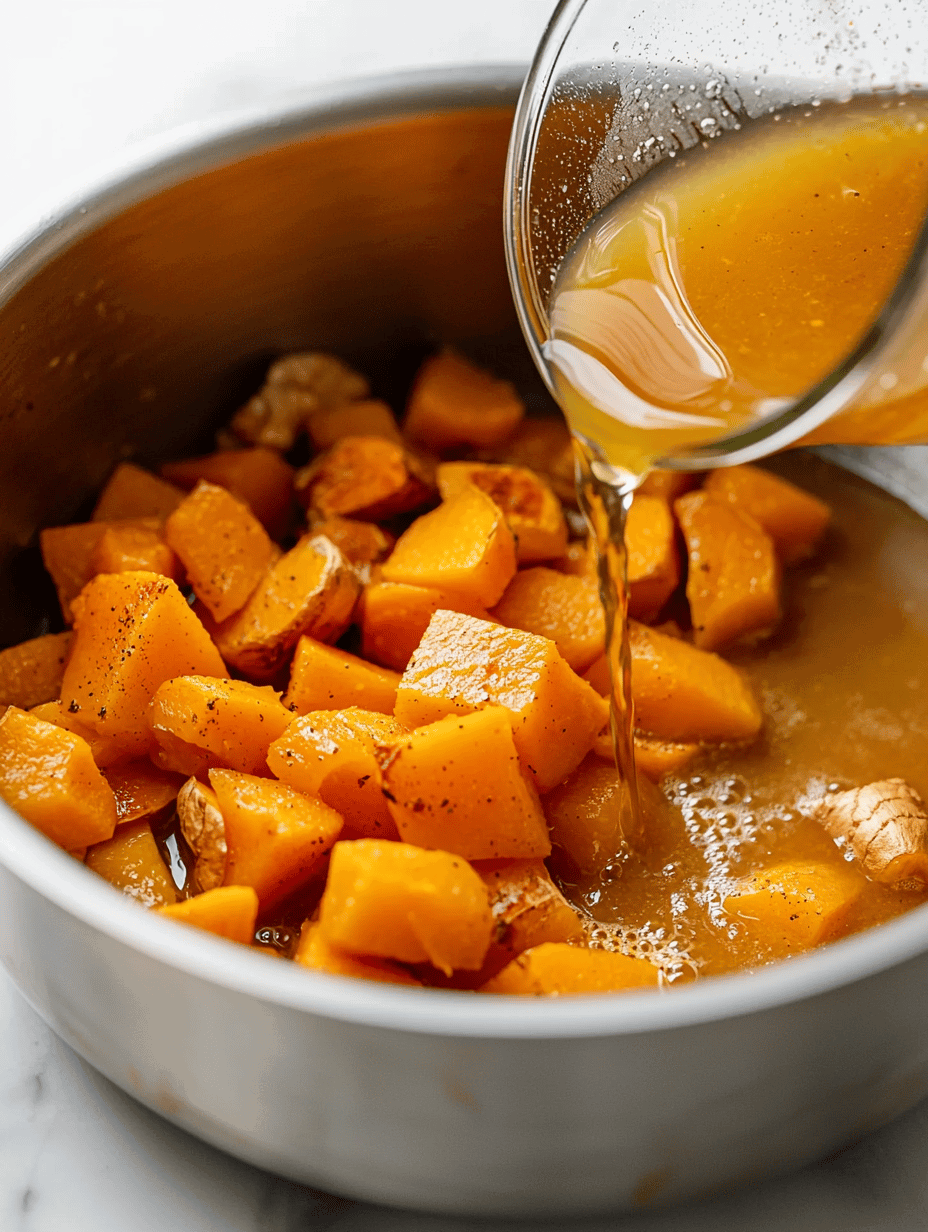
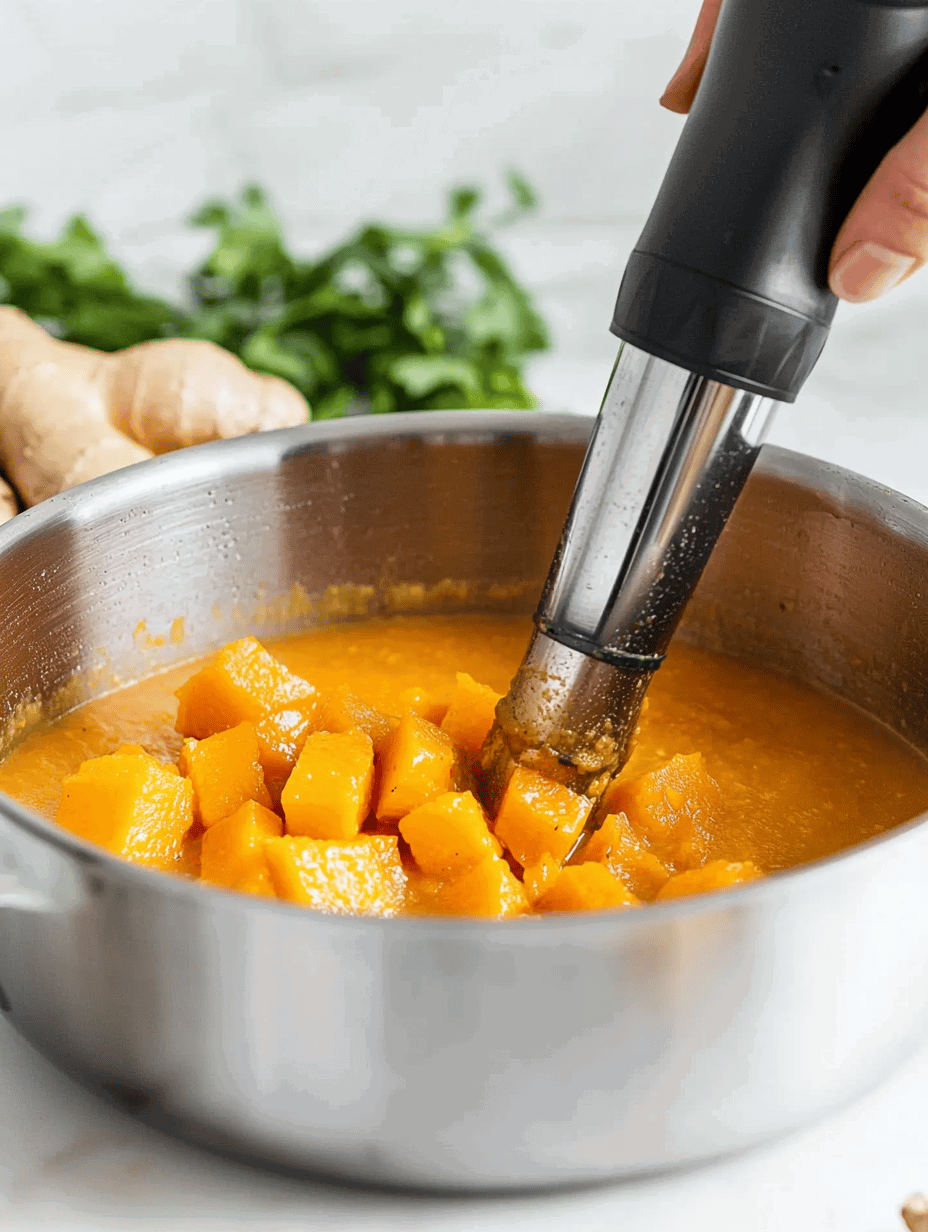
- Use an immersion blender to carefully blend the soup directly in the pot until smooth and velvety. Alternatively, transfer the mixture in batches to a blender and purée until silky.
- Return the blended soup to a gentle simmer, then stir in the coconut milk for added creaminess. Season with salt and pepper to taste, and add a squeeze of lemon juice if desired for brightness.
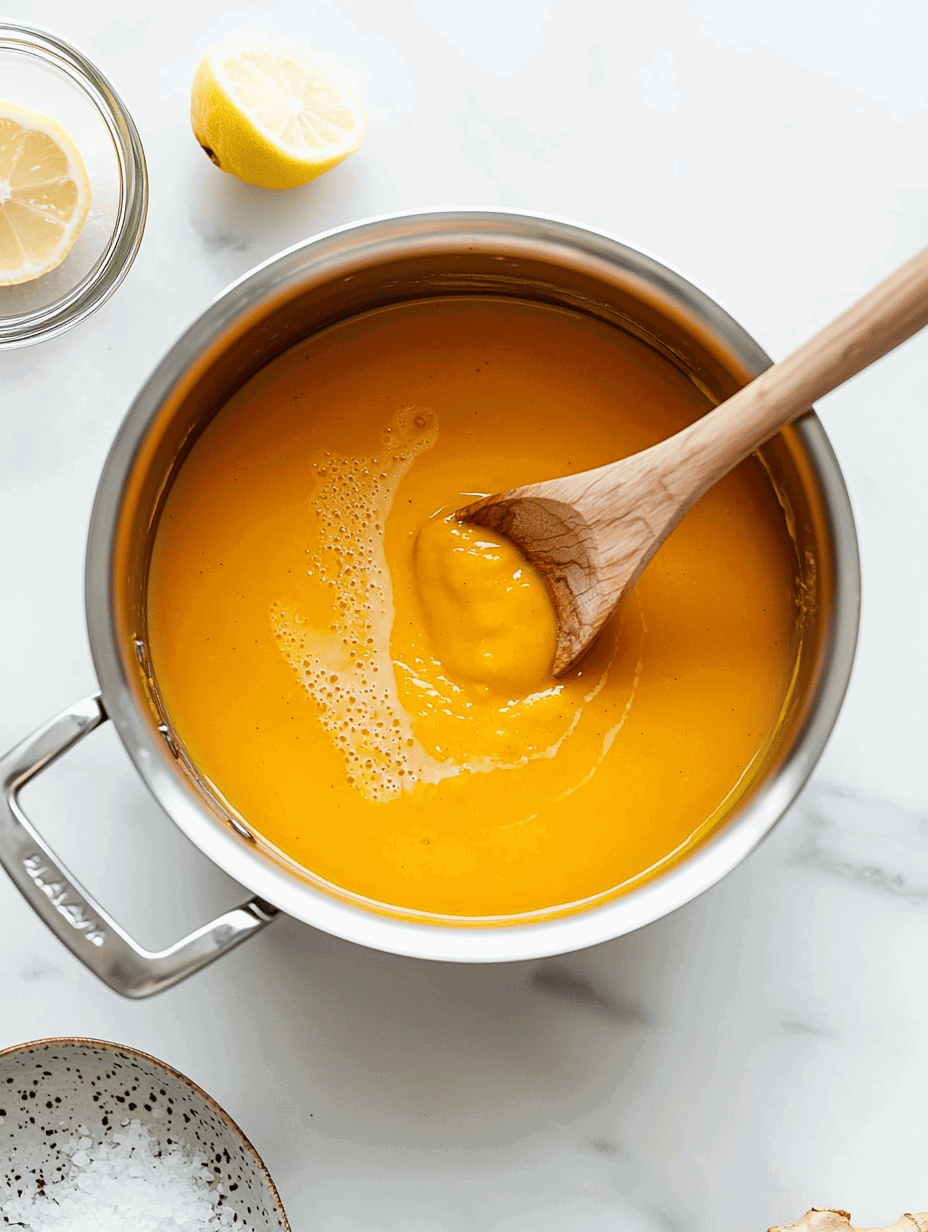
- Cook for another 5 minutes, stirring occasionally, until heated through and slightly thickened. Taste and adjust seasoning if needed.
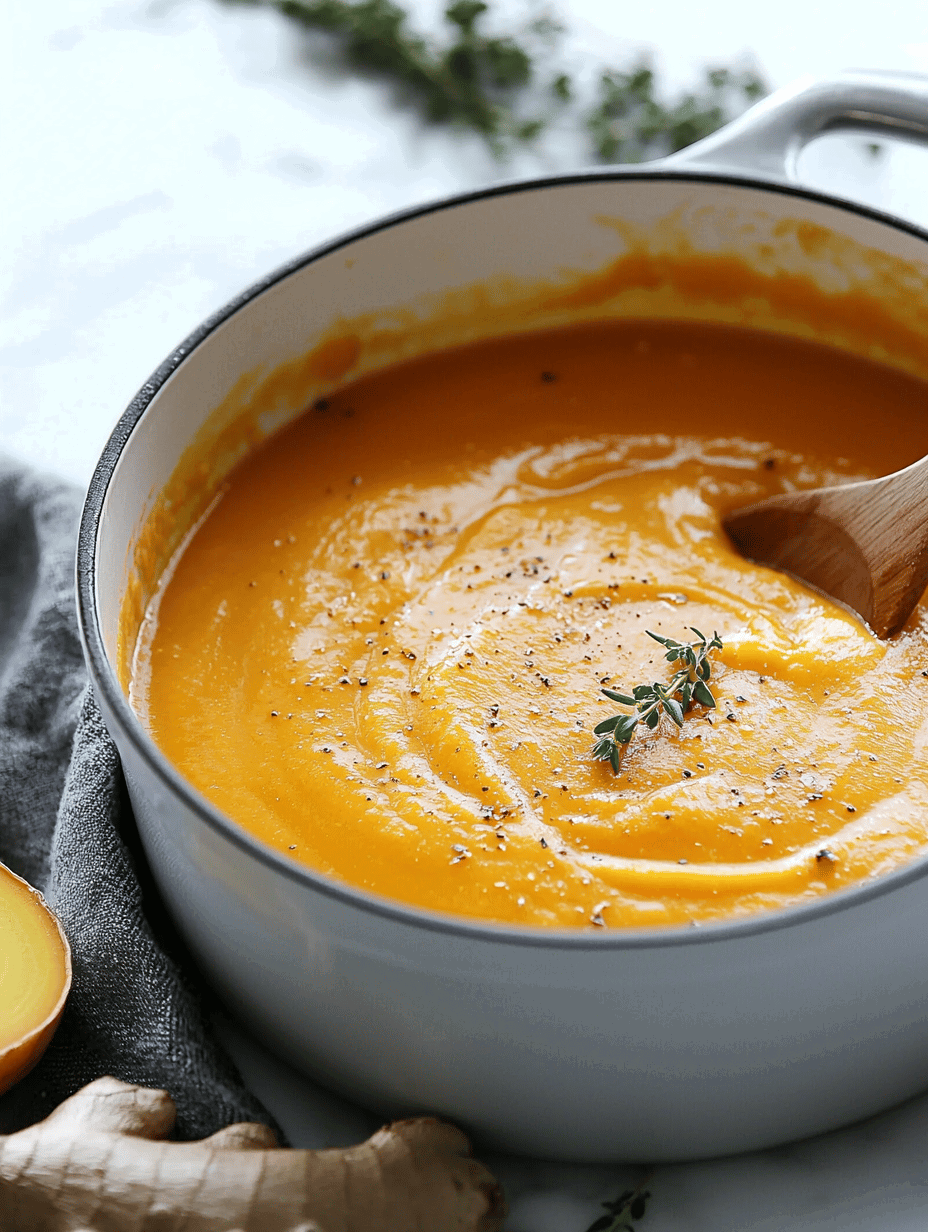
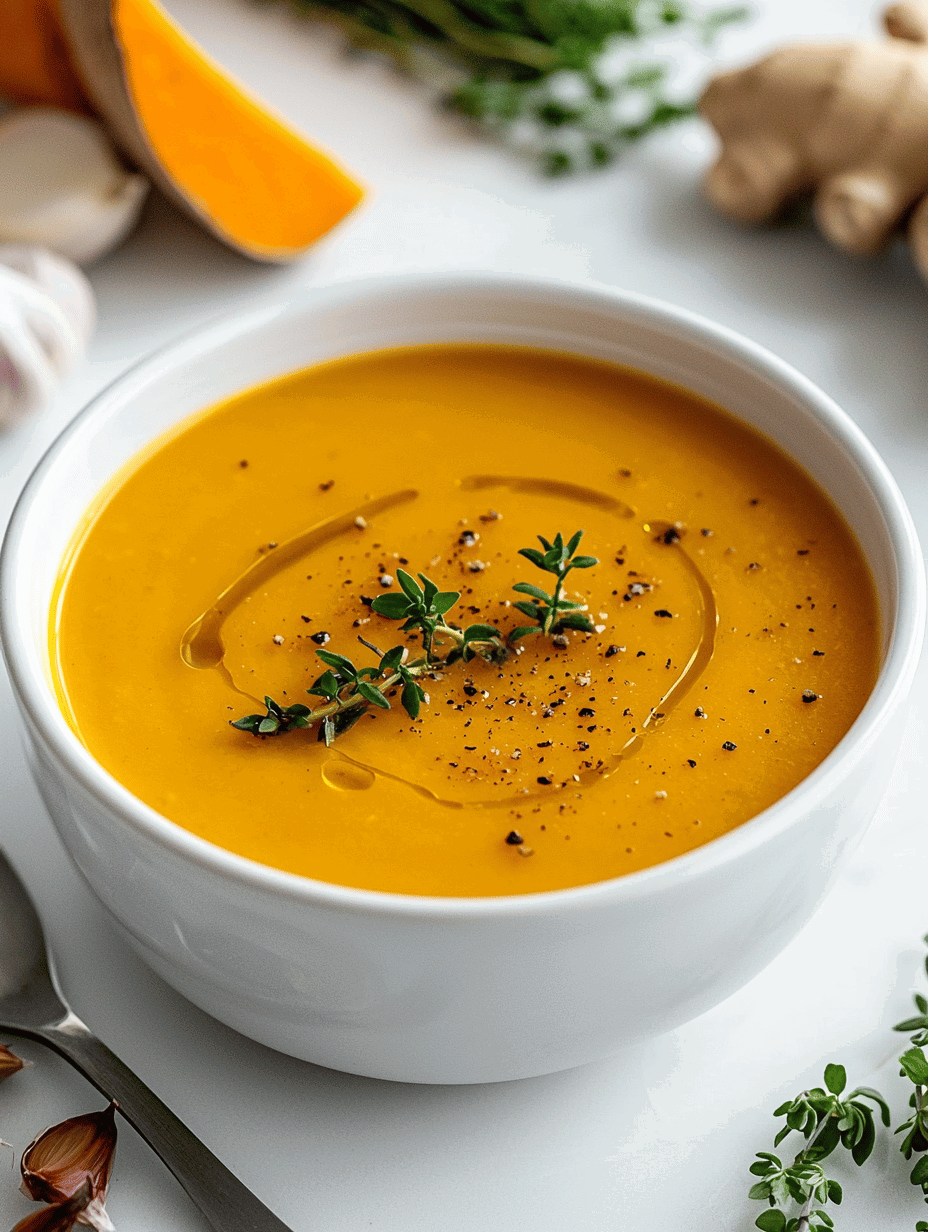
- Ladle the hot soup into bowls and serve garnished with a drizzle of olive oil or a few fresh herbs, if desired. Enjoy this rich, comforting dish with a warm slice of bread.
Notes
Nutrition Information
| Nutrient | Per Serving |
|---|---|
| Calories | 250 kcal |
| Carbohydrates | 34 g |
| Protein | 5 g |
| Fat | 12 g |
| Fiber | 7 g |
| Sugar | 8 g |
| Sodium | 480 mg |
Cooking Tips for Better Results
- Roast Until Golden: Slight browning on the squash adds more depth to the soup.
- Blend Carefully: Allow hot ingredients to cool slightly before transferring to a blender.
- Adjust Consistency: Add extra broth if you prefer a thinner soup.
- Season Gradually: Taste after blending and adjust salt and spices as needed.
- Use Fresh Ginger: Fresh ginger provides a cleaner flavor than dried ginger.
- Warm Before Serving: Gently reheat instead of boiling to maintain the smooth texture.
Creative Ways to Use Leftover Soup
- Pasta Sauce: Use a thicker portion as a sauce for pasta or ravioli.
- Grain Bowl Base: Spoon over cooked rice, quinoa, or roasted vegetables.
- Soup Starter: Add broth and extra vegetables to create a larger batch.
- Bread Dip: Serve smaller portions alongside toasted bread.
- Savory Oatmeal: Mix with cooked oats for a warm savory breakfast.
- Mashed Vegetable Side: Reduce slightly and serve alongside roasted meats or vegetables.
More Fall Recipes To Try
- Pumpkin Spice Granola Bars
- Pear And Cranberry Crumble
- Pumpkin Pie Crisp with Cinnamon Streusel
- Apple Cider Donut Cake
- Apple Crumble Pie
Storage Guide
| Method | Storage Time | Instructions |
|---|---|---|
| Refrigerator Storage | Up to 3 days | Store cooled soup in an airtight container. |
| Freezer Storage | Up to 3 months | Freeze in freezer-safe containers, leaving space for expansion. |
| Reheating | As needed | Warm gently on the stove over medium-low heat. |
| Thawing | Overnight | Transfer frozen soup to the refrigerator before reheating. |
| Freshness Tip | Before Serving | Stir well after reheating and adjust consistency with broth if needed. |
Frequently Asked Questions
- Can I make this soup without coconut milk?
Yes. The soup can be made without coconut milk and will still have a smooth texture after blending. - Can I use frozen butternut squash?
Yes. Frozen squash works well and can reduce preparation time. - How can I make the soup spicier?
Add cayenne pepper, smoked paprika, or extra ginger while seasoning. - Do I need to peel butternut squash before roasting?
Yes. For this recipe, peeling and cubing the squash helps it cook evenly and blend smoothly. - Can I use a regular blender instead of an immersion blender?
Yes. Blend the soup in small batches and be careful when handling hot liquid. - Why does my soup taste too sweet?
Butternut squash naturally has sweetness. Adding lemon juice, ginger, or extra seasoning can help balance it. - Can I make this soup ahead of time?
Yes. The flavors continue to develop after resting, making it a good option to prepare in advance. - What toppings work well with this soup?
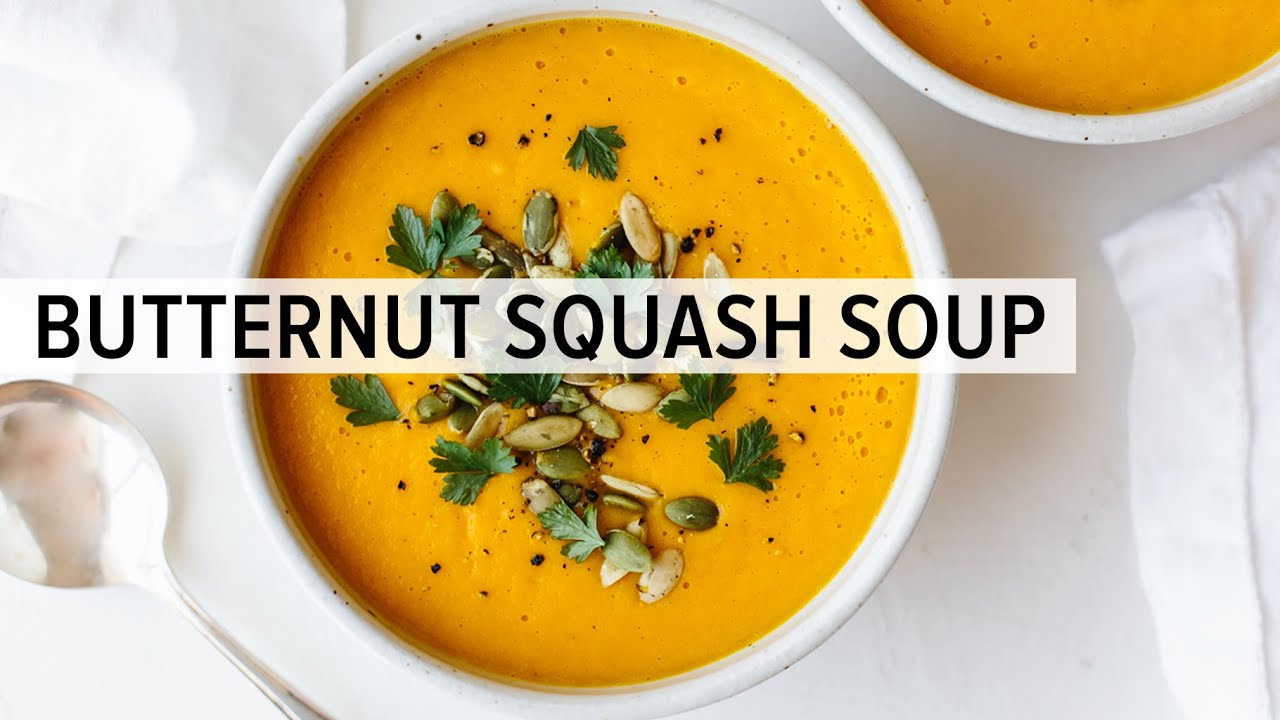
Fresh herbs, pumpkin seeds, roasted nuts, olive oil, or a swirl of coconut milk pair well with the soup.

hi there,
The Freshman Cook started as a place to keep track of recipes I wanted to make again. Somewhere along the way, it grew into a collection of meals that friends requested, desserts that disappeared too quickly, and weeknight dinners that made life a little easier.
know more