
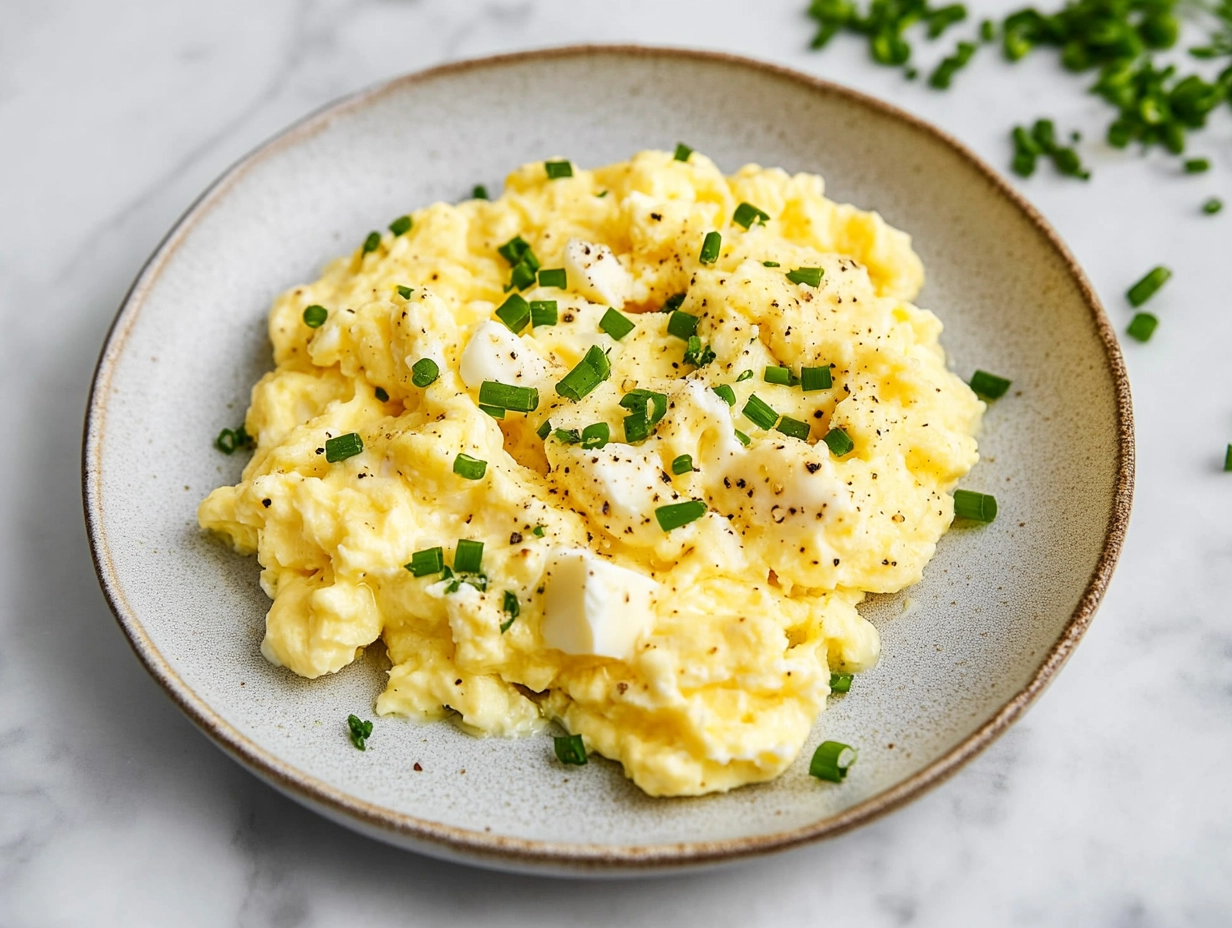

Scrambled eggs seem like one of the simplest breakfasts in the world, yet they are surprisingly easy to get wrong. Too much heat, not enough attention, or rushing the process can quickly turn them dry and rubbery.
This Gordon Ramsay style scrambled eggs recipe changes everything by focusing on technique rather than speed.
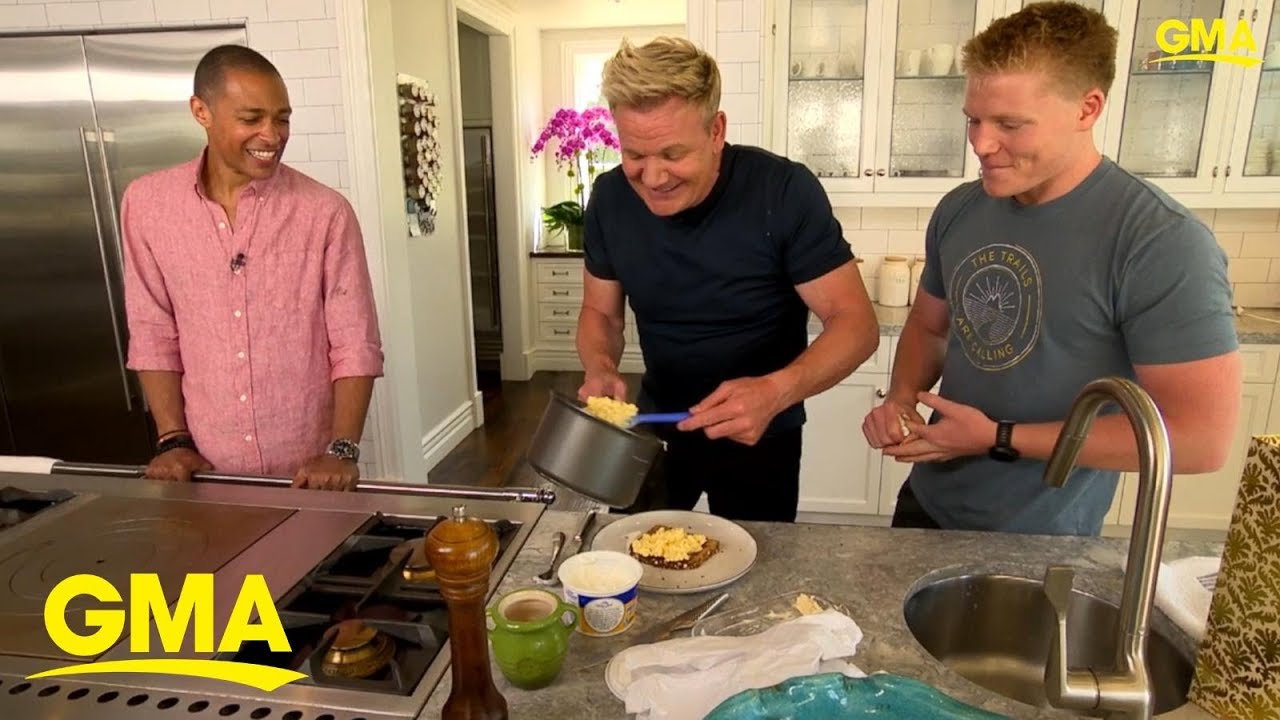
Instead of cooking the eggs quickly and walking away, this method asks you to stay present, stir constantly, and control the heat carefully.
The reward is a bowl of soft, creamy, custard-like scrambled eggs that feel comforting, indulgent, and restaurant-quality, even though they’re made with everyday ingredients.
Why This Recipe Feels Like Comfort Food?
There’s something incredibly soothing about making scrambled eggs this way.
- The constant stirring feels calming and almost meditative
- Watching the eggs slowly transform builds anticipation
- The texture is soft and luxurious without being heavy
- It turns a basic breakfast into a small moment of care
These eggs feel special not because they’re complicated, but because they’re made with intention.
The Personal Inspiration Behind This Recipe
Many people discover this method after being disappointed by scrambled eggs that never quite turn out right at home. This technique challenges the usual idea that eggs should be cooked fast and left alone. The first time you try it, it may feel like you’re doing too much or taking too long.
But once you see how gently the eggs thicken and how creamy they become, the process suddenly makes sense. It teaches patience, attention, and trust in the method, and once learned, it’s hard to go back.
What Makes Gordon Ramsay’s Scrambled Eggs Different
This recipe stands apart from traditional scrambled eggs in a few key ways.
- The heat is kept low and controlled
- The pan is moved on and off the stove
- The eggs are stirred constantly
- Seasoning is added at the end, not the beginning
Instead of forming large curds, the eggs stay soft and silky, creating a smooth, spoonable texture that melts in your mouth.
Ingredients Overview
This recipe proves that you don’t need many ingredients to create something exceptional. Each ingredient plays a specific role in texture and flavor, and nothing is added without purpose.
The focus here is on quality eggs, gentle heat, and a bit of fat to protect the eggs as they cook.
Ingredient Breakdown

Eggs
Eggs are the foundation of this recipe. Using fresh eggs helps achieve a richer flavor and smoother texture. Room-temperature eggs cook more evenly.
Butter
Butter adds richness and helps prevent the eggs from sticking or drying out. It also contributes to the glossy finish.
Salt
Salt enhances flavor, but it’s added at the end to avoid pulling moisture out of the eggs too early.
Black Pepper
Freshly ground pepper adds subtle warmth without overpowering the eggs.
Crème Fraîche or Cream (Optional)
This is stirred in at the end to stop the cooking process and add extra creaminess.
Chives (Optional)
Chives add a fresh, mild onion note and a pop of color.
Spotlight on Eggs and Butter
Eggs
Eggs are sensitive to heat. This method respects that by cooking them slowly and gently, allowing proteins to set without tightening too quickly.
Butter
Butter acts as both a flavor enhancer and a temperature buffer, helping the eggs cook evenly while staying tender.
Together, these two ingredients create the signature soft, custardy texture.
Smart Substitutions and Variations
This recipe is flexible and easy to adapt.
- Use olive oil instead of butter for a dairy-free version
- Stir in mascarpone or cream cheese for extra richness
- Add fresh herbs like dill, parsley, or tarragon
- Finish with a pinch of smoked paprika or chili flakes for heat
The technique stays the same even when flavors change.
Equipment You’ll Need
Having the right tools makes this process smoother.
- Non-stick skillet
- Silicone or rubber spatula
- Bowl or jug for eggs
- Fork or whisk
- Serving plate
A good non-stick pan is especially important for this method.
Step by Step Method
- Crack the eggs into a bowl and lightly beat them with a fork
- Place a non-stick pan over medium-low heat
- Add the butter and let it melt gently
- Pour the eggs into the pan
- Stir constantly, scraping the bottom of the pan
- After about 30 seconds, remove the pan from the heat and continue stirring
- Return the pan to the heat and repeat this on-off process
- Continue until the eggs are softly thickened but still glossy
- Season with salt and pepper
- Remove from heat and stir in crème fraîche if using
How to Know the Eggs Are Done
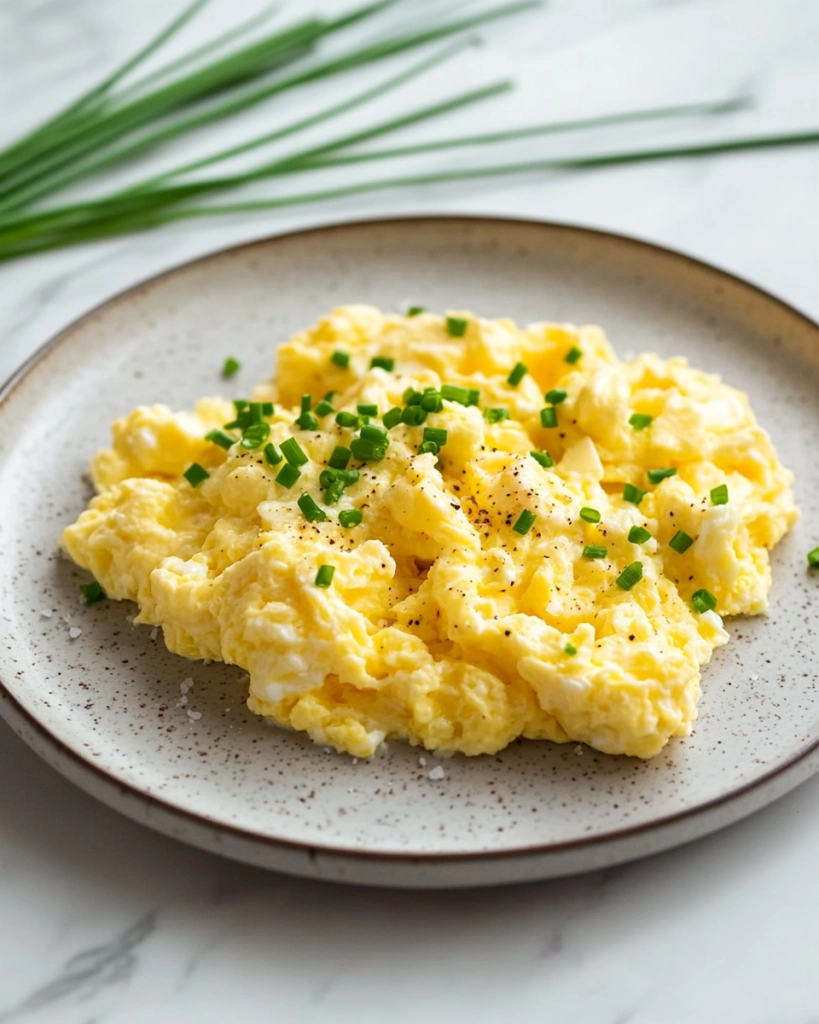
Perfect scrambled eggs should:
- Look glossy and soft
- Hold their shape gently
- Have no browned or dry spots
- Feel creamy rather than firm
If they look slightly underdone in the pan, they’re usually perfect by the time they reach the plate.
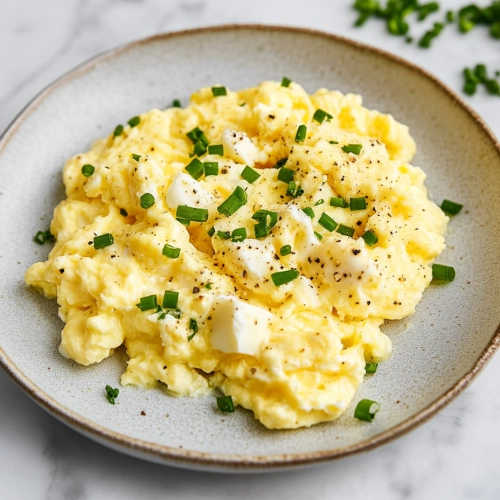
Gordon Ramsay Perfect Scrambled Eggs Recipe
Equipment
- Non-stick skillet
- Silicone or rubber spatula
- Bowl or jug for eggs
- Fork or whisk
- Serving plate
Ingredients
- 6 large eggs
- 1 tablespoon butter
- Salt to taste
- Black pepper to taste
- 1-2 tablespoons crème fraîche or cream optional
- Fresh chives chopped (optional)
Instructions
- Crack the eggs into a bowl and lightly beat them with a fork
- Place a non-stick pan over medium-low heat
- Add the butter and let it melt gently
- Pour the eggs into the pan
- Stir constantly, scraping the bottom of the pan
- After about 30 seconds, remove the pan from the heat and continue stirring
- Return the pan to the heat and repeat this on-off process
- Continue until the eggs are softly thickened but still glossy
- Season with salt and pepper
- Remove from heat and stir in crème fraîche if using
Tips and Tricks for Best Results
- Keep the heat low at all times
- Never stop stirring
- Remove the pan from heat often
- Finish the eggs off the stove
- Serve immediately for best texture
Common Mistakes and How to Fix Them
Eggs turned rubbery
The heat was too high. Lower it and slow down.
Eggs are too runny
They needed a few more seconds of gentle heat.
Eggs stuck to the pan
Use a non-stick pan and enough butter.
Flavor feels flat
Season at the end and finish with fresh herbs.
What to Serve With Gordon Ramsay’s Perfect Scrambled Eggs
Make-Ahead and Storage Tips
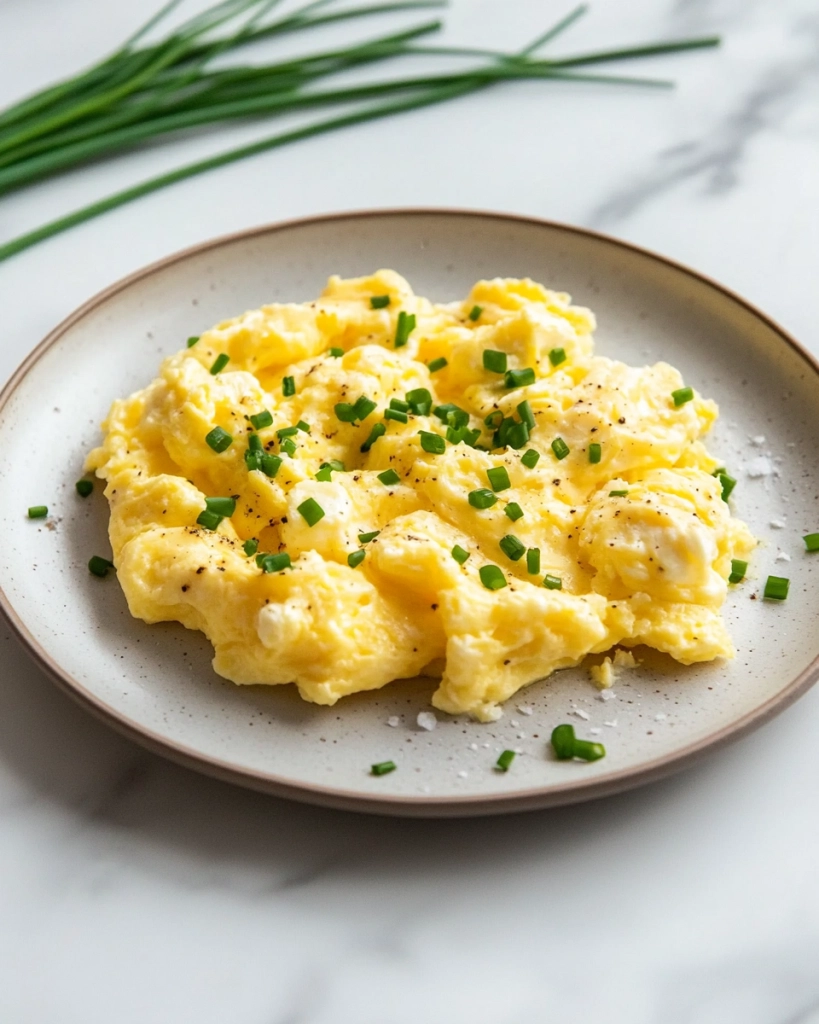
- Eggs can be cracked and beaten up to 30 minutes ahead
- Store leftovers in an airtight container for up to 2 days
- Reheat gently over low heat with a splash of cream
- Avoid microwaving, as it ruins the texture
Frequently Asked Questions
1. Why are Gordon Ramsay’s scrambled eggs so creamy?
They’re cooked over low heat with constant stirring and finished off the heat, which prevents the eggs from tightening and drying out.
2. Do I really need to keep stirring the eggs the entire time?
Yes. Constant stirring ensures even cooking and creates soft, custard-like curds instead of large, dry chunks.
3. Can I make these scrambled eggs without butter?
Yes, you can use olive oil, but butter gives the eggs their signature richness and smooth texture.
4. When should I add salt to scrambled eggs?
Salt should be added near the end of cooking to avoid drawing moisture out of the eggs too early.
5. Is crème fraîche necessary for this recipe?
No, it’s optional. Crème fraîche helps stop the cooking process and adds extra creaminess, but the eggs are still excellent without it.
6. Can I use milk instead of cream or crème fraîche?
You can, but milk won’t give the same rich, silky finish as cream or crème fraîche.
7. Why do you take the pan on and off the heat?
This technique gives you full control over the temperature and prevents the eggs from overcooking.
8. What’s the best pan to use for scrambled eggs?
A good-quality non-stick pan is ideal, as it prevents sticking and allows smooth stirring.
9. Can I reheat scrambled eggs made this way?
Yes, but reheat gently over low heat with a splash of cream or milk. Avoid microwaving.
10. Can I add cheese or herbs to this recipe?
Absolutely. Add cheese or herbs at the very end so they blend in smoothly without affecting texture.

hi there,
The Freshman Cook started as a place to keep track of recipes I wanted to make again. Somewhere along the way, it grew into a collection of meals that friends requested, desserts that disappeared too quickly, and weeknight dinners that made life a little easier.
know more