
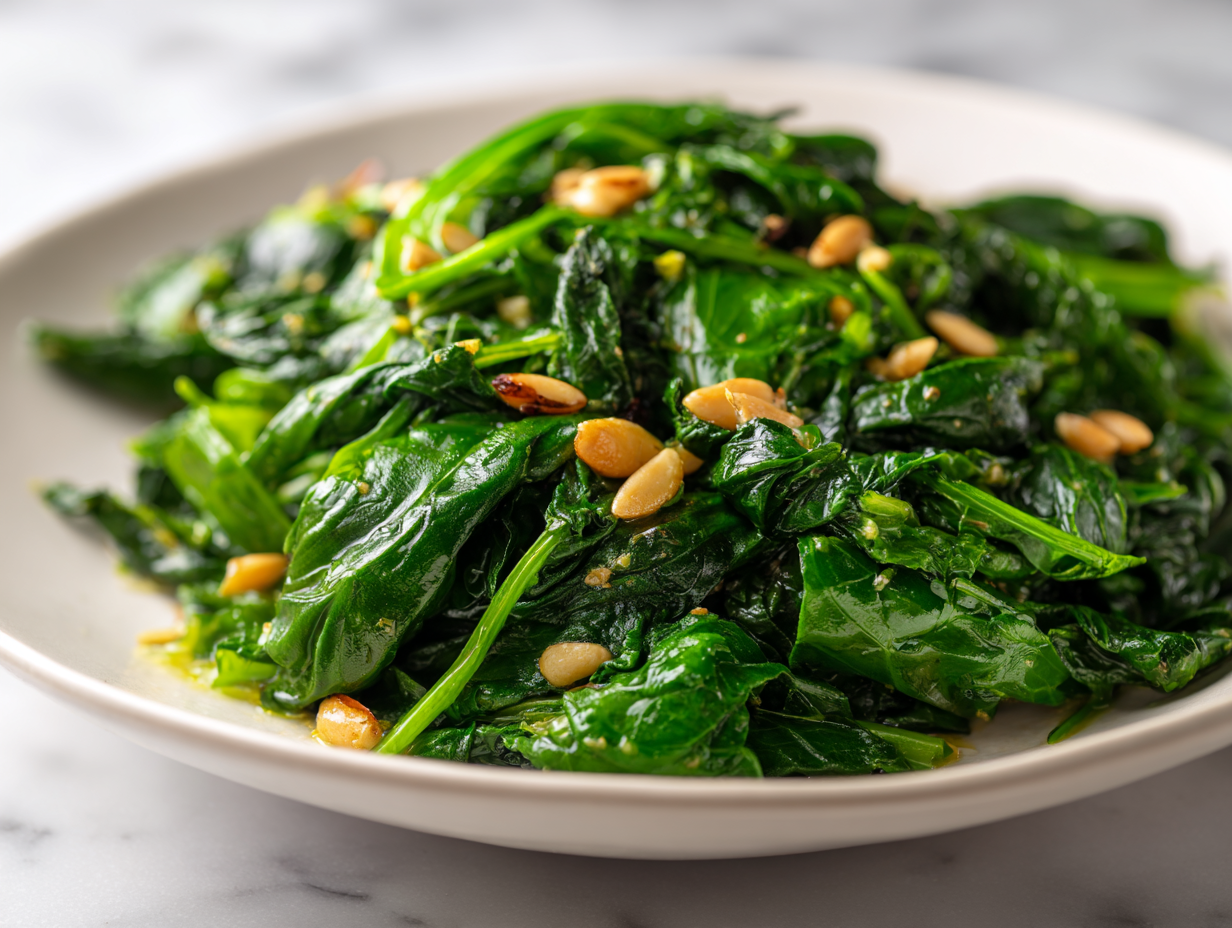

Spring greens often get overshadowed by their more glamorous counterparts, but I find their wild, slightly bitter edge brings a real spark to the table. This sauté isn’t about fuss or fancy ingredients; it’s about celebrating what’s free for the taking — those tender, often overlooked leaves that pop up in the woods and backyards this time of year.
There’s something almost rebellious about foraging for these greens, then tossing them quickly in a hot pan with a splash of olive oil and a pinch of salt. The aroma alone, a blend of fresh earth and a whisper of smoky char, makes me feel connected to the season’s raw, unpolished beauty. It’s simple, honest food that reminds me of early mornings and wild spaces, all in a single bite.
Focusing on the overlooked beauty of wild, foraged spring greens and how their unique textures and flavors can be elevated through simple sautéing, transforming them into a celebration of seasonal abundance that feels both rustic and refined.
The story behind this recipe
One spring morning, I wandered into a neighborhood park, eyes peeled for those tender wild greens that pop up just as the season shifts. I remember the way the leaves shimmered in the early light, slightly dewy and bursting with life. That day, I realized how rarely we pause to appreciate these humble, fleeting bits of greenery—yet they carry such wild, fresh flavor. This sauté is my way of honoring that small, beautiful discovery, turning it into something nourishing and simple, yet profoundly connected to the season. It’s a reminder that some of the best ingredients are free and right outside our door, waiting to be celebrated.
Ingredient breakdown: key components
- Spring greens: I love the wild, slightly bitter edge they bring, especially when I gather them fresh from my yard. If you can’t find wild ones, baby spinach or arugula work well, but try to find something with a bit of personality.
- Garlic: I crush mine just before adding, releasing that fragrant, pungent aroma that wakes up the greens. If you’re sensitive to raw garlic, a quick sauté softens the bite, but don’t skip it entirely.
- Olive oil: I use a good, fruity extra virgin that adds a subtle grassy note and helps the greens shimmer. For a nuttier twist, try toasted sesame oil at the end—just a splash.
- Lemon juice: Brightens everything instantly. I squeeze fresh right before serving, aiming for that zesty, zingy burst that cuts through the greens’ earthiness. A splash of vinegar can do the same if lemons aren’t handy.
- Salt and pepper: I season liberally — the salt brings out the greens’ natural flavor, while freshly cracked pepper adds a gentle spice. Taste as you go; these greens are delicate but can handle a bit of seasoning.
- Optional chili flakes: I love a pinch of heat to contrast the greens’ bitterness. Add at the end, so the spice stays lively and fresh.
- Nuts or seeds: Toasted pine nuts or sunflower seeds add crunch and a nutty richness. I sprinkle them on just before serving to keep their texture crisp.
Spotlight on key ingredients
Wild spring greens:
- Spring greens: I love their wild, slightly bitter edge, especially when fresh from the yard. They add a punch of earthiness that’s hard to replicate with store-bought greens.
- They behave unpredictably in the pan—wilt quickly, release water, and turn a vibrant green. Their texture can be tender or slightly chewy, depending on maturity.
Garlic:
- I crush mine right before adding, releasing that pungent, fragrant aroma that fills the kitchen. It softens quickly, adding depth without overpowering.
- During sautéing, garlic becomes sweet and mellow if cooked gently; if burnt, it turns bitter fast. Watch the heat carefully to keep the aroma bright and inviting.
Notes for ingredient swaps
- Fresh wild greens: I prefer foraged or backyard greens for a slightly bitter, earthy punch. Swap with baby spinach or arugula if wild isn’t available, but aim for something with a bit of personality.
- Garlic: I crush mine right before adding, releasing a pungent, fragrant aroma. If you’re sensitive, lightly sauté it first; don’t skip it, though – it’s the backbone of flavor.
- Olive oil: I love using a fruity extra virgin for that grassy, rich note. For a nuttier flavor, try toasted sesame oil at the end—just a splash to keep it bright.
- Lemon juice: Brightens the whole dish with zesty freshness. Use fresh lemon for that juicy, zingy hit, or swap with a splash of vinegar if lemons are scarce.
- Salt and pepper: I season generously—salt to bring out the greens’ natural bitterness, pepper for a gentle spice. Taste as you go; these greens can handle a good amount.
- Chili flakes: I add a pinch at the end to contrast the earthiness with a lively heat. Adjust to your spice tolerance, but don’t skip this step for extra punch.
- Nuts or seeds: Toasted pine nuts or sunflower seeds add crunch and a nutty richness. Sprinkle on just before serving to keep their texture crisp.
Equipment & Tools
- Large skillet: To quickly sauté greens evenly over high heat.
- Wooden spoon or spatula: For stirring and turning greens without damaging delicate leaves.
- Small bowl: To hold minced garlic and measure lemon juice.
- Knife and chopping board: To prep greens and garlic efficiently.
Step-by-step guide to sautéing greens
- Gather all your greens—wild or supermarket, about 4 cups total—rinse thoroughly under cold water, then roughly chop. Keep handy.
- Prepare your equipment: a large skillet (preferably non-stick), a wooden spoon or spatula, and a small bowl for garlic and lemon.
- Heat the skillet over medium-high heat (~200°C / 390°F). Add 2 tablespoons of good olive oil, swirling to coat the pan evenly.
- Once the oil shimmers and just begins to smoke slightly (about 30 seconds), add 3 minced garlic cloves. Cook, stirring constantly, until fragrant—about 30 seconds. Do not let it burn.
- Add the greens in batches if needed, pressing down with your spatula. Cook, stirring frequently, until they wilt and turn vibrant green—about 2 minutes. Greens should be tender yet retain some bite.
- If greens release excess water, increase heat slightly to evaporate moisture, about 1 minute. If they seem dry, splash a teaspoon more oil or a splash of water to help them cook evenly.
- Finish with a squeeze of lemon juice (about 1 tablespoon), a pinch of salt, and freshly cracked black pepper. Stir well to combine. If using chili flakes, add now for a lively kick.
- Taste and adjust seasoning. The greens should be bright, slightly smoky, and have a tender-crisp texture—no sliminess or raw garlic scent.
- Remove from heat. Let rest for a minute to settle flavors. Plate immediately, garnished with toasted nuts or seeds if desired.
- Serve warm as a side or over crusty bread for a quick, seasonally fresh meal.
Serve immediately while the greens are warm. For best flavor, sprinkle with toasted seeds or nuts just before plating. A quick squeeze of lemon adds freshness to the dish.
How to Know It’s Done
- Greens are wilted but still vibrant in color.
- Aromas of garlic and smoky oil fill the air without burnt notes.
- Lemon juice adds a bright, zingy scent and taste, with greens slightly shimmering.

Sautéed Wild Spring Greens
Equipment
- Large skillet
- Wooden Spoon or Spatula
- Small Bowl
- Knife and chopping board
Ingredients
- 4 cups spring greens wild or fresh store-bought greens
- 3 cloves garlic minced just before adding
- 2 tablespoons olive oil good quality extra virgin
- 1 tablespoon lemon juice freshly squeezed
- to taste salt preferably coarse or flaky
- to taste black pepper freshly cracked
- a pinch chili flakes optional, for heat
- a handful toasted nuts or seeds pine nuts or sunflower seeds, optional
Instructions
- Rinse the greens thoroughly under cold water, then roughly chop them and set aside.
- Prepare your equipment: a large skillet, a wooden spoon or spatula, a small bowl for garlic and lemon, and your knife and chopping board.
- Heat the skillet over medium-high heat until hot, then add the olive oil, swirling to coat the bottom of the pan.
- Add the minced garlic to the hot oil and cook, stirring constantly, until fragrant—about 30 seconds—until you smell that sweet, pungent aroma and see the garlic turn slightly golden.
- Immediately add the greens in batches if necessary, pressing them down with your spatula, and cook, stirring frequently, until they wilt and turn vibrant green—about 2 minutes.
- If excess water is released, increase the heat slightly to evaporate it, about 1 minute, until the greens look glossy and tender.
- Squeeze the fresh lemon juice over the greens, add a generous pinch of salt, freshly cracked pepper, and chili flakes if using. Stir well to combine and let the flavors meld for about 30 seconds.
- Taste the greens and adjust seasoning as needed, aiming for a bright, earthy flavor with a slightly smoky aroma.
- Remove the skillet from heat, sprinkle with toasted nuts or seeds if desired, and serve immediately while warm.
Pro tips for perfect sautéed greens
- Use high heat to quickly wilt greens, locking in color and flavor.
- Add garlic just as the oil shimmers for a fragrant, punchy aroma without burning.
- Toss greens in batches if crowded, to ensure even cooking and vibrant color.
- Finish with a splash of lemon juice off the heat to brighten and enhance the earthy greens.
- Toast nuts or seeds separately to boost their crunch and nutty aroma before sprinkling on.
- Keep an eye on garlic; remove from heat as soon as it turns fragrant to avoid bitterness.
- Adjust seasoning carefully—taste for salt and acidity before serving to balance the bitterness.
Common mistakes and how to fix them
- FORGOT to adjust heat after greens wilt—do so to prevent burning.
- DUMPED greens in a crowded pan—use batches for even cooking and color.
- OVER-TORCHED garlic—remove from heat sooner to avoid bitterness.
- MISSED to taste and adjust seasoning—always check for salt and acidity before serving.
Quick Fixes for Common Issues
- If greens are wilted, splash with cold water and refresh in the fridge for 5 minutes.
- When garlic burns, remove from heat immediately and add a splash of water to stop cooking.
- Splash a bit of soy sauce or balsamic vinegar if the greens lack depth or brightness.
- Patch over overcooked greens with a squeeze of lemon and a sprinkle of fresh herbs.
- Shield from sticking by using a non-stick pan or adding a little more oil if greens stick to the pan.
Prep, store, and reheat tips
- Chop greens and garlic the day before; store in airtight container in fridge, where they stay fresh for up to 2 days. Expect greens to slightly wilt but retain their vibrant color.
- Keep prepped greens dry to prevent sogginess; use a paper towel inside the container to absorb excess moisture.
- Reheat greens gently in a hot pan with a splash of water or oil, just until warmed through—watch for slight shimmer and tender texture, not limp or slimy.
- Cooked greens are best enjoyed within 1 day for optimal flavor and texture. After that, their earthiness dulls and they become more wilted.
- For leftovers, reheat on low heat, stirring frequently. Expect a softer, slightly more muted flavor, and the aroma of garlic and oil to mellow but remain inviting.
Top questions about vegan spring greens sauté
1. Can I use store-bought greens instead of foraged?
Use fresh, young greens like wild leaves or baby spinach for a tender bite and bright flavor. Older greens can be tougher and more bitter, so choose wisely.
2. How do I prevent garlic from burning during sautéing?
Mince garlic finely and add it to hot oil just until fragrant—about 30 seconds—so it releases aroma without burning and turning bitter.
3. What temperature should I cook the greens at?
High heat (around 200°C / 390°F) helps greens wilt quickly and evenly, locking in color and flavor. Keep stirring to avoid sticking or burning.
4. When should I add lemon or vinegar?
Squeeze fresh lemon juice at the end for a zingy bright flavor that contrasts the earthiness. A splash of vinegar works as a good substitute.
5. Should I cook all greens at once or in batches?
Add greens in batches if your pan is crowded; this ensures even cooking and vibrant color instead of soggy, overcooked leaves.
6. How do I store cooked greens?
To keep greens crisp and fresh, store chopped greens in an airtight container with a paper towel in the fridge, and reheat gently with a splash of water.
7. When should I add chili flakes?
Add a pinch of chili flakes at the end for a lively kick. Adjust according to your spice tolerance, but don’t skip it for extra dimension.
8. Can I add nuts or seeds?
Toss toasted nuts or seeds—like pine nuts or sunflower seeds—just before serving to keep their crunch and nutty aroma.
9. What if my greens turn slimy or mushy?
If greens are slimy or overcooked, splash them with cold water and refresh briefly in the fridge, then reheat softly for better texture.
10. How do I know the greens are seasoned properly?
Always taste and adjust seasoning—salt, pepper, acidity—before serving to balance the earthy bitterness and enhance freshness.
This sauté is a reminder that sometimes the simplest ingredients, like wild greens and garlic, can come together in a way that feels both wild and familiar. It’s a dish that celebrates the fleeting abundance of spring, and the joy of turning foraged finds into something nourishing and real.
In a world obsessed with complexity, these greens ask for nothing more than a quick toss in hot oil and a splash of lemon—easy, honest, and seasonally fitting. It’s a small act of appreciation for the wild, a way to connect with the fleeting beauty outside our doors, even in the busiest days.

hi there,
The Freshman Cook started as a place to keep track of recipes I wanted to make again. Somewhere along the way, it grew into a collection of meals that friends requested, desserts that disappeared too quickly, and weeknight dinners that made life a little easier.
know more