

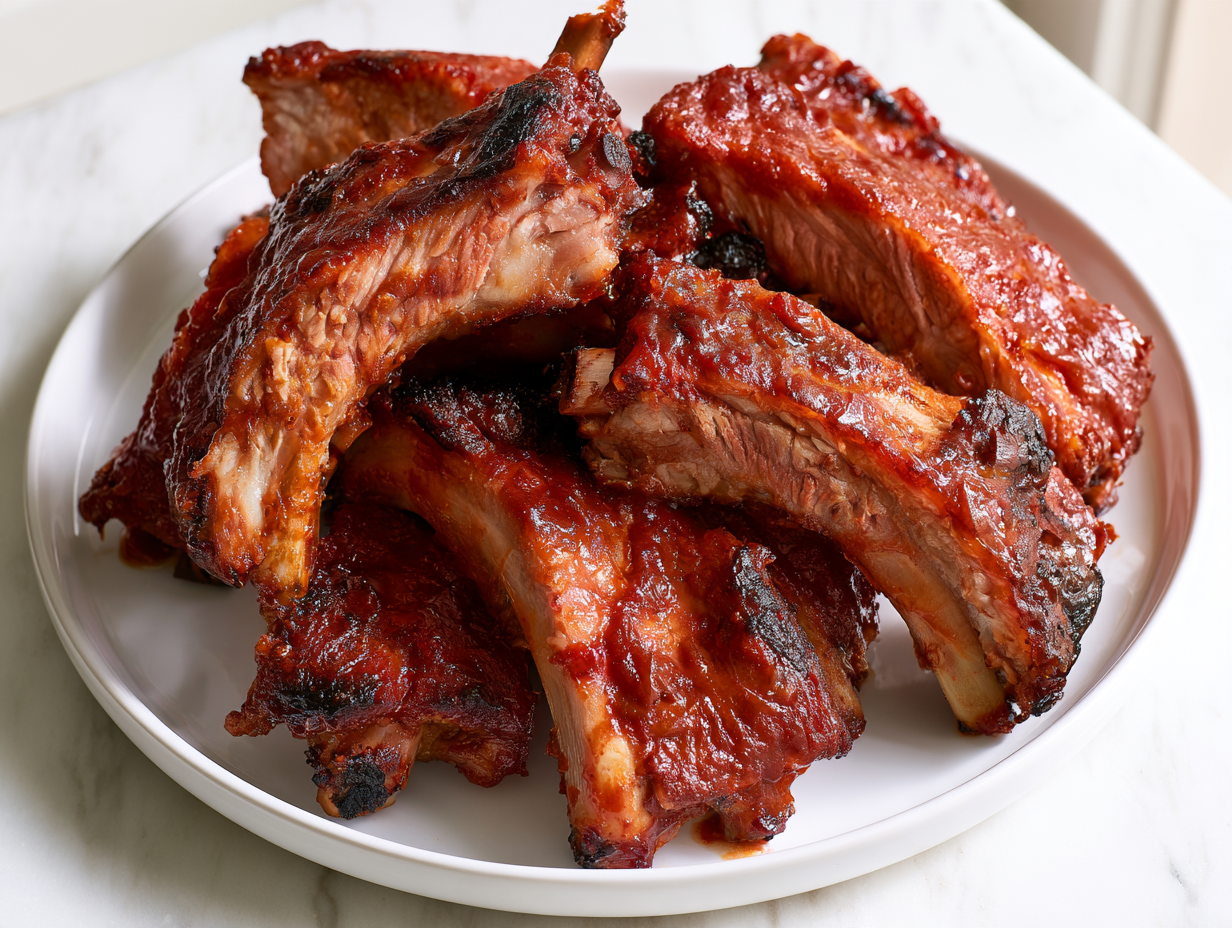

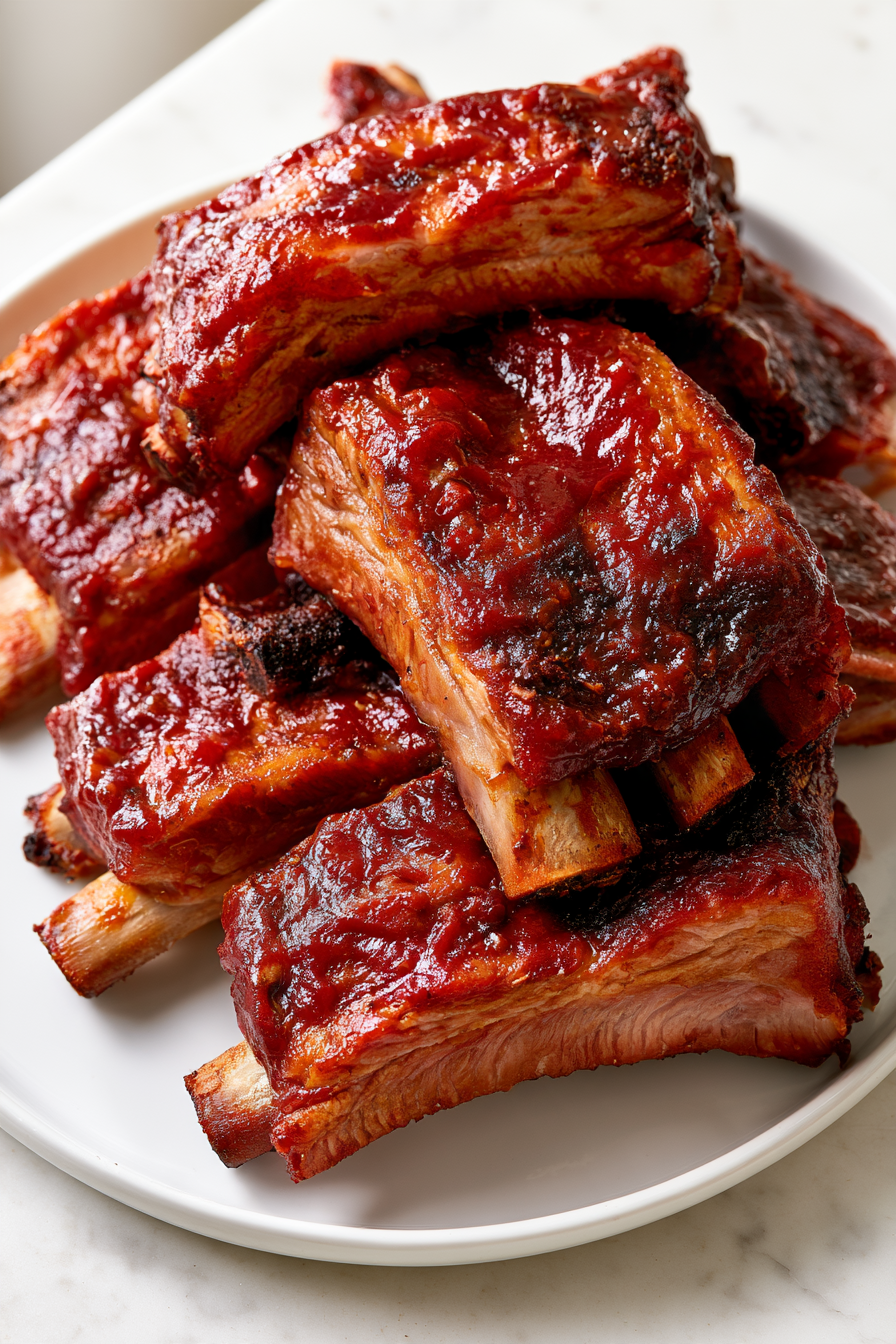
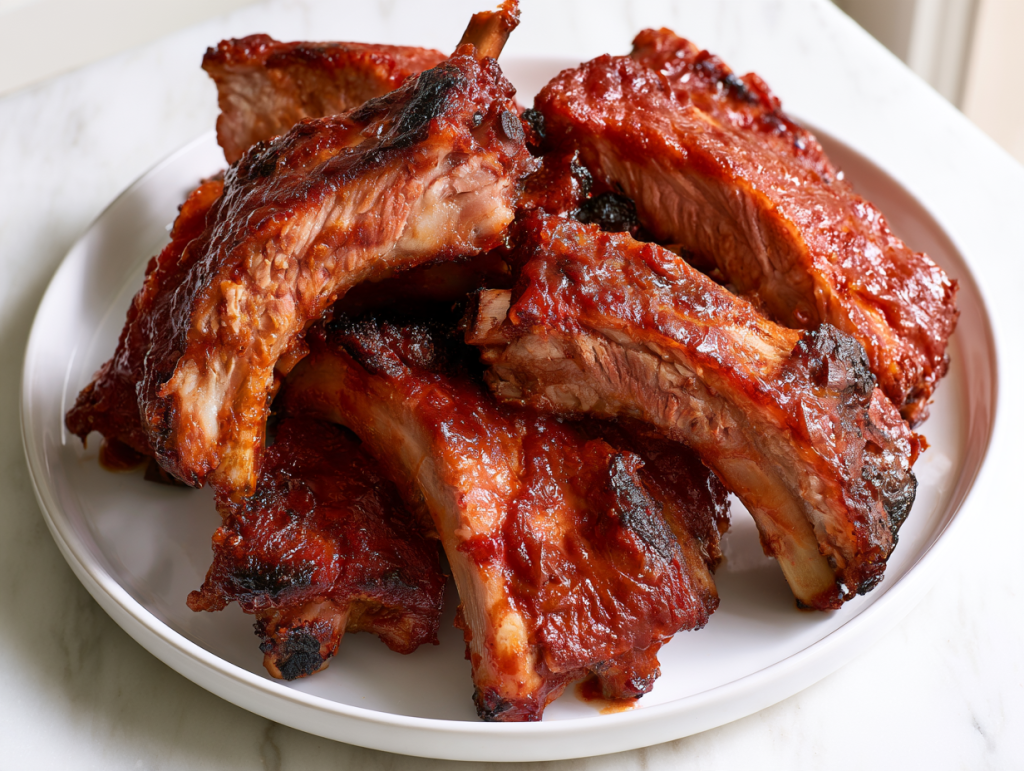
This Fall Off The Bone Ribs Recipe shows you how to make tender baby back pork ribs in the oven with minimal hands-on work. Baking them at a low temperature gives the meat plenty of time to soften, while a homemade sweet and spicy barbecue sauce adds a flavorful finish.
The ribs are seasoned simply with salt and black pepper, then coated with a sauce made from ketchup, brown sugar, apple cider vinegar, cumin, and hot chili sauce. A quick broil at the end, if you choose to use it, helps caramelize the sauce for a sticky finish.
Why You’ll Want to Make These Oven-Baked Ribs
- Simple Preparation: Season the ribs, wrap them in foil, and let the oven handle most of the cooking.
- Homemade BBQ Sauce: Make a sweet and spicy sauce with familiar pantry ingredients.
- Flexible Heat Level: Adjust the amount of hot chili sauce to suit your preference.
- Minimal Active Cooking: Most of the preparation time involves letting the ribs bake.
- Easy to Scale: The recipe serves four and can be adjusted for a larger gathering with suitable pans.
- Optional Caramelized Finish: A brief broil adds color and helps the barbecue sauce cling to the ribs.
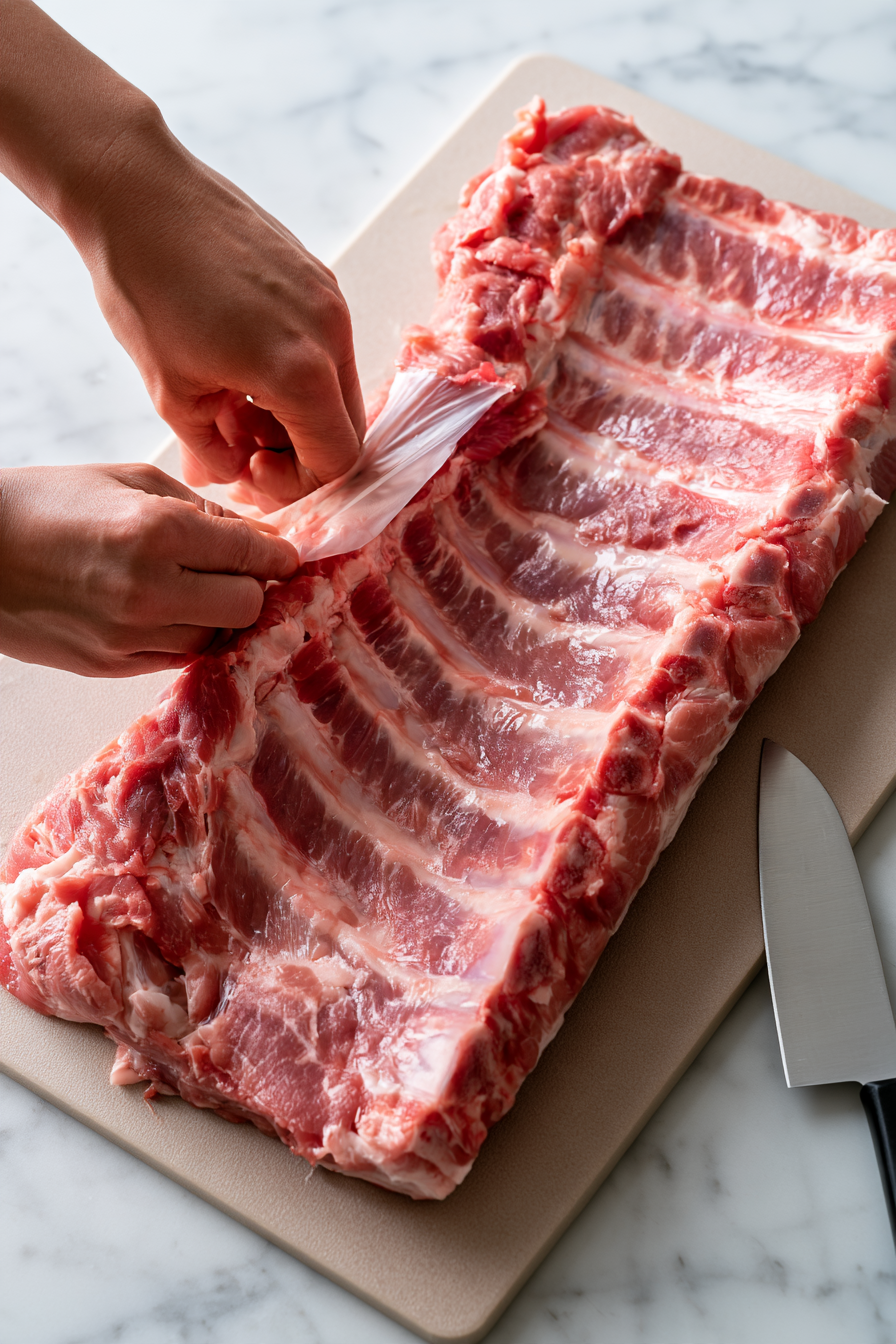
Pro Tip: When removing the membrane, slide a butter knife under one edge near a bone, grip the loosened membrane with a paper towel, and pull it away in one piece when possible. This helps expose the meat before seasoning.

Fall Off The Bone Ribs Recipe
Ingredients
For the Ribs:
- 2 to 2 ½ pounds Baby back pork ribs
- Salt and black pepper
For the Sweet & Spicy BBQ Sauce:
- 1 tbsp Olive oil
- ¼ cup finely Diced onion
- ½ tsp Ground cumin
- ½ cup Ketchup homemade is great!
- 1 tbsp Hot chili sauce like Sriracha
- 2 tbsp Light brown sugar
- 1 tbsp Apple cider vinegar
- Salt and ground pepper to taste
Instructions
Bake the Ribs:
- Preheat your oven to 275°F (135°C). Get out a large roasting pan or a rimmed baking sheet and some aluminum foil.
- If the ribs have a thin membrane on the back, peel it off.
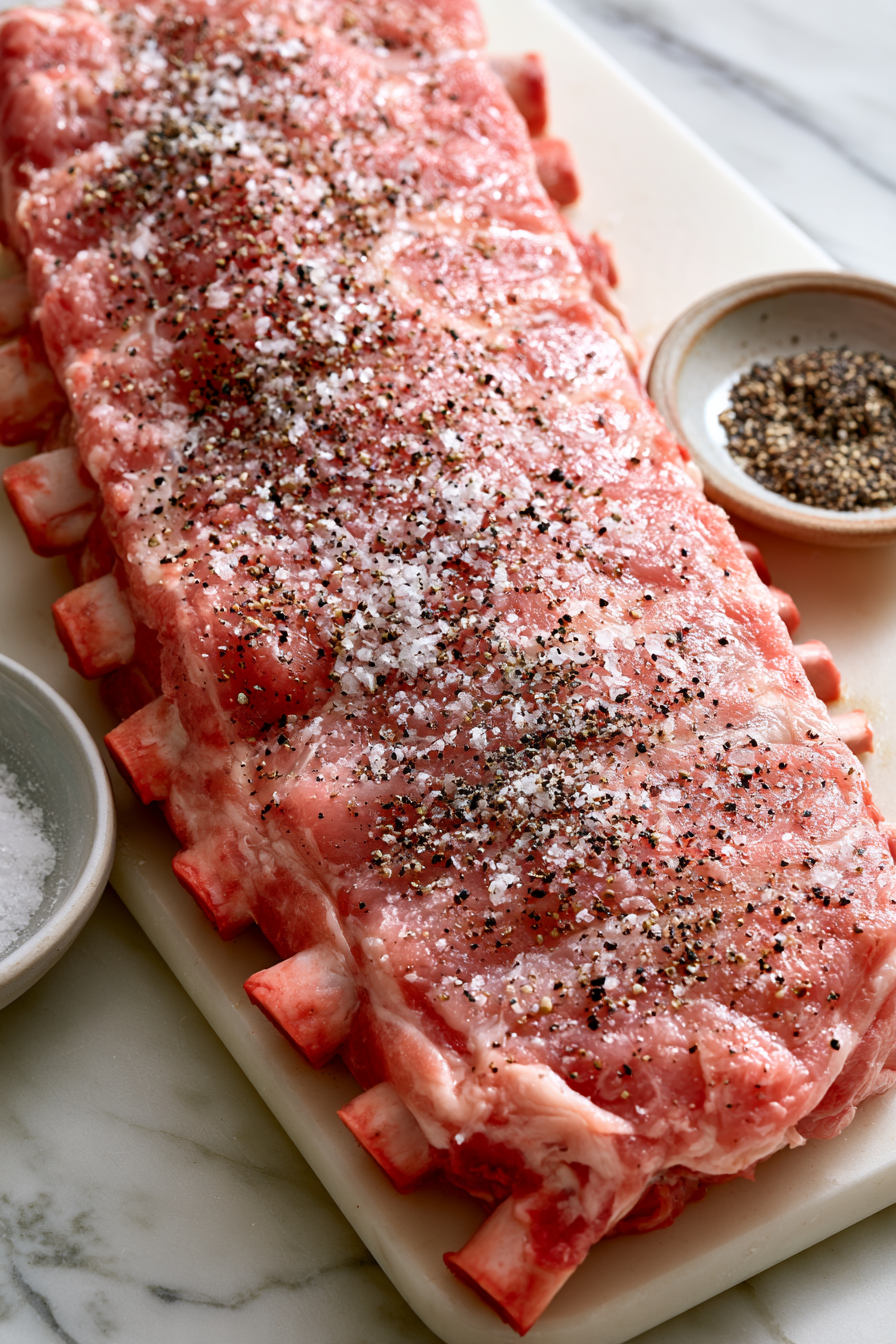
- Season both sides of the ribs generously with salt and pepper. If you’re using a spice rub, apply it now.
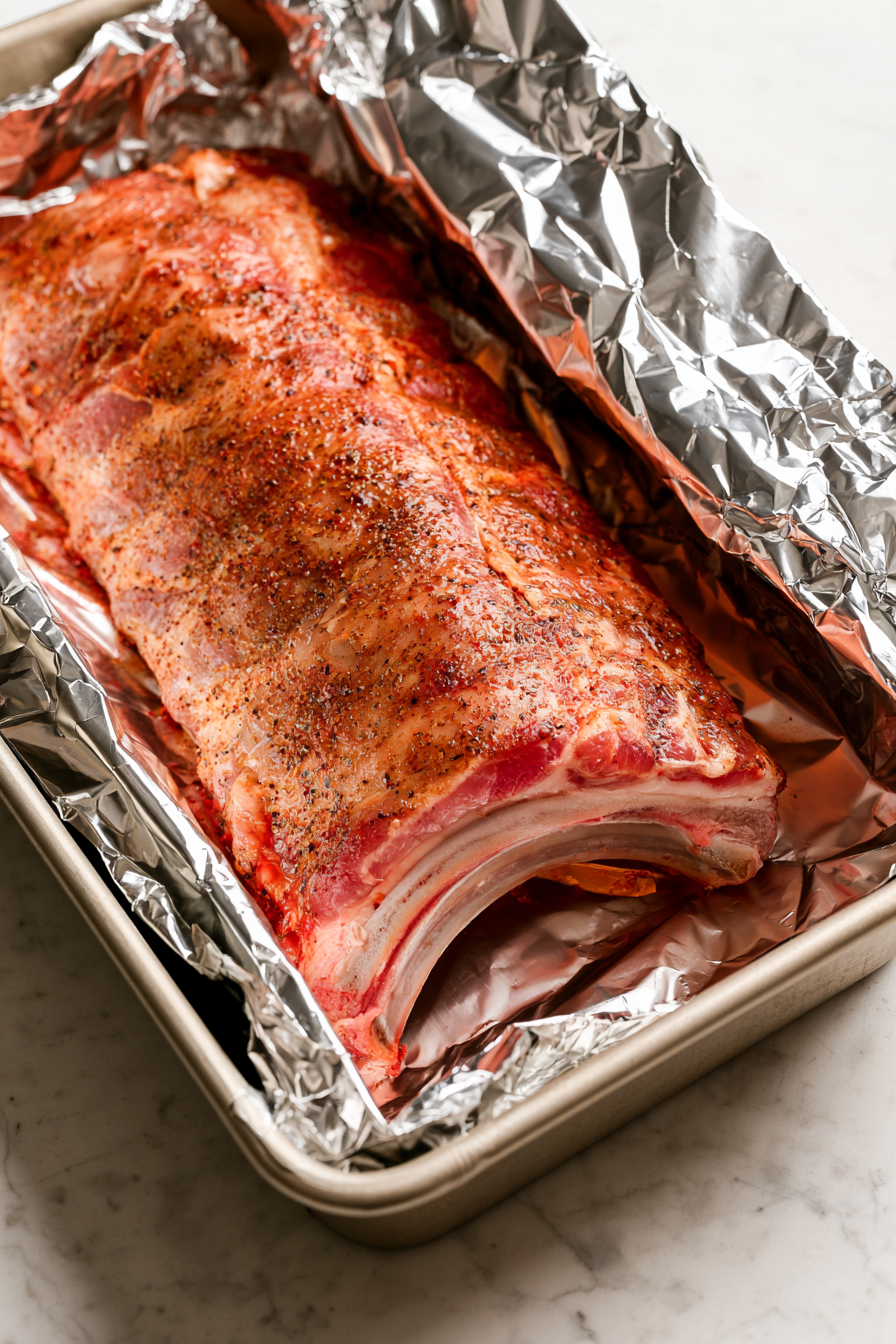
- Place the ribs, meaty side up, in the pan. You might need to cut them in half to fit. Cover tightly with foil, or wrap them in foil packets and place them on the baking sheet.
- Bake the ribs for 2 ½ to 3 ½ hours, or until the meat falls off the bone easily. Start checking after 2 hours. Use a sharp knife to test; there should be little resistance. You can also gently bend the ribs. If the meat looks like it’s pulling away from the bone, they’re done.
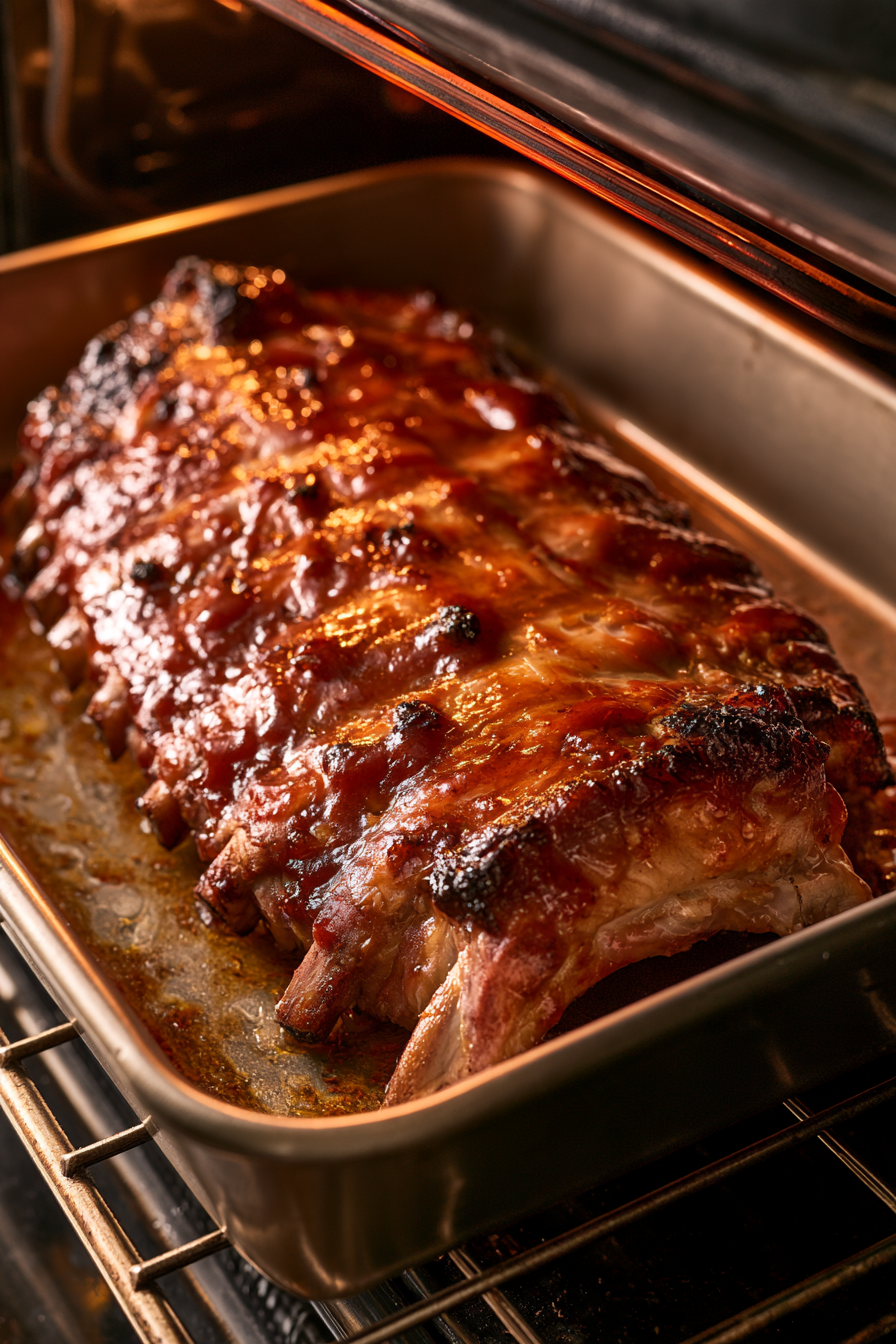
Make the Homemade BBQ Sauce:
- While the ribs are baking, make the BBQ sauce. Heat the olive oil in a saucepan over medium heat. Add the onions and cook until soft and translucent, about 5 to 8 minutes.
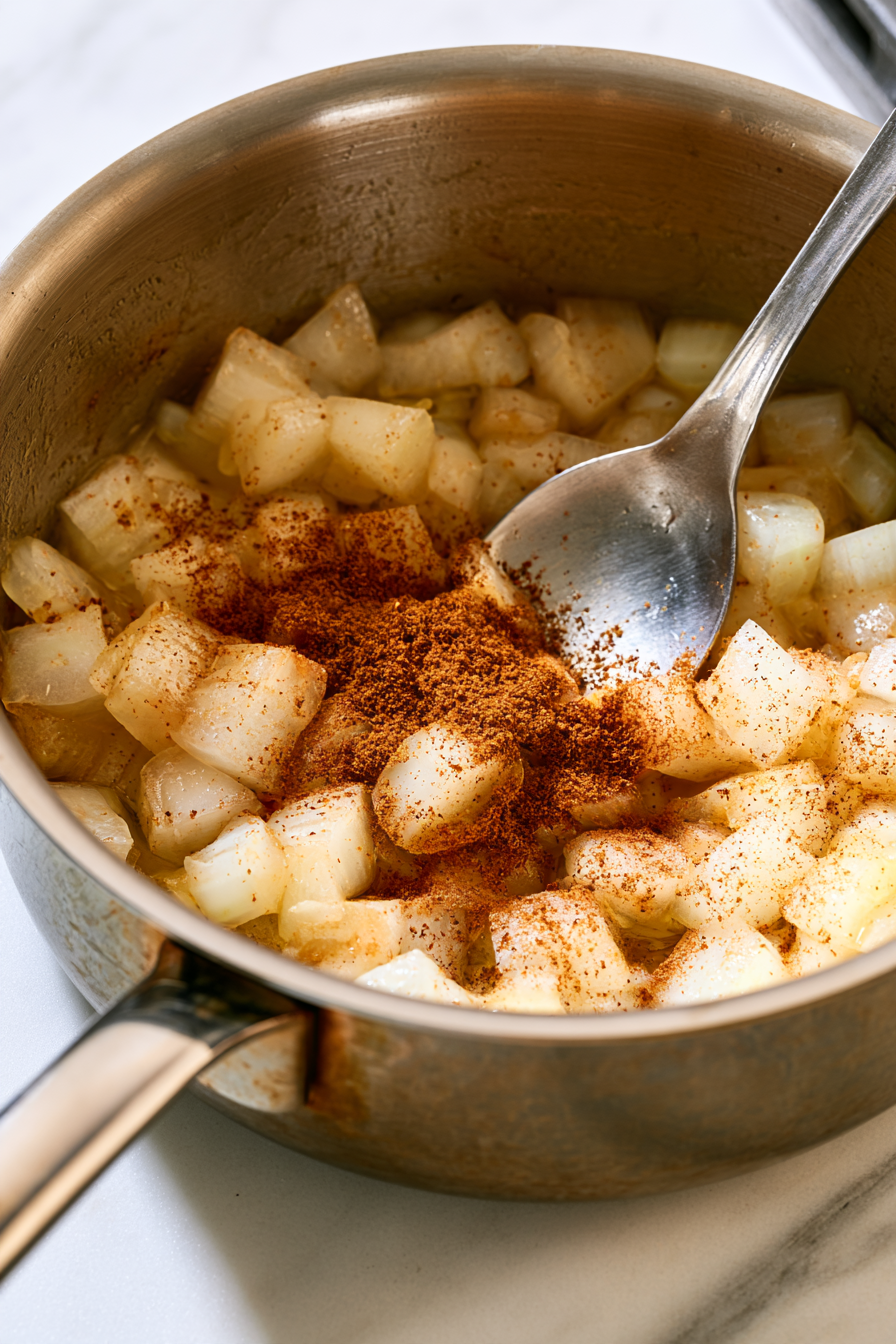
- Stir in the cumin and cook for another 30 seconds.
- Add the ketchup, hot chili sauce, brown sugar, and apple cider vinegar. Mix well, season with salt, and cook for 2 minutes. Set aside until the ribs are done.
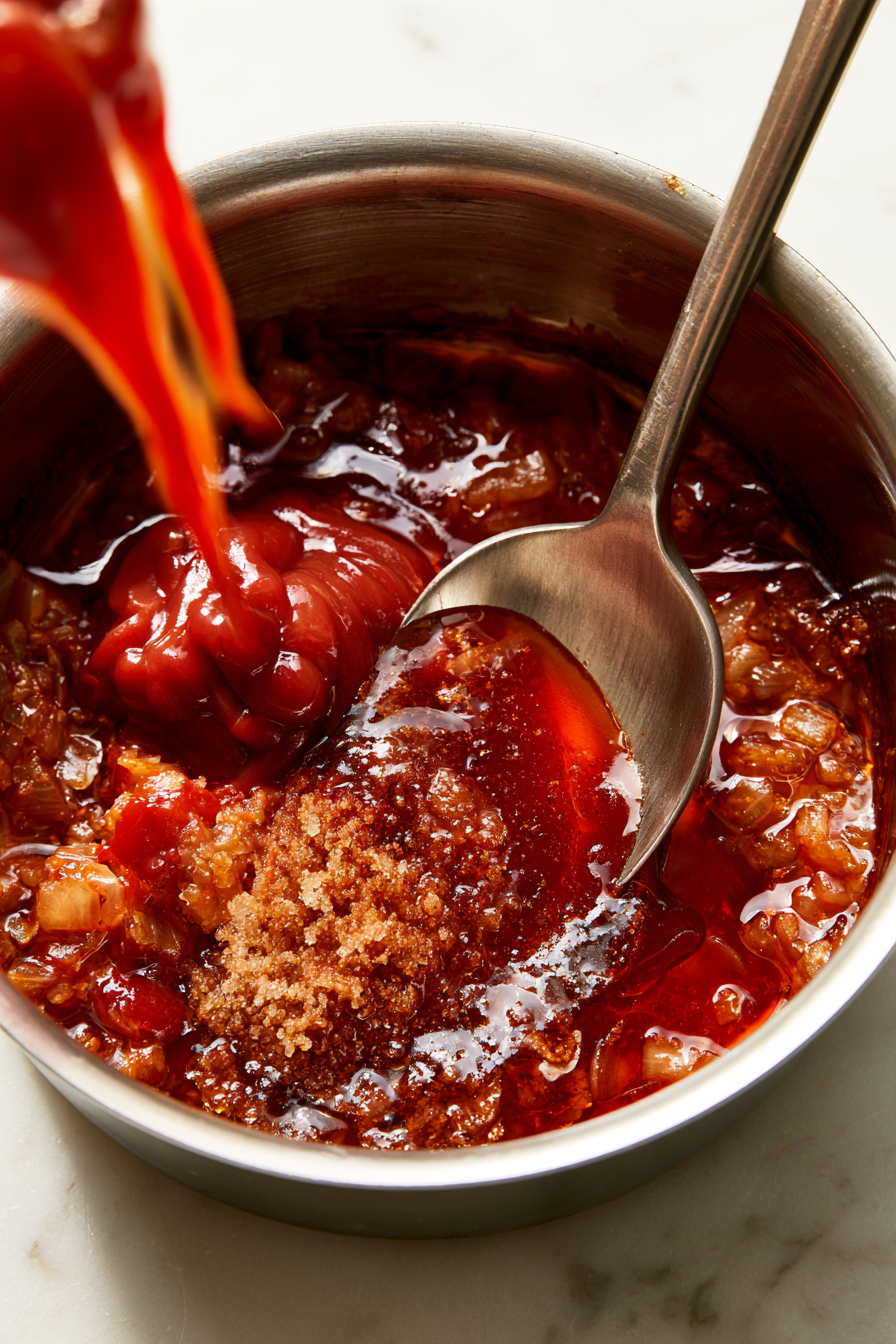
To Finish:
- Take the ribs out of the oven, discard the foil, and brush both sides generously with the BBQ sauce.
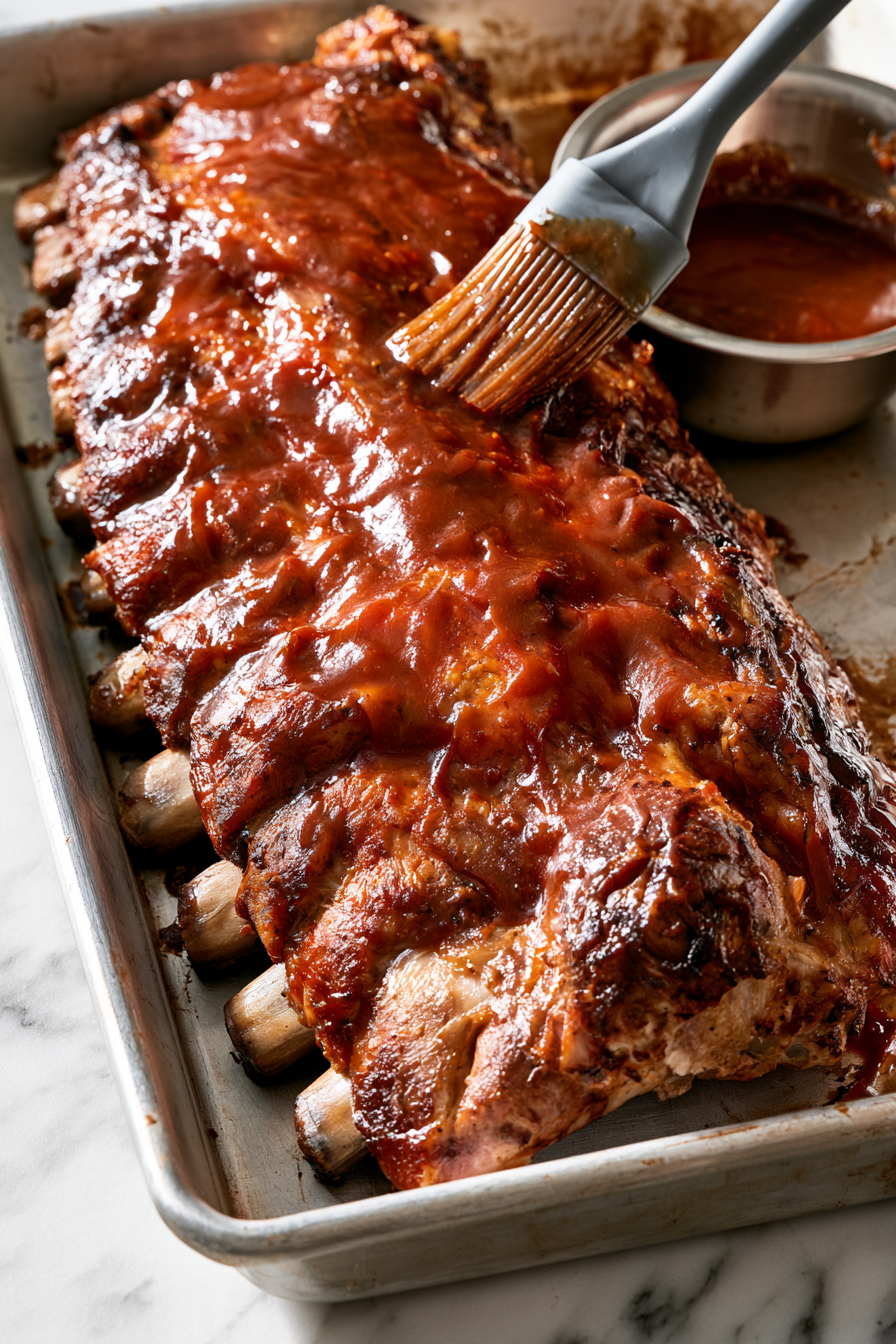
- (Optional) Move an oven rack near the top, turn the broiler to high, and broil the ribs for 3 to 4 minutes until the sauce starts to caramelize. Watch them closely so the sauce doesn’t burn.
Notes
- Remove the Membrane: Peel off the thin membrane from the back of the ribs before cooking. This helps make the meat more tender and flavorful.
- Low and Slow Baking: Bake the ribs at a low temperature (275°F or 135°C) for 2 ½ to 3 ½ hours. This slow cooking process ensures the meat is tender and falls off the bone.
Nutrition Facts:
| Nutrition | Value |
|---|---|
| Calories | 305 kcal |
| Carbohydrates | 34g |
| Protein | 15g |
| Fat | 13g |
| Cholesterol | 49 |
| Sodium | 1609mg |
| Potassium | 398mg |
Common Mistakes That Affect Rib Texture
- Baking at Too High a Temperature: Higher heat can cause the exterior to dry before the connective tissue has softened.
- Wrapping the Ribs Loosely: Poorly sealed foil allows moisture to escape during the long baking period.
- Leaving the Membrane Intact: The membrane can remain chewy and make the ribs harder to bite through cleanly.
- Checking Too Early: Ribs may need additional time beyond the first check. Judge doneness by tenderness rather than the clock alone.
- Burning the BBQ Sauce: The sugar in the sauce can darken quickly under the broiler. Keep the ribs in view throughout this step.
- Cutting Immediately After Baking: Cutting the rack straight out of the oven can cause juices to escape more quickly. Allow a brief rest before slicing into individual ribs.
Delicious Variations Worth Trying
- Honey BBQ Ribs: Replace some of the brown sugar with honey for a different sweetness profile.
- Smoky BBQ Ribs: Add a small amount of smoked paprika to the sauce for a smoky note.
- Extra-Spicy Ribs: Increase the hot chili sauce or add a pinch of cayenne pepper.
- Garlic BBQ Ribs: Add minced garlic to the softened onions before incorporating the remaining sauce ingredients.
- Tangier BBQ Sauce: Add a little extra apple cider vinegar if you prefer a sharper balance.
- Mustard BBQ Ribs: Stir a small amount of yellow mustard into the sauce for additional tang.
- Herb-Seasoned Ribs: Add a little dried thyme to the seasoning before baking for an herbal variation.
More Pork and BBQ Recipes to Try
- BBQ Chicken Thighs
- Slow Cooker Pulled Pork
- Apple Chutney Pork Chops
- Grilled Pork Tenderloin
- BBQ Turkey
How to Store and Reheat Leftover Ribs
- Refrigerator Storage: Refrigerate leftover ribs in an airtight container within two hours of cooking and use within 3–4 days.
- Freezer Storage: Freeze ribs in a freezer-safe container or tightly wrapped portions for up to 3 months for best quality.
- Sauce Storage: Keep any unused barbecue sauce in a separate, clean, sealed container and refrigerate it promptly.
- Reheating: Cover the ribs with foil and warm them in a 300°F oven until the center reaches 165°F. Add a little extra sauce if needed.
- Freshness Tip: Divide large racks into smaller portions before storing so they cool more quickly and are easier to reheat evenly.
Frequently Asked Questions
1. What is the best cut of pork for fall-off-the-bone ribs?
Baby back ribs are a good choice for this recipe because they are relatively lean and fit conveniently into a roasting pan. Spare ribs can also be cooked slowly, but their size and cooking time may differ.
2. Why are my ribs still tough after several hours?
The connective tissue may need more time to soften. Continue baking them, covered, and check periodically until a knife slides into the meat with little resistance.
3. Should I remove the membrane from the ribs?
Yes, removing the thin membrane from the bone side improves the eating experience by eliminating a tough layer that can remain chewy after cooking.
4. Can I make the barbecue sauce less sweet?
Yes. You can reduce the brown sugar in a future batch and adjust the vinegar and chili sauce to taste. The sauce will have a different balance from the original recipe.
5. How can I tell if the barbecue sauce is caramelized enough?
Look for a glossy coating with slightly darkened edges and small areas of bubbling. The sauce should look set on the surface without becoming black or bitter.
6. Can I use a baking sheet instead of a roasting pan?
Yes. Use a sturdy, rimmed baking sheet that can safely hold the ribs and catch any juices. Make sure the foil is sealed securely around the rack or packet.
7. Why does the sauce need to be cooked separately?
Cooking the sauce in a saucepan softens the onion and gives the ingredients time to combine before they are brushed onto the ribs. It also allows you to control the sauce’s consistency independently of the pork.
8. Do the ribs need to reach a specific internal temperature?
Yes. Pork ribs should reach at least 145°F with a three-minute rest for food safety, although ribs cooked until very tender generally reach a higher temperature during the longer cooking process. For this recipe, check tenderness as directed and use a food thermometer to verify safe cooking.

hi there,
The Freshman Cook started as a place to keep track of recipes I wanted to make again. Somewhere along the way, it grew into a collection of meals that friends requested, desserts that disappeared too quickly, and weeknight dinners that made life a little easier.
know more


