
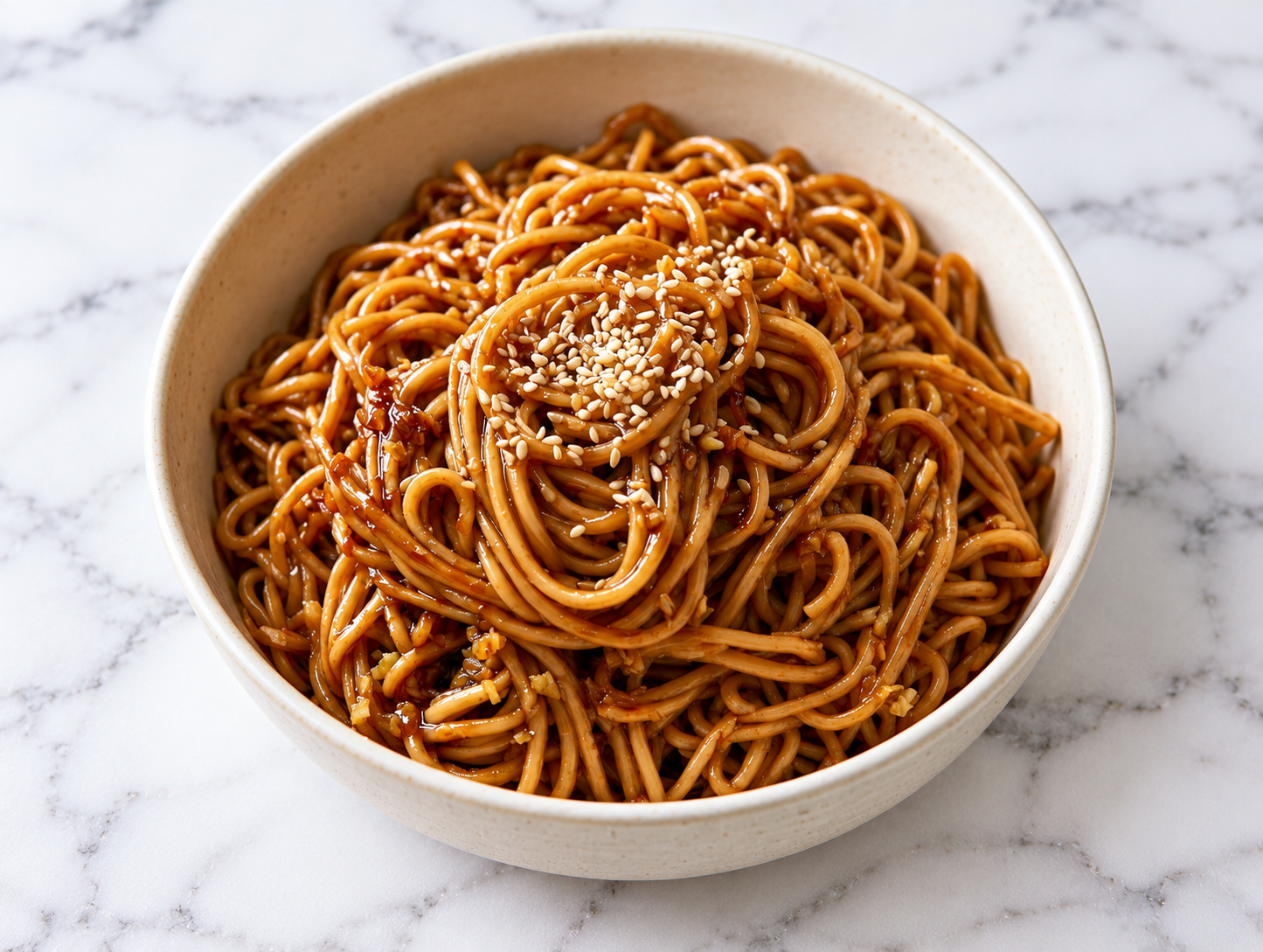
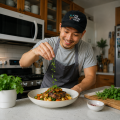
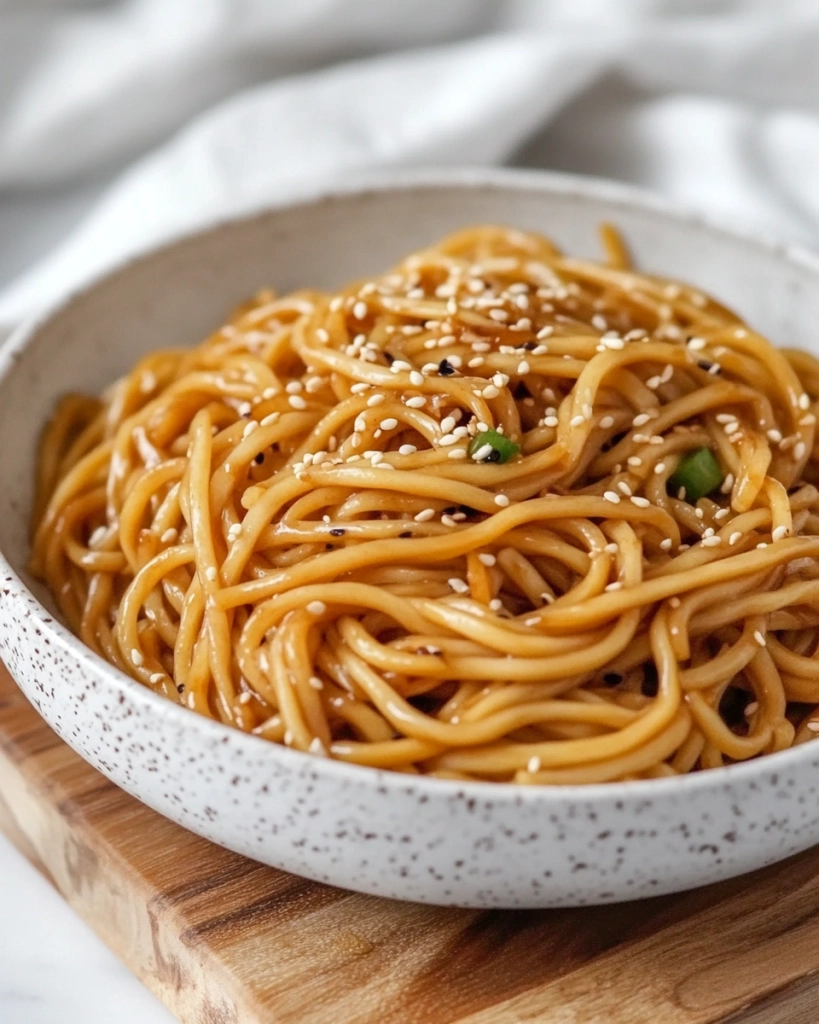
These hibachi noodles come together in just 20 minutes and are perfect for busy weeknights when you want something quick, buttery, and packed with restaurant-style flavor.
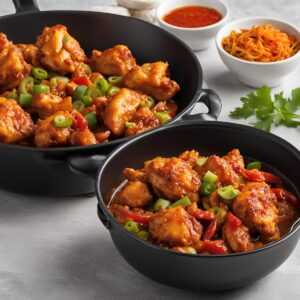
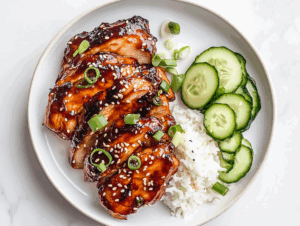
Loaded with rich butter, savory soy sauce, sweet hints of ginger, and garlicky goodness, these noodles taste just like the ones served at a Japanese steakhouse. They pair beautifully with chicken, beef, shrimp, or stir-fried vegetables.
Table of Contents
Why These Hibachi Noodles Taste Like a Steakhouse Favorite
What makes hibachi noodles so irresistible is the balance of buttery richness and the signature sweet-savory glaze. Each strand is coated with a thin layer of butter that melts into the noodles, locking in flavor and giving that silky, restaurant-quality texture.
The combination of soy sauce, a touch of teriyaki, garlic, and ginger creates layers of flavor that hit every corner of your palate. The noodles carry a slight caramelized note from the high-heat stir-fry, which is exactly what makes steakhouse-style noodles so memorable.
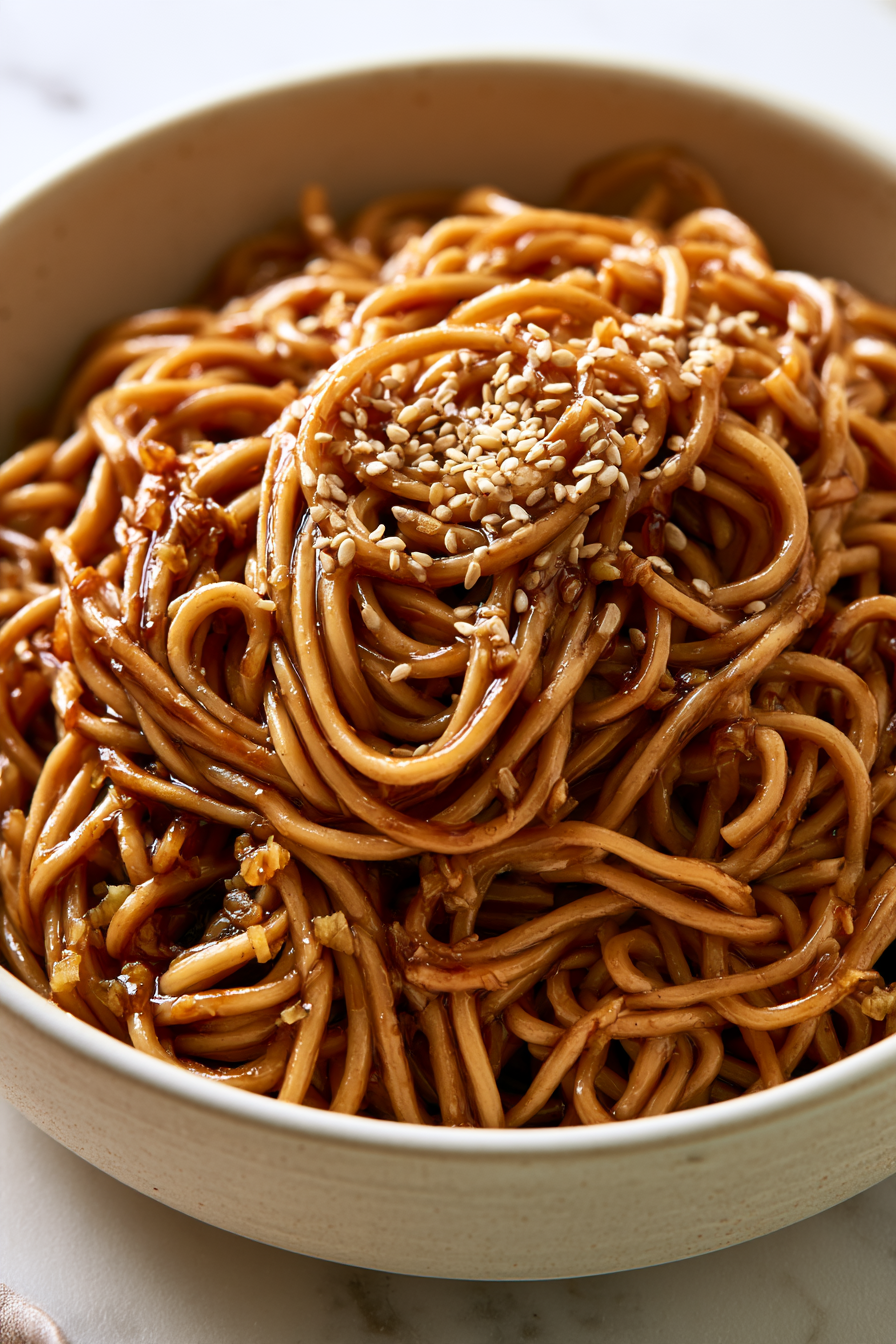
Even simple additions like a sprinkle of sesame seeds or a quick toss of scallions at the end bring the noodles closer to what you’d expect from a hibachi grill. These little touches replicate the full sensory experience of a Japanese steakhouse.
Ultimately, it’s the speed, flavor, and technique together that make this dish feel special. With minimal effort, you get noodles that taste indulgent and authentic, perfect alongside your favorite proteins or vegetables.
Ingredient Substitutions for Different Needs

- No Dark Soy Sauce: Use regular soy sauce with a splash of oyster sauce.
- No Mirin: Use rice vinegar with a pinch of sugar.
- No Butter: Use extra sesame oil or neutral oil.
- No Brown Sugar: Use honey or white sugar.
- Different Noodles: Udon, ramen, lo mein, or spaghetti all work well.
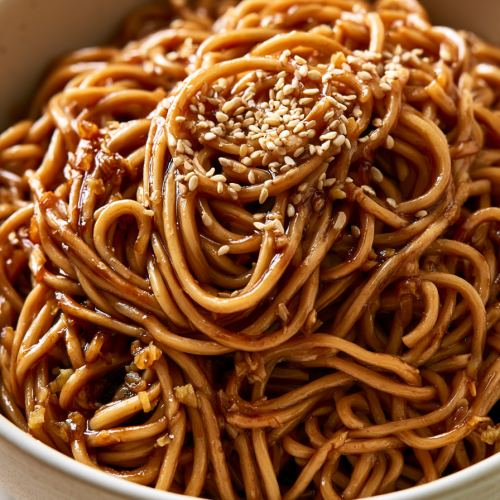
Hibachi Noodles Recipe
Equipment
- Big frying pan or wok
- Cutting Board
- Knife
- Bowls for mixing
- Wooden spatula or cooking chopsticks
Ingredients
- 1 pound Noodles like soba, Yakisoba, lo mein, or even regular pasta!
- 3 tbsp Butter
- 1 tbsp Sesame oil
- 1 ½ tbsp Minced garlic
- 1 tbsp Minced ginger
- 2 tbsp Dark soy sauce
- 2 tbsp Teriyaki sauce
- 1 tbsp Mirin or rice vinegar
- 2 tsp Brown sugar
- ½ tsp Black pepper
- Sesame seeds for topping
Instructions
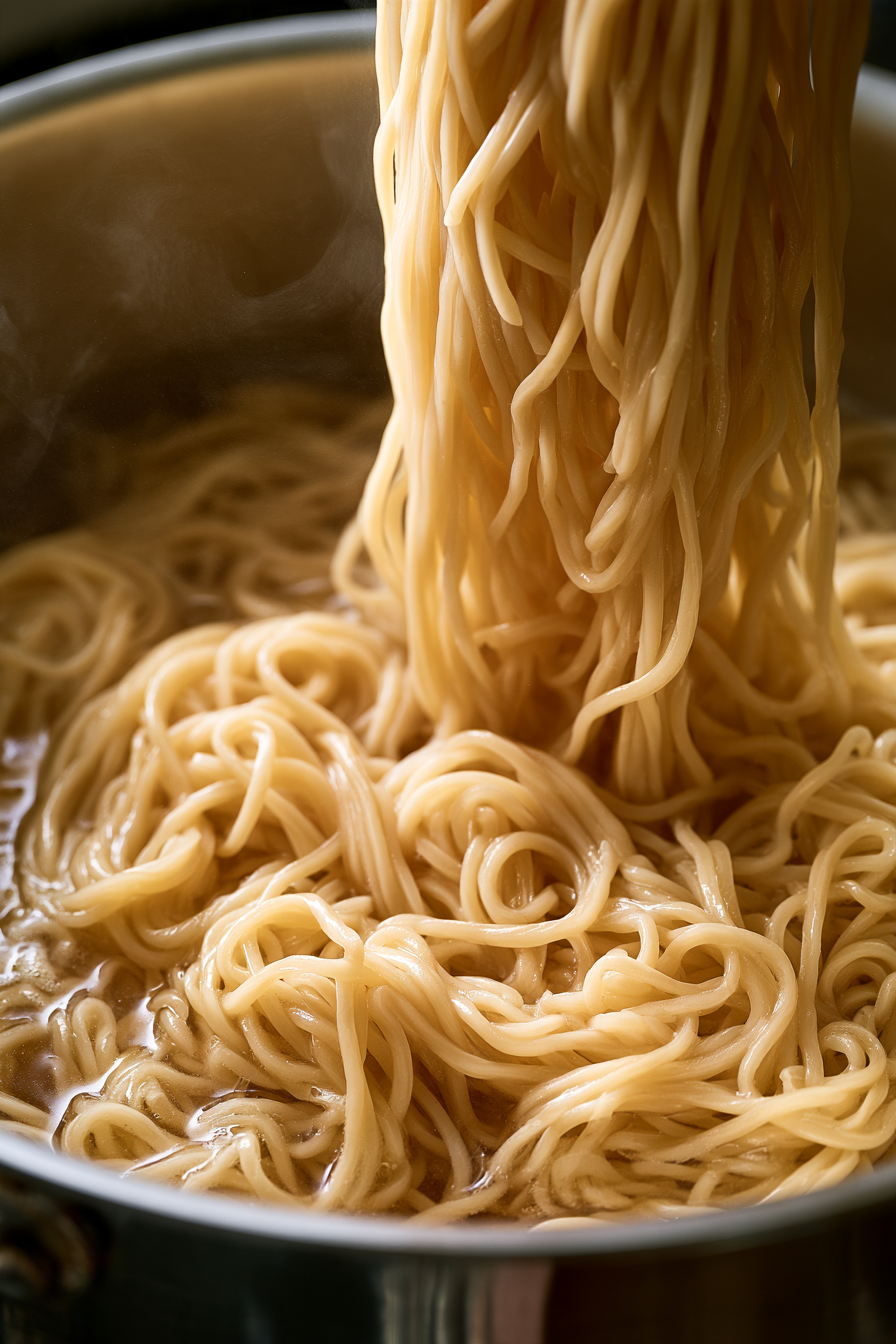
- Boil your noodles until they're just right. Then, drain and rinse them under cold water.
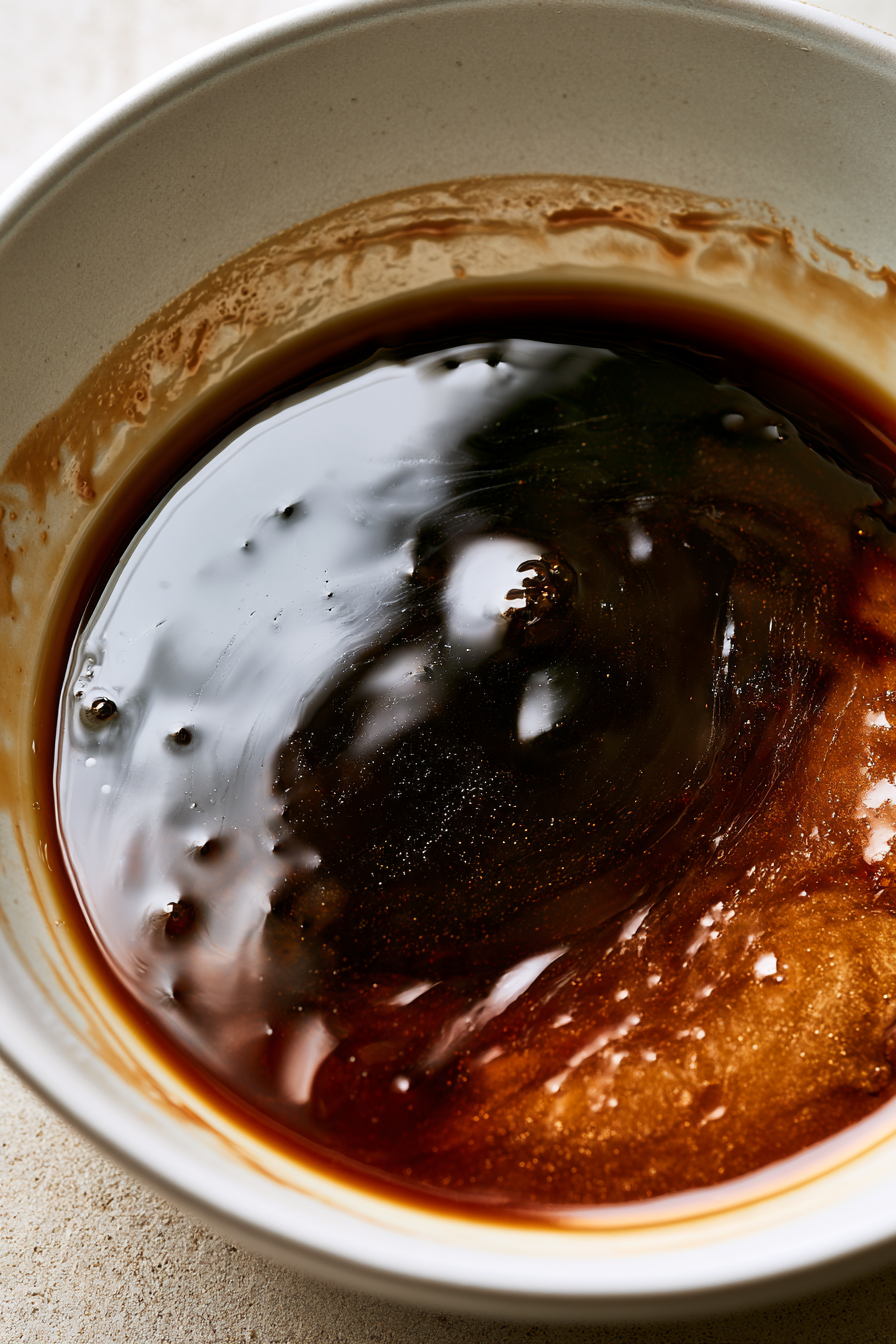
- Mix the soy sauce, teriyaki sauce, vinegar, and brown sugar in a small bowl.
- Heat a big pan or wok. Melt the butter, then add the sesame oil. Throw in the garlic and ginger, and let them cook for a bit.
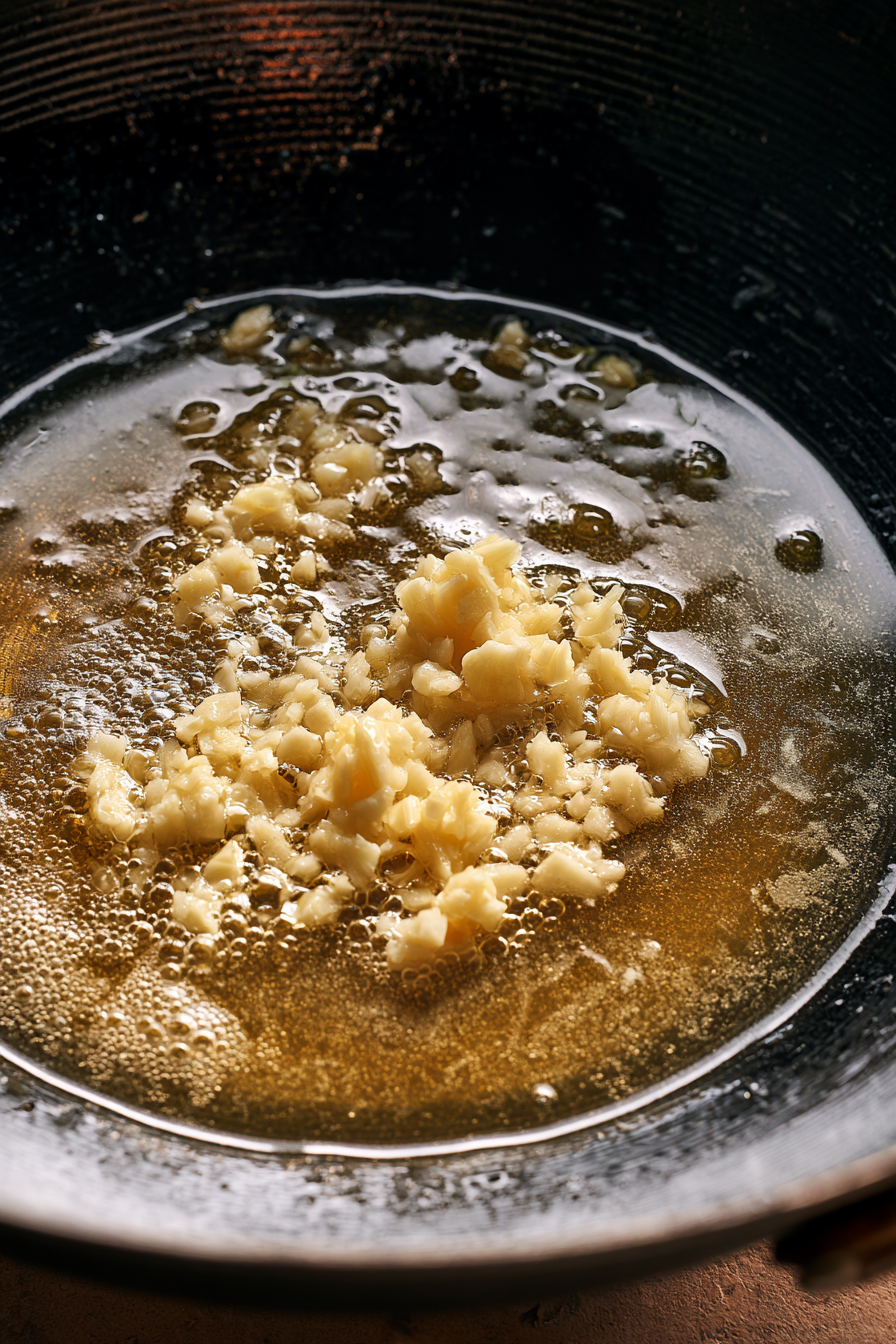
- Pour in the sauce you made earlier and stir it.
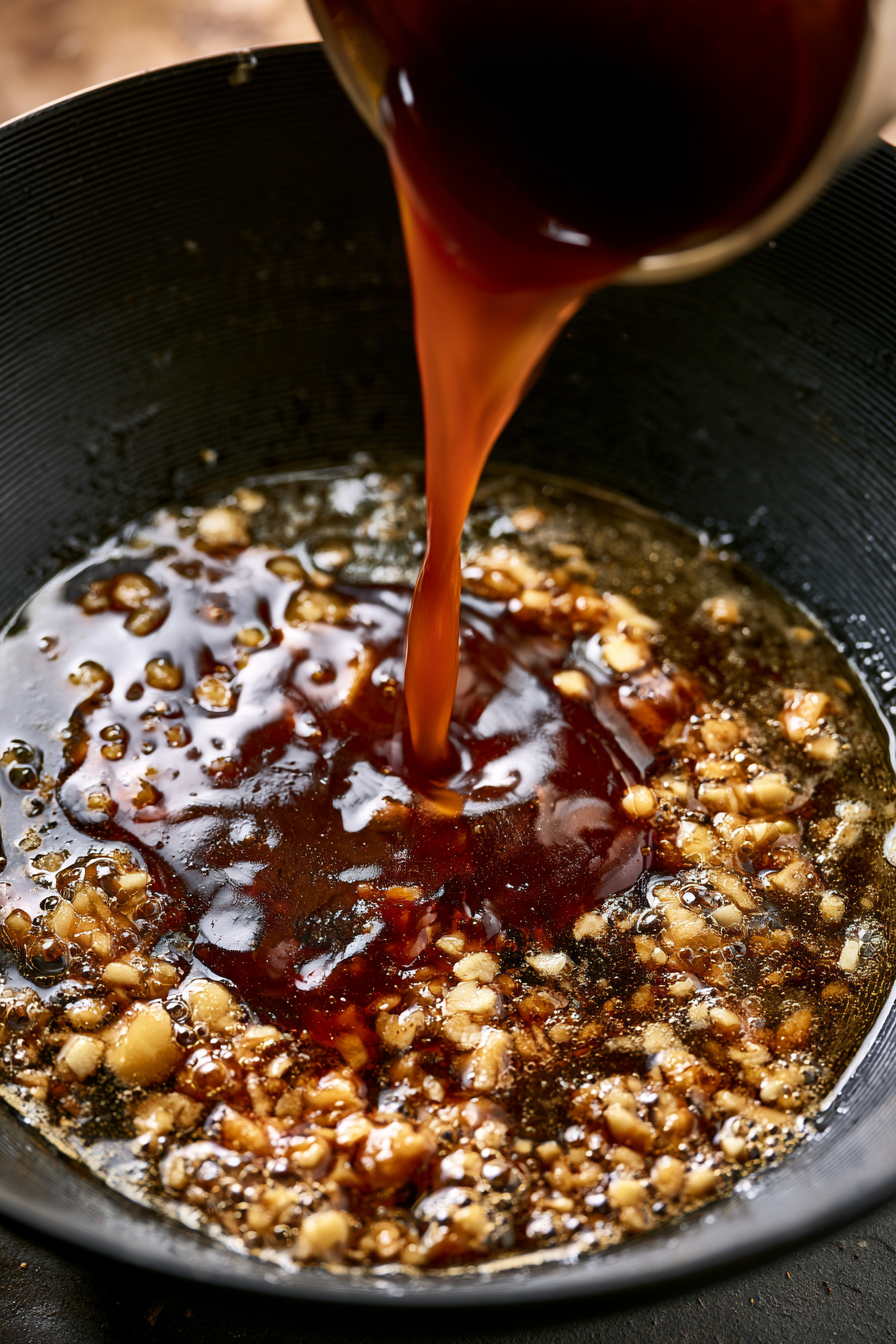
- Toss in your cooked noodles and black pepper. Stir it all up until the noodles soak up the yummy sauce.
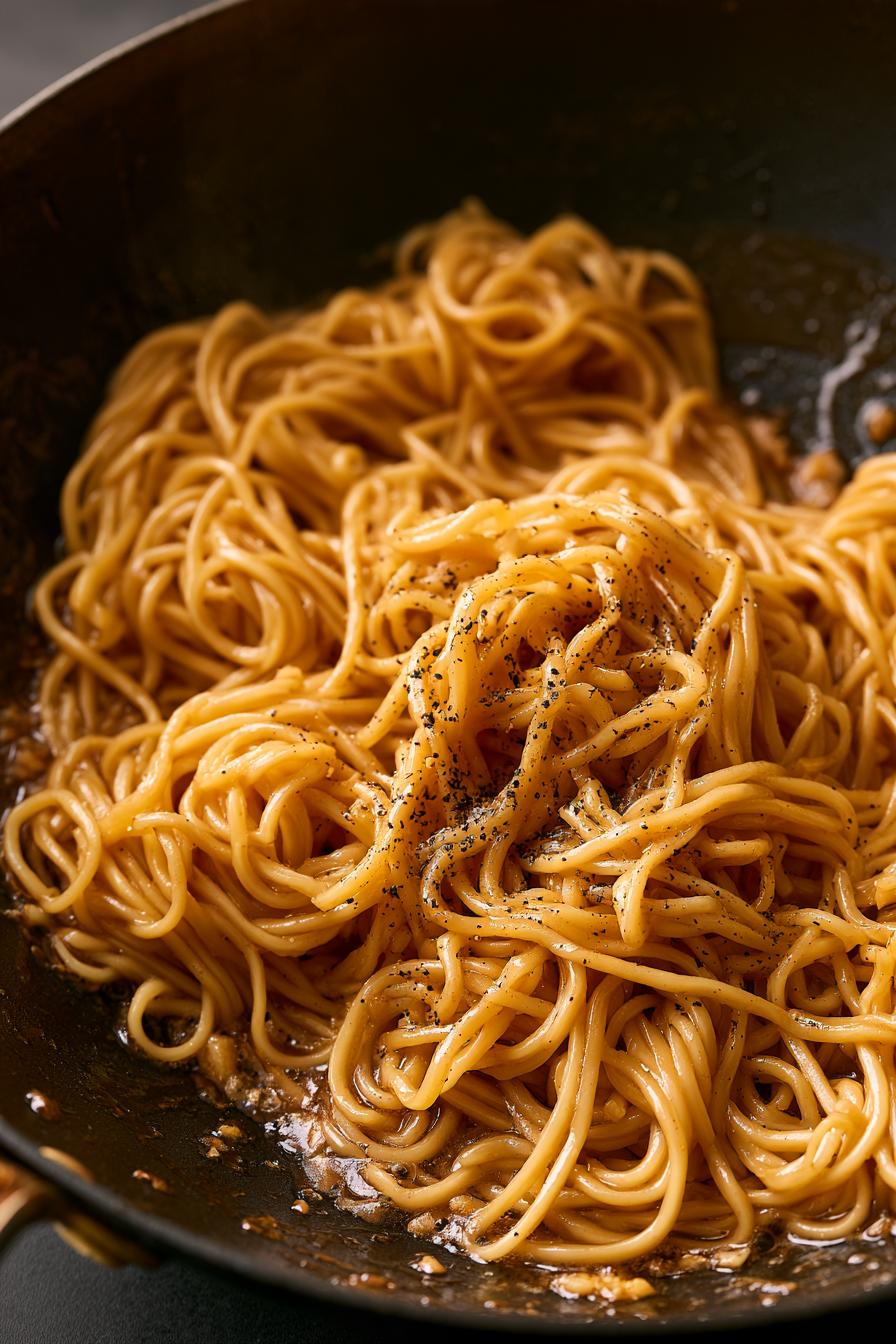
- Take the noodles off the heat, put them in a dish, and sprinkle sesame seeds on top.
Notes
- Choose the noodles you like: soba, Yakisoba, Somen, lo mein, udon, Ramen, or angel hair pasta.
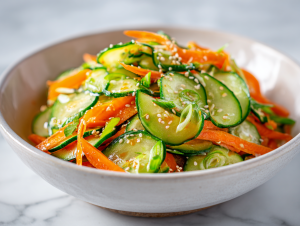
- Add yummy stuff like mushrooms, broccoli, bell peppers, or zucchini, plus chicken or shrimp if you want.
- It’s best to make the noodles fresh when you’re ready to eat, but you can reheat them if you need to.
Pro Tip: Rinse the noodles under cold water after boiling to stop them from overcooking and to keep them from sticking together in the pan.
Nutrition Facts:
| Nutrition | Value |
|---|---|
| Calories | 365kcal |
| Protein | 12g |
| Carbohydrates | 61g |
| Fat | 10g |
| Cholesterol | 16mg |
| Sodium | 615mg |
| Fiber | 4g |
| Sugar | 3g |
| Calcium | 28mg |
| Iron | 1mg |
Avoid These Common Mistakes
Overcooking noodles is the biggest mistake—they should be just al dente before stir-frying to stay firm and springy.
Uneven sauce coating can leave some noodles bland. Toss noodles quickly in a large pan or wok to get a glossy, evenly flavored finish.
Overcrowding the pan with protein or vegetables lowers the heat, causing noodles to steam instead of sear. Cook in batches if needed.
Don’t skip flavor boosters like garlic, ginger, or a touch of sesame oil—they make the noodles taste authentic and steakhouse-worthy.
Your Hibachi, Your Way
Hibachi noodles are a blank canvas add your favorite protein like chicken, shrimp, beef, or tofu for extra heartiness. Vegetables such as bell peppers, mushrooms, or zucchini make them colorful and fresh.
Spice it up with sriracha, chili flakes, or a dash of sesame oil for a bolder kick. You can also swap ginger for garlic paste or add a splash of teriyaki for sweetness.
Try fusion flavors like peanut sauce, miso glaze, or a citrus-soy twist to make the dish your own. Even small tweaks create a whole new flavor experience.
Finally, get creative with garnishes sesame seeds, chopped scallions, or a drizzle of soy-based glaze instantly elevate the presentation and taste.
Try More Noodle Recipes
- Singapore Street Noodles
- Teriyaki Noodles
- Sweet Chili Noodles
- Veggie Noodles
- Shrimp with Zucchini Noodles
Make-Ahead and Storage Tips
- Sauce can be mixed a day ahead
- Store leftovers in the fridge for up to 2 days
- Reheat in a pan for best texture
- Add a splash of water while reheating
- Best enjoyed fresh and warm
Frequently Asked Questions
- Can I meal prep this?
Yes, it keeps well for up to 2 days in the fridge. - Can I use regular spaghetti?
Yes, spaghetti works very well if hibachi noodles are not available. - Can I make this ahead?
Yes, but it tastes best fresh and hot. - Can I add vegetables?
Absolutely, broccoli, carrots, and mushrooms work beautifully. - What protein goes best with this?
Chicken, steak, shrimp, and tofu pair perfectly. - Can I make it spicy?
Yes, add chili flakes or sriracha. - Can I use light soy sauce?
Yes, but dark soy gives better color and depth. - How do I stop noodles from sticking?
Rinse after boiling and toss with a little oil. - Best served hot or warm?
Hot is best for flavor and texture.

hi there,
The Freshman Cook started as a place to keep track of recipes I wanted to make again. Somewhere along the way, it grew into a collection of meals that friends requested, desserts that disappeared too quickly, and weeknight dinners that made life a little easier.
know more