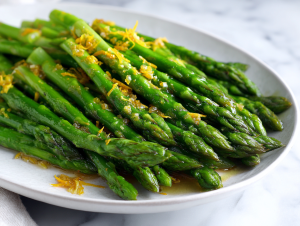

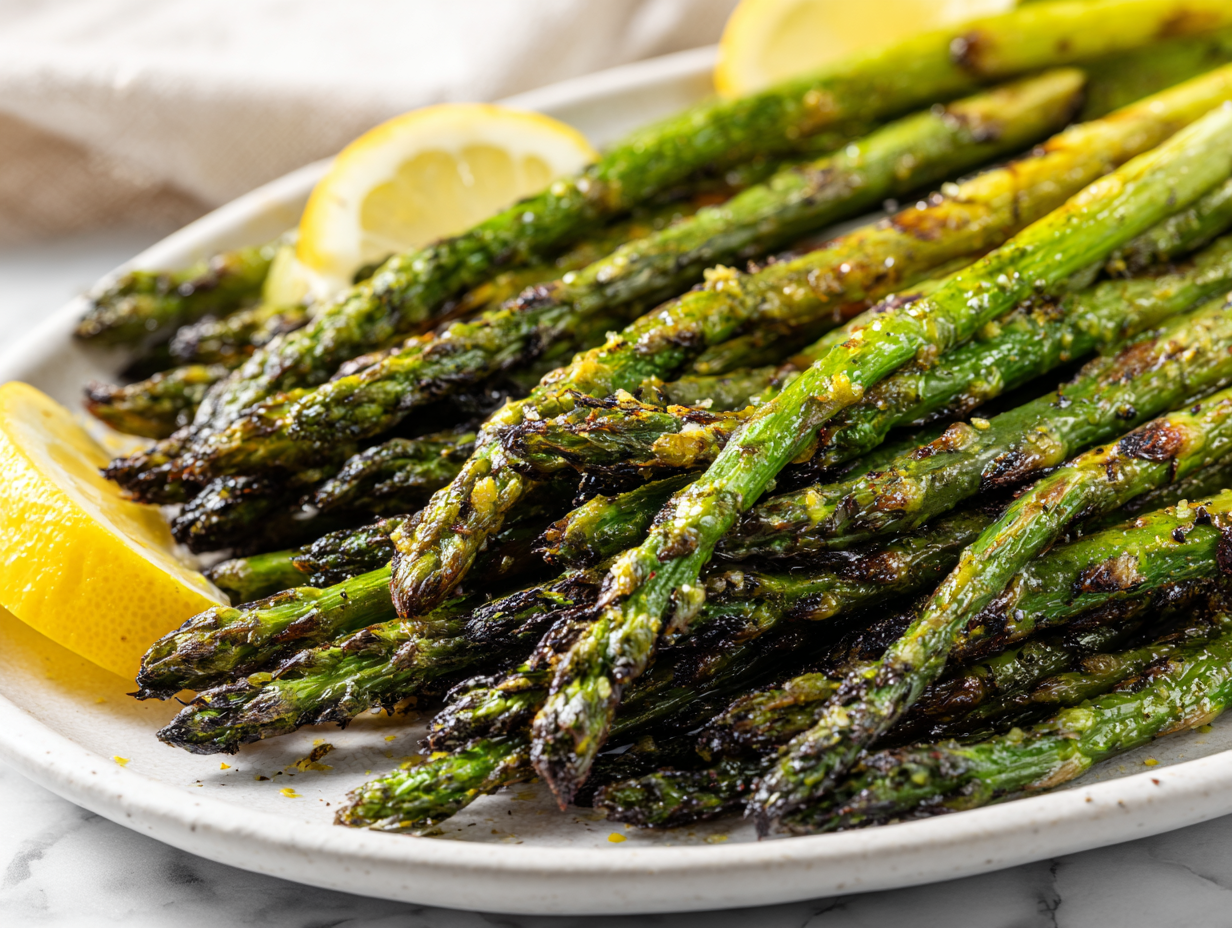

Vegan lemon garlic asparagus feels like a breath of fresh air in the kitchen. The way the bright citrus cuts through the tender, slightly crisp asparagus is a reminder that simple ingredients can be transformed into something lively and satisfying. It’s perfect for those quick weeknights when you want flavor without fuss, but still crave that zing of freshness.
I love how this dish balances the earthiness of asparagus with the sharp, fragrant punch of lemon and garlic. There’s a real joy in tossing everything together and watching the vibrant green and sunny yellow come to life in the pan. It’s a dish that feels almost celebratory, even on the most ordinary of days, especially when spring’s bounty is at its peak.
This recipe focuses on highlighting the bright, zesty contrast between lemon and garlic, which cuts through the natural earthiness of asparagus, transforming a simple veggie into a lively, almost celebratory dish perfect for spring’s fresh energy.
The personal connection to bright flavors
- This recipe sprang from a craving for something bright and clean, especially on busy spring evenings. I was tired of heavy, sauce-laden dishes and wanted something that felt almost like a fresh start every time I made it.
- One evening, I was tossing ingredients in my tiny kitchen—garlic, lemon, green asparagus—and realized how the simple act of squeezing bright lemon over crispy-tender stalks could lift the whole meal into a moment of joy. It’s honest, quick, and keeps the season’s best produce front and center.
- heading: ‘The story behind this recipe’
Ingredient breakdown: key components
- Asparagus: I love snapping off the woody ends—those tough bits can ruin the bite. Trim just below the tough part, then give it a quick rinse; fresh, crisp stalks are the goal.
- Lemon: I always zest before squeezing—oily lemon zest brightens the dish and adds a fragrant punch. Use a microplane for fine zest, and roll the lemon on the counter first to loosen the juice.
- Garlic: Thin slices release more flavor faster. I sauté garlic until fragrant but not browned—bitter garlic is a no-go, so keep an eye on the pan and stir often.
- Olive oil: A good drizzle at the start helps everything cook evenly and adds richness. I opt for a fruity, grassy variety—it’s more lively against the lemon and garlic backdrop.
- Salt: I prefer flaky sea salt—crystals melt nicely and add a subtle crunch. Adjust to taste, especially if your soy sauce or other ingredients are salty.
- Black pepper: Freshly cracked pepper adds a warm, spicy note. Grind it generously at the end—overcooking can dull its aroma and bite.
- Optional chili flakes: A pinch gives a gentle heat that balances the citrus brightness. Add last, so the flakes stay vibrant and don’t turn bitter.
Spotlight on key ingredients
Lemon:
- Asparagus: I love snapping off the woody ends—those tough bits can ruin the bite. Trim just below the tough part, then give it a quick rinse; fresh, crisp stalks are the goal.
- I always zest before squeezing—oily lemon zest brightens the dish and adds a fragrant punch. Use a microplane for fine zest, and roll the lemon on the counter first to loosen the juice.
Garlic:
- Thin slices release more flavor faster. I sauté garlic until fragrant but not browned—bitter garlic is a no-go, so keep an eye on the pan and stir often.
- Olive oil: A good drizzle at the start helps everything cook evenly and adds richness. I opt for a fruity, grassy variety—it’s more lively against the lemon and garlic backdrop.
Notes for ingredient swaps
- Vegan Butter: Swap with coconut oil or olive oil for a different richness, but expect a slightly different aroma and creaminess.
- Lemon: Use bottled lemon juice if fresh is unavailable; it’s less bright but still tangy and convenient.
- Garlic: Roast garlic cloves for a mellow, sweet flavor instead of raw slices—adds depth with less pungency.
- Asparagus: Green beans or snap peas can stand in for a crunchier, sweeter alternative, though they won’t have the same earthiness.
- Olive Oil: Avocado oil offers a neutral, slightly buttery note, or sesame oil for a nutty twist—use sparingly, as flavor is more pronounced.
- Salt: Himalayan or flavored sea salts can add subtle mineral notes or extra flavor dimension; adjust with caution.
- Chili Flakes: Paprika or a dash of cayenne can bring heat or smoky depth if you prefer milder spice or different warmth.
Equipment & Tools
- Large skillet: For even cooking and tossing the asparagus.
- Tongs: To flip and handle the asparagus gently.
- Microplane: To zest the lemon finely, releasing essential oils.
- Small bowl: To hold lemon juice or garlic slices if prepping ahead.
Step-by-step guide to vegan lemon garlic asparagus
- Gather your tools: a large skillet, tongs, a small bowl, and a microplane for zesting. The skillet is key for even cooking, the tongs for tossing, and the microplane for bright lemon zest.
- Trim the asparagus: snap or cut off the woody ends—about 2 inches from the bottom. Rinse well and pat dry. Set aside.
- Heat your skillet over medium heat (about 160°C / 320°F). Drizzle with 1-2 tablespoons olive oil, enough to lightly coat the bottom.
- Add the asparagus in a single layer. Cook for 3-4 minutes, shaking the pan occasionally, until they turn slightly tender and start to get a little color.
- While they cook, thinly slice 3-4 garlic cloves. When asparagus are about halfway done, add garlic slices to the pan. Cook for another 1-2 minutes until fragrant—watch for golden edges.
- Zest half a lemon directly over the skillet, then squeeze in the juice of one lemon (about 2 tablespoons). Stir everything gently to coat evenly.
- Cook for another minute, allowing the lemon juice to reduce slightly and mingle with garlic and oil. The asparagus should be bright green and just tender but still crisp.
- Remove from heat. Taste and adjust seasoning with a pinch of salt and freshly cracked black pepper. If using chili flakes, sprinkle now for a gentle heat.
- Rest the asparagus in the pan for 1 minute to let flavors meld. Then, transfer to a serving plate. Finish with extra lemon zest if desired.
Let the asparagus rest briefly in the pan to absorb flavors. Serve immediately, garnished with extra lemon zest or a squeeze of fresh lemon if desired.
How to Know It’s Done
- Asparagus: vibrant green with slight crispness, no dull or overcooked spots.
- Lemon: bright aroma of citrus without bitterness, juice has reduced but not evaporated completely.
- Garlic: fragrant with a golden hue, not burnt or bitter.

Vegan Lemon Garlic Asparagus
Equipment
- Large skillet
- Tongs
- Microplane
- Small Bowl
Ingredients
- 1 bunch fresh asparagus snap off the woody ends, rinse well
- 1 piece lemon for zest and juice
- 3-4 cloves garlic thinly sliced
- 2 tablespoons olive oil fruity, grassy variety preferred
- to taste flaky sea salt
- to taste freshly cracked black pepper
- optional pinch chili flakes for a gentle heat
Instructions
- Trim the woody ends of the asparagus and rinse thoroughly, then pat dry. Set aside.
- Heat a large skillet over medium heat and add 1-2 tablespoons of olive oil, enough to lightly coat the bottom.
- Place the asparagus in a single layer in the skillet and cook for 3-4 minutes, shaking the pan occasionally until they turn vibrant green and start to develop slight charring.
- While the asparagus cooks, thinly slice the garlic cloves. Once the asparagus begins to soften, add the garlic slices to the pan.
- Sauté the garlic for 1-2 minutes until fragrant and golden around the edges, but not burnt. You'll smell the aroma intensify.
- Zest half of the lemon directly over the skillet using a microplane, then squeeze in the juice of the lemon (about 2 tablespoons). Stir gently to coat the asparagus evenly.
- Cook for another minute, allowing the lemon juice to reduce slightly and mingle with the garlic and oil, brightening the dish.
- Remove the skillet from heat. Taste and season with flaky sea salt and freshly cracked black pepper. Add chili flakes if desired for a hint of heat.
- Transfer the asparagus to a serving plate, and if you like, sprinkle with extra lemon zest for added brightness. Serve immediately for best flavor and texture.
Pro tips for perfect vegan asparagus
- Bold garlic slices: Thin slices release more flavor quickly, so slice evenly and watch for golden edges.
- Bright lemon zest: Zest before juicing—oils in the zest bring a vibrant citrus aroma to the dish.
- Preheat the skillet: Ensure the pan is hot enough (around 160°C / 320°F) before adding asparagus for quick searing.
- Don’t overcrowd: Cook asparagus in a single layer to prevent steaming; give them space to brown and develop flavor.
- Taste before serving: Adjust salt and lemon juice at the end for maximum brightness and balance.
- Use tongs for tossing: Gently toss asparagus to coat evenly without breaking tender stalks, preserving their crispness.
- Finish with lemon zest: Add extra zest at the end for a fresh burst right before serving.
Common mistakes and how to fix them
- FORGOT to adjust heat, causing burnt garlic—fix by lowering to medium-low immediately.
- DUMPED too much lemon juice, making dish sour—balance with a pinch of sugar or more oil.
- OVER-TORCHED asparagus tips—remove pan from heat sooner and stir constantly.
- MISSED to season with salt at the end—add a pinch after cooking to enhance flavors.
Quick fixes and pantry swaps
- If asparagus turns dull, splash with lemon juice to brighten the color and flavor.
- When garlic burns, patch with a teaspoon of water and stir quickly to cool the pan.
- Splash cold water on over-torched asparagus tips to stop browning immediately.
- If lemon juice is too tart, add a tiny pinch of maple syrup to mellow the acidity.
- Shield pan with a lid if the garlic starts sizzling too loudly, preventing burning and aroma loss.
Prep, store, and reheat tips
- Trim and rinse the asparagus the night before; keep in a sealed container in the fridge for up to 24 hours, maintaining crispness.
- Zest and juice the lemon ahead; store separately in airtight containers for up to 2 days—zest smells zippy, juice keeps bright.
- Slice garlic in advance and keep in a small jar; its pungency stays strong, ready to sauté straight from the fridge.
- You can cook the asparagus partially and refrigerate for up to one day; reheat in a hot skillet for a quick finish, watching for color and aroma.
- Reheat leftovers gently in a skillet over medium heat, shaking occasionally, until warmed through and fragrant—avoid overcooking to preserve crispness.
Top questions about vegan lemon garlic asparagus
1. Can I use frozen asparagus?
Use fresh asparagus for the best crunch and flavor—aim for firm, bright green stalks with tight tips.
2. Can I make this ahead of time?
Yes, but thaw and pat dry thoroughly so it doesn’t steam in the pan. Adjust cook time slightly.
3. How do I reheat leftovers?
Absolutely, sauté the asparagus, then store in an airtight container in the fridge for up to a day. Reheat gently in a skillet.
4. How much lemon should I use?
Adjust lemon juice to taste—start with half, then add more if you want more zing. The citrus brightens the dish.
5. What oil works best?
Use a good-quality extra virgin olive oil for richness and vibrant flavor that complements the lemon and garlic.
6. Can I add spice?
Yes, red pepper flakes add a subtle heat that balances the bright acidity—add sparingly, then taste and adjust.
7. How do I avoid burnt garlic?
Slice garlic thinly to release more aroma and ensure it cooks evenly. Watch closely to prevent burning.
8. How do I zest lemon properly?
Use a microplane for zesting; it releases essential oils, making the lemon aroma more intense and fresh.
9. How can I tell when it’s done?
Overcooking makes asparagus dull and limp, so aim for a vibrant green and tender-crisp texture in about 4 minutes.
10. Can I substitute lemon?
Feel free to swap lemon with lime or vinegar for different tangs—just adjust quantities to keep balance.
This dish really captures the essence of spring—bright, fresh, and so straightforward to pull together. It’s the kind of recipe that makes you appreciate simple ingredients with a little bit of zest and a lot of love.
Sometimes, it’s the smallest tweaks—like a squeeze of lemon or a sprinkle of flaky salt—that turn a humble vegetable into something memorable. And honestly, I keep coming back to this one whenever I want a quick burst of flavor that feels just right.

hi there,
The Freshman Cook started as a place to keep track of recipes I wanted to make again. Somewhere along the way, it grew into a collection of meals that friends requested, desserts that disappeared too quickly, and weeknight dinners that made life a little easier.
know more