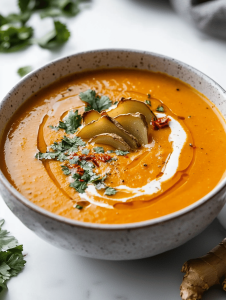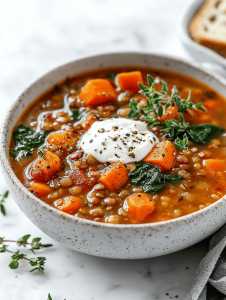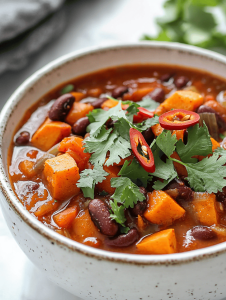

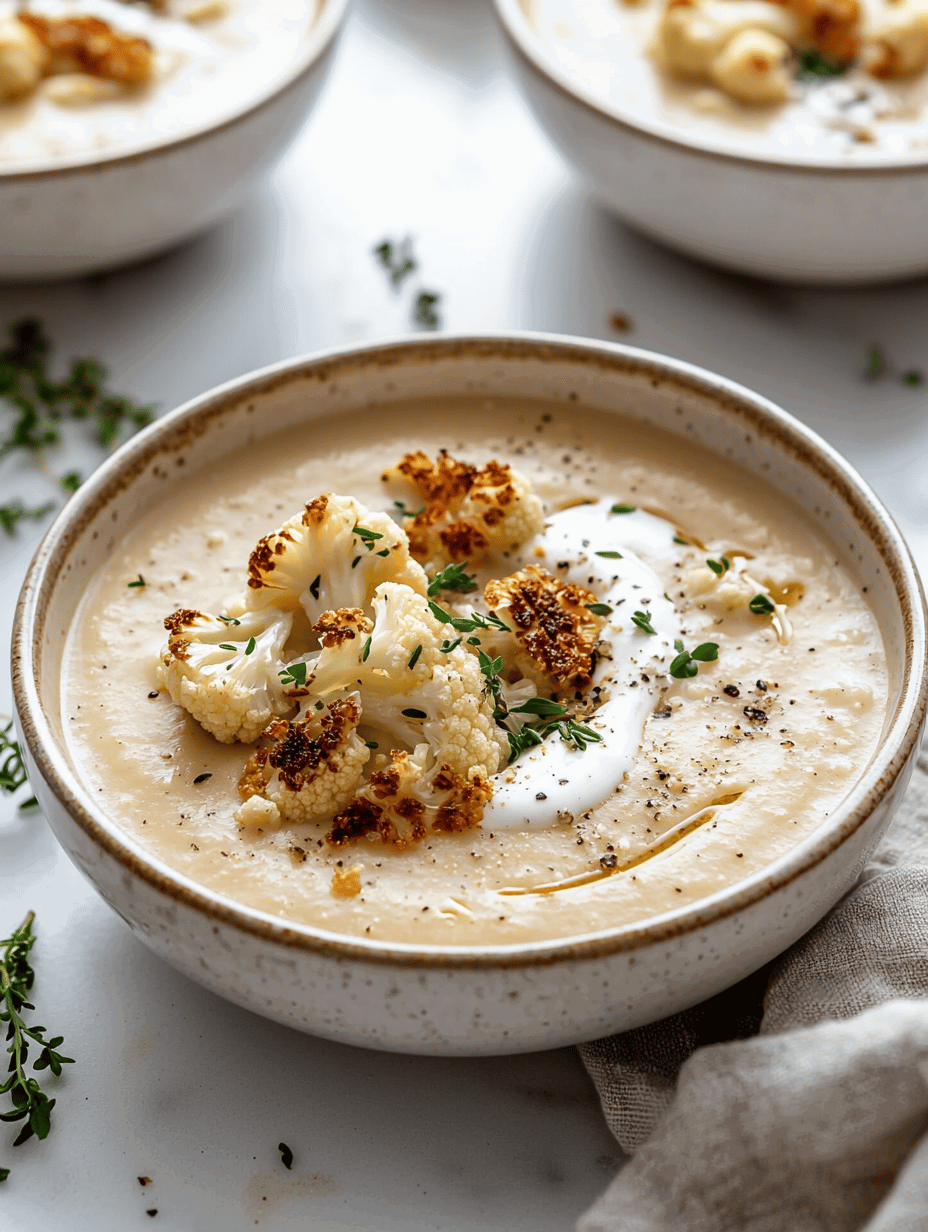

Roasting the cauliflower and garlic gives this soup a deeper flavor than boiling the vegetables. Once blended with broth, the roasted garlic adds a mellow richness, while black pepper keeps the flavor balanced.
It is an easy fall soup to make with just a few ingredients, and you can serve it as a light lunch, starter, or side with toasted bread.
Why You’ll Want to Make This Soup
- Roasted, Not Boiled: High-heat roasting brings out more flavor from the cauliflower.
- Simple Ingredient List: You only need a few everyday ingredients.
- Easy to Blend: An immersion blender or regular blender works well.
- Flexible Finish: Add crème or coconut milk if you want a richer bowl.
- Good for Different Diets: Use vegetable broth for a vegetarian version.
- Works as a Starter or Meal: Serve smaller portions as a starter or pair it with bread for lunch.
Ingredient Notes & Substitutions

- Cauliflower: Choose a firm, fresh head with tightly packed florets. Frozen cauliflower can also work, although it may not brown quite as well.
- Garlic: Keep the cloves in their skins while roasting so they soften without burning.
- Broth: Vegetable broth works for a vegetarian soup, while chicken broth adds a slightly richer taste.
- Olive Oil: Helps the cauliflower brown properly during roasting.
- Crème or Coconut Milk: Both are optional. Crème adds dairy richness, while coconut milk gives the soup a slightly different flavor.
- Black Pepper: Freshly ground pepper adds a little bite and balances the roasted vegetables.
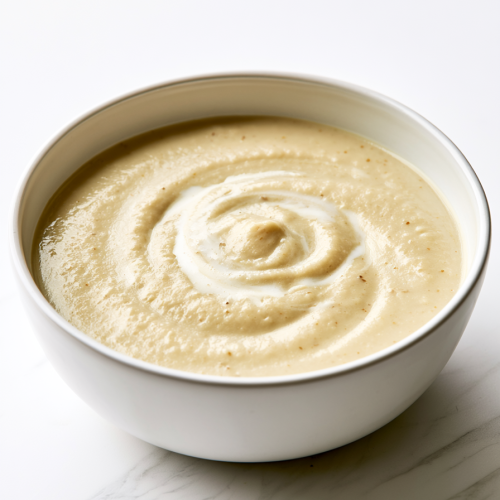
Roasted Cauliflower and Garlic Soup
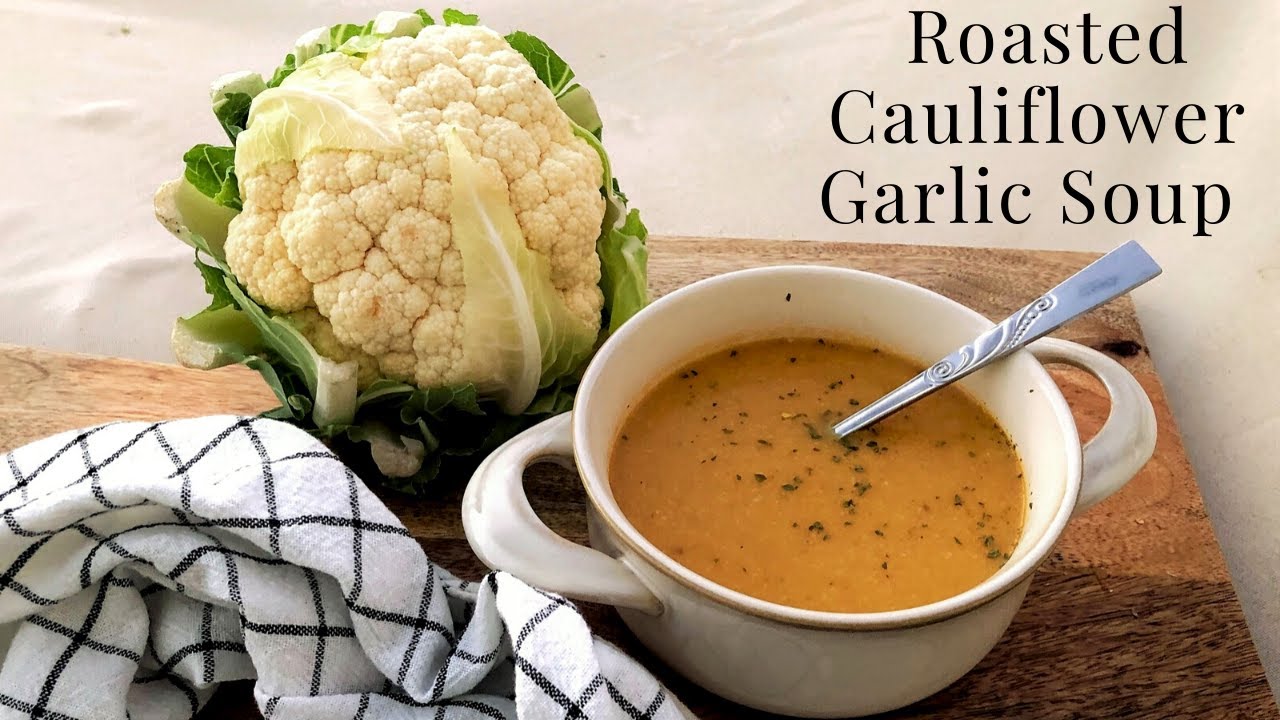
This soup features cauliflower and garlic that are roasted at high heat until caramelized, bringing out their natural sweetness and smoky flavor. The roasted vegetables are blended into a smooth, velvety texture with a rich, inviting aroma. It results in a warm, comforting bowl with a slightly chunky, rustic appearance and a deep golden hue.
Equipment
- Baking sheet
- Blender (or immersion blender)
- Large pot
Ingredients
- 1 head cauliflower cut into florets
- 4 cloves garlic still in their skins
- 2 tablespoons olive oil for roasting
- 4 cups vegetable or chicken broth for blending the soup
- 1 teaspoon salt to taste
- ½ teaspoon black pepper freshly ground
- optional crème or coconut milk for serving, optional
Instructions
- Preheat your oven to 425°F (220°C). Place cauliflower florets and whole garlic cloves on a baking sheet, then drizzle with olive oil and toss to coat evenly.
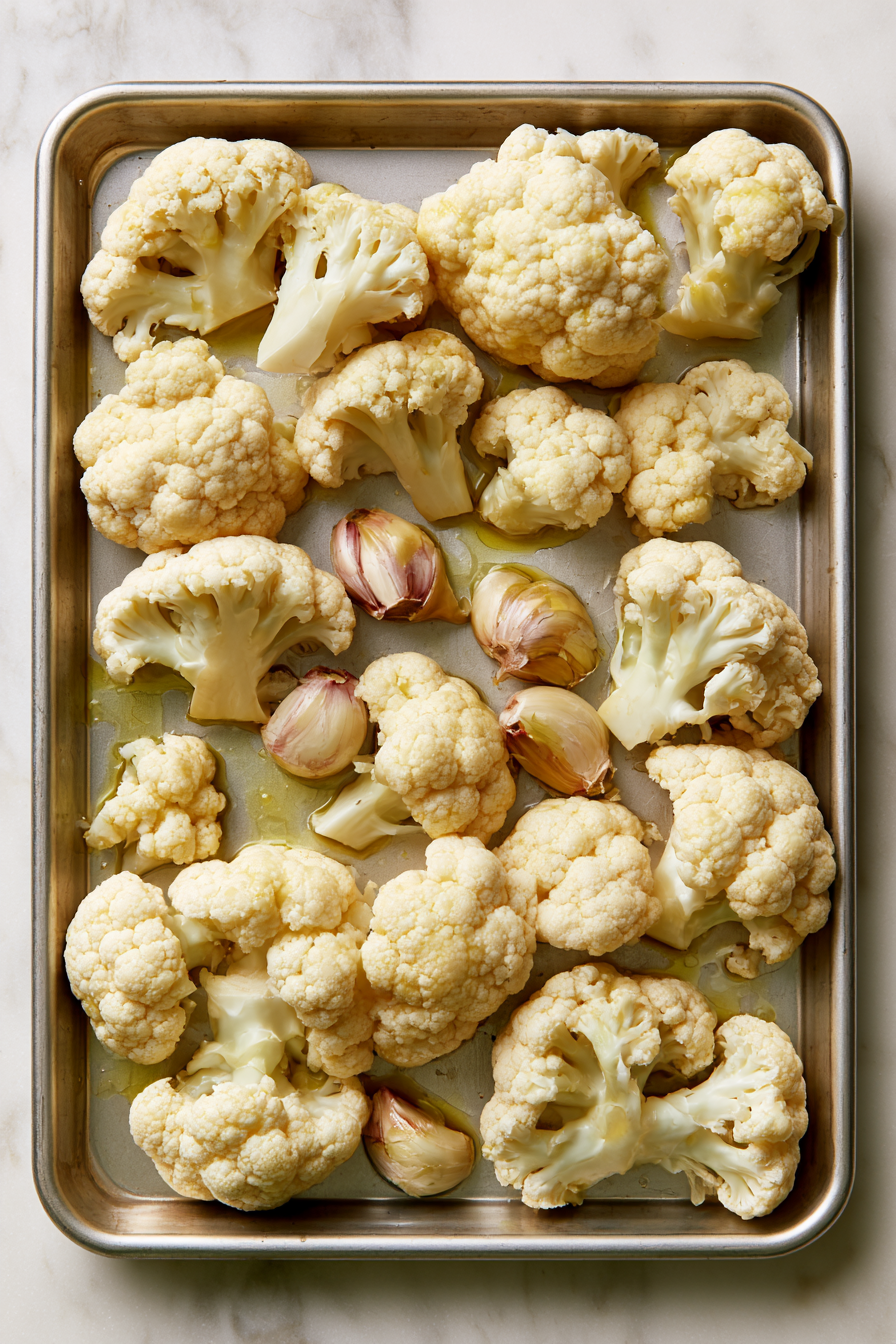
- Roast in the oven for about 25-30 minutes, or until the cauliflower is golden brown and tender, and the garlic is soft and fragrant.
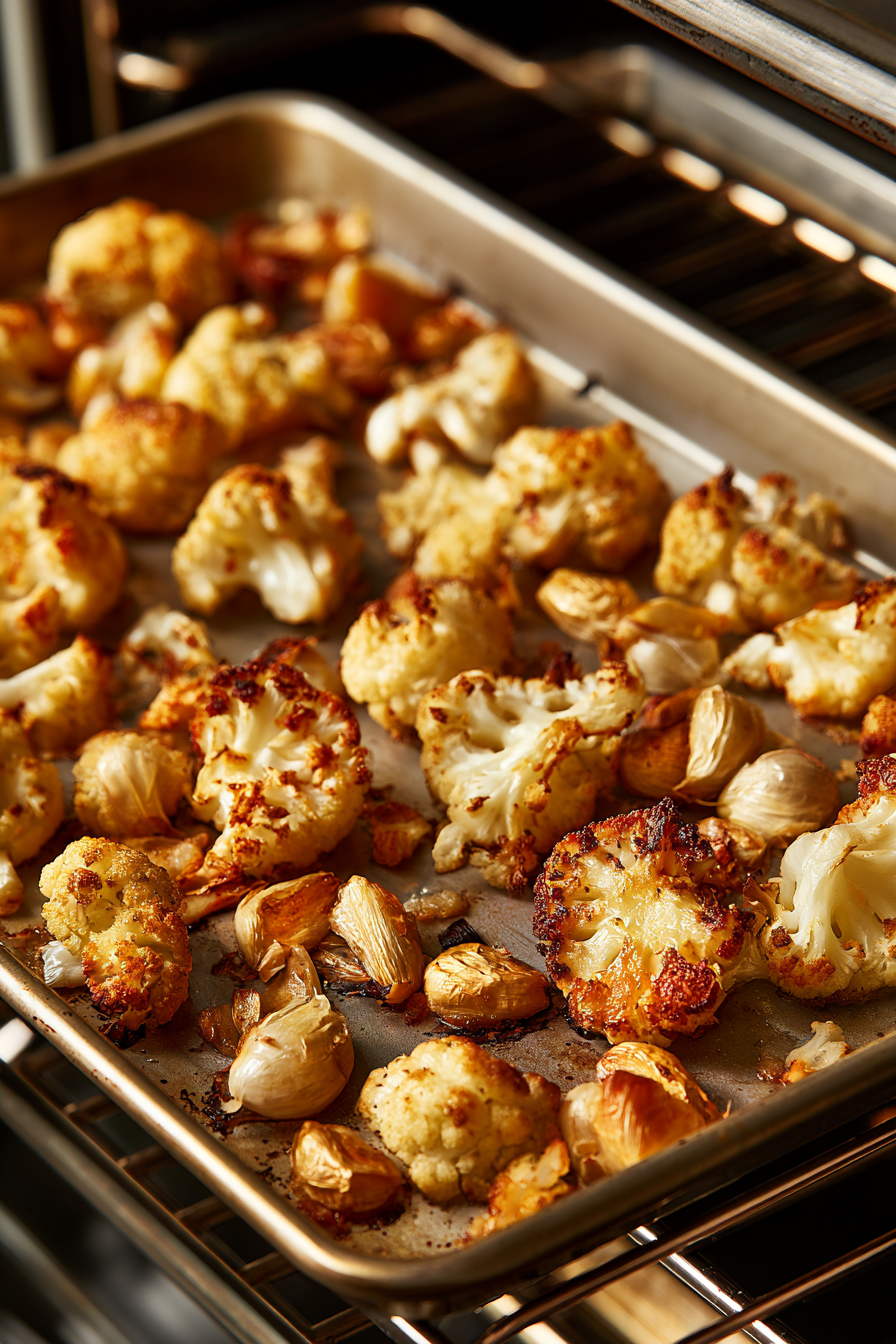
- Remove from the oven and let cool slightly, so the cauliflower is safe to handle.
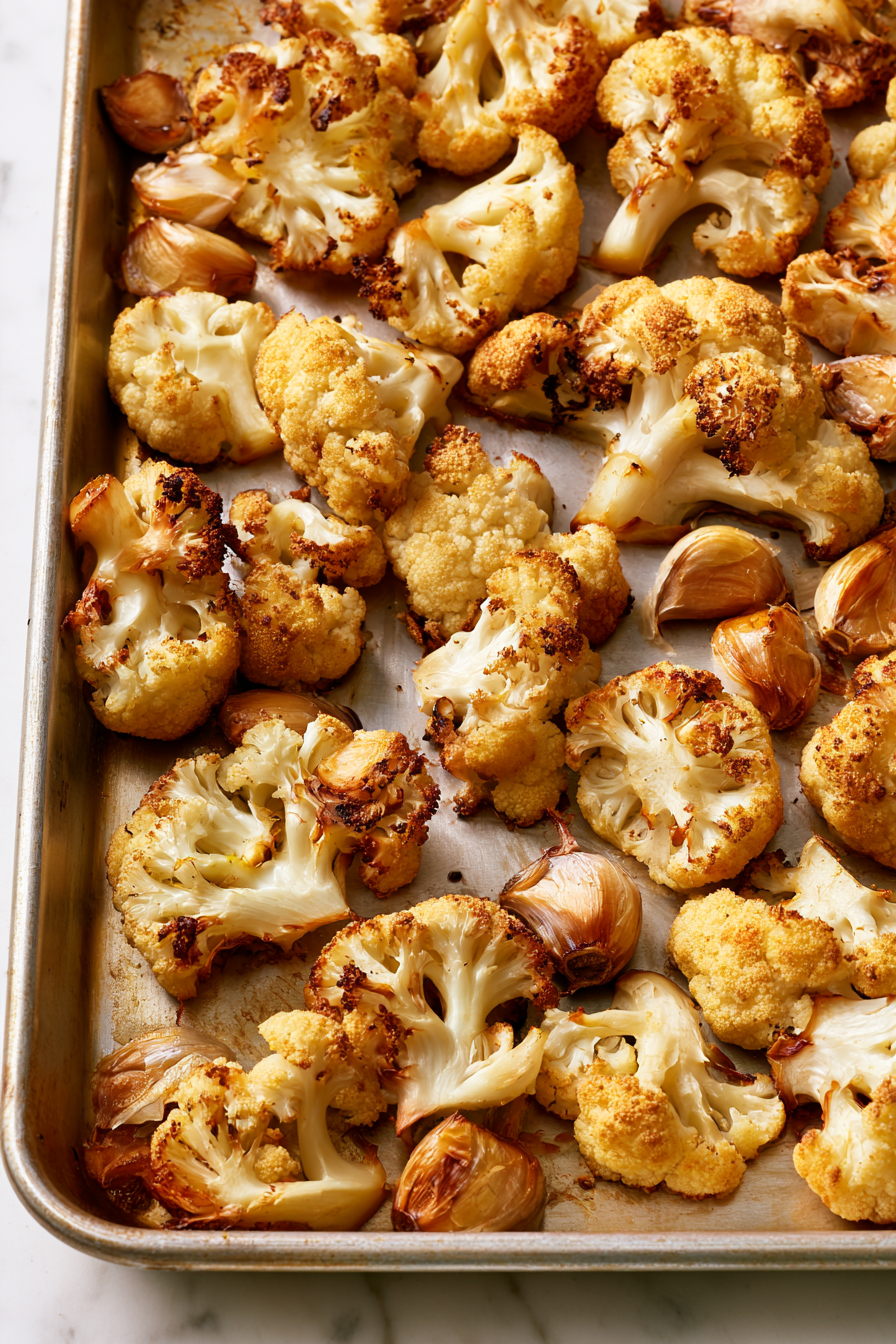
- Squeeze the roasted garlic cloves out of their skins into a blender or directly into a large pot if using an immersion blender. Add the roasted cauliflower.
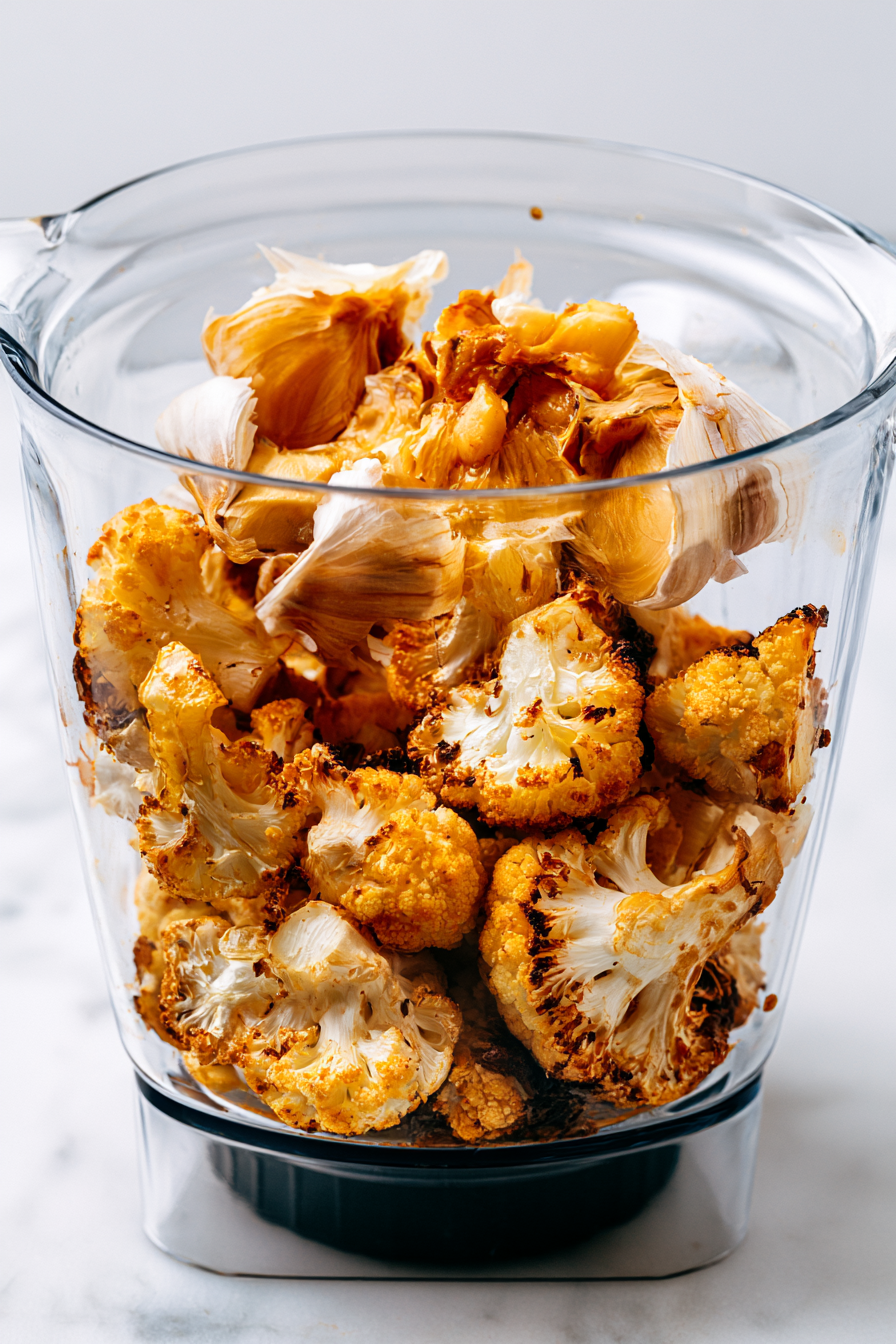
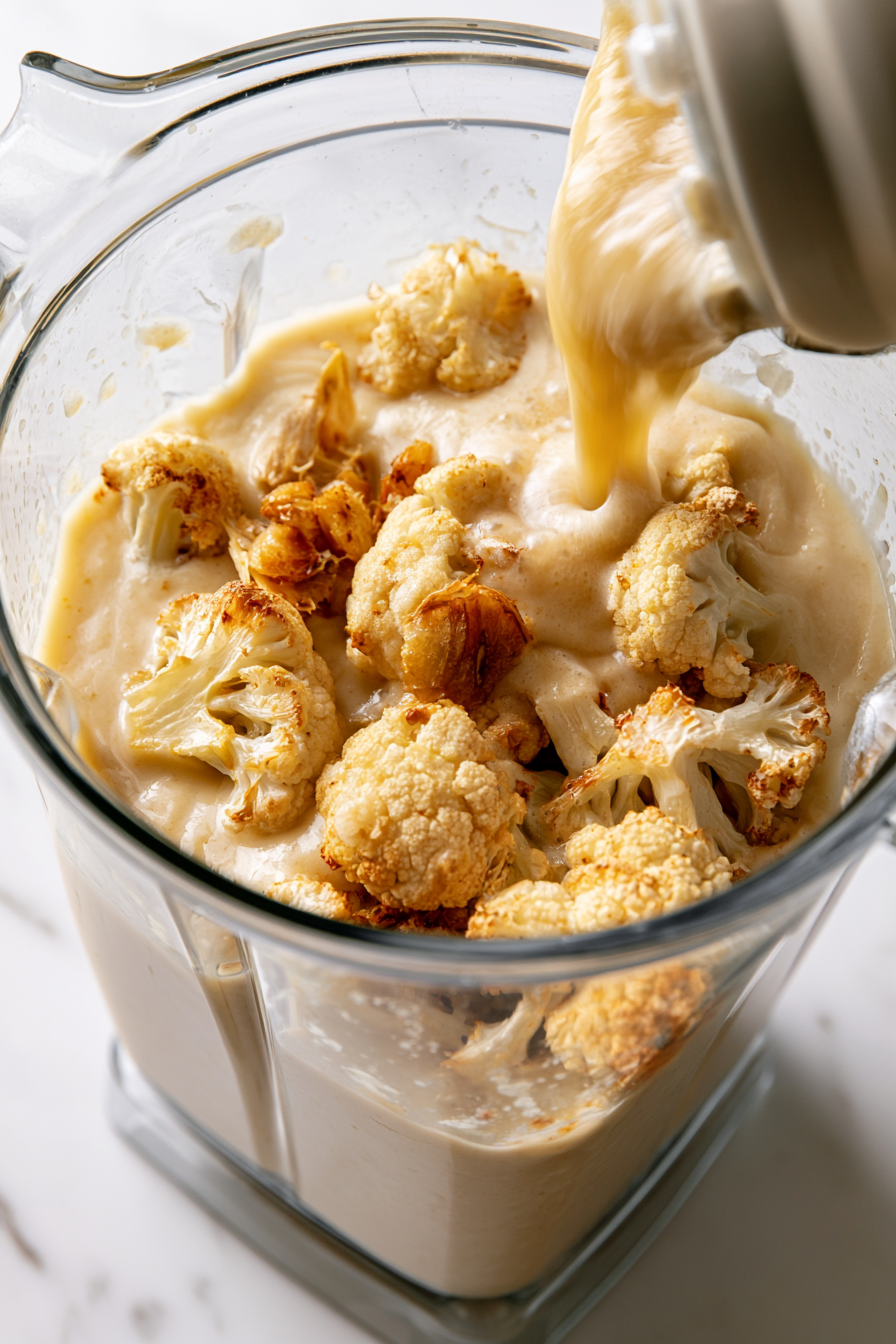
- Add the vegetable broth to the blender, then blend until smooth and creamy. Alternatively, transfer the roasted vegetables to a pot and use an immersion blender to purée right in the pot.
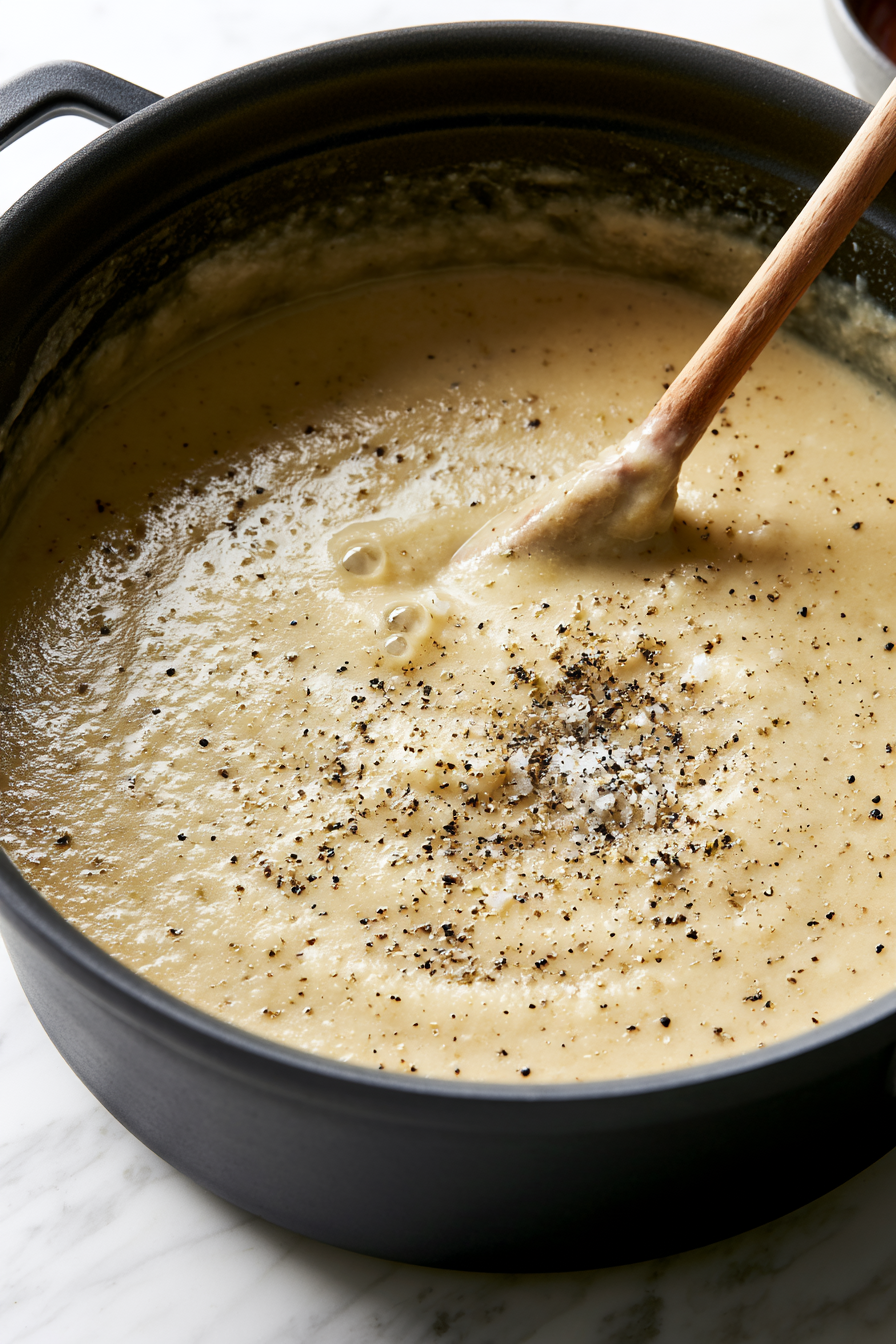
- Pour the blended mixture into a large pot (if not already in one) and gently heat over medium heat. Season with salt and black pepper, stirring to combine.
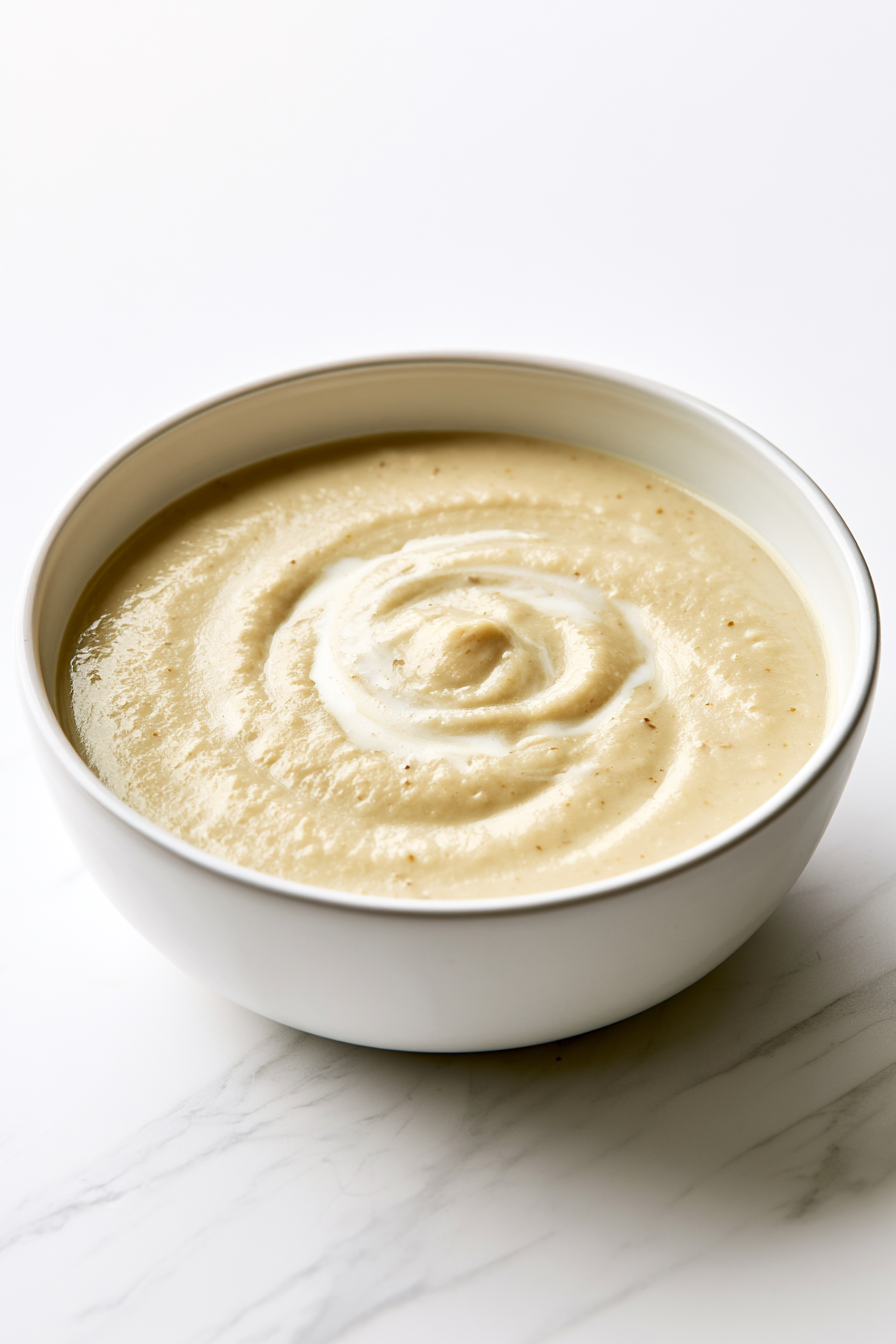
- Once heated through and flavorful, ladle the soup into bowls. Optionally, swirl in a spoonful of crème or coconut milk for extra creaminess.
Nutrition Information
| Nutrient | Per Serving |
|---|---|
| Calories | 150 kcal |
| Carbohydrates | 14 g |
| Protein | 5 g |
| Fat | 9 g |
| Fiber | 4 g |
| Sugar | 4 g |
| Sodium | 520 mg |
Tips for the Best Results
- Don’t Overcrowd the Pan: Give the cauliflower enough room to brown.
- Roast Until Golden: Pale cauliflower won’t have the same depth of flavor.
- Keep the Garlic in Its Skin: This protects it while roasting.
- Blend Until Smooth: Give the soup enough blending time for a creamy consistency.
- Taste at the End: Broth can vary in saltiness, so adjust the seasoning after blending.
- Thin as Needed: Add a little extra broth if the soup is thicker than you like.
Creative Ways to Use Leftover Soup
- Pasta Sauce: Reduce the soup over low heat and toss it with pasta.
- Rice or Grain Bowl: Spoon it over cooked rice, quinoa, or farro.
- Vegetable Base: Use it as a sauce for roasted vegetables.
- Creamy Casserole: Mix a reduced amount with cooked vegetables or grains before baking.
- Dip: Cook it down until thick and serve with toasted bread.
- Soup Starter: Add cooked beans, potatoes, or shredded chicken to make another meal.
More Fall Soup Recipes
- Roasted Pumpkin Soup
- Roasted Butternut Squash Soup
- Butternut Squash and Ginger Soup
- Roasted Fennel and Pumpkin Autumn Soup
- Chicken and Rice Soup with Cinnamon and Thyme
Storage Guide
| Method | Storage Time | Instructions |
|---|---|---|
| Refrigerator | Up to 4 days | Keep in an airtight container and refrigerate once cooled. |
| Freezer | Up to 3 months | Freeze in individual portions for easier reheating. |
| Reheating | As needed | Warm gently on the stovetop, stirring occasionally. |
| Make Ahead | Up to 2 days | Prepare the soup in advance and refrigerate until needed. |
| After Reheating | Same day | Add a splash of broth if the soup has thickened. |
Frequently Asked Questions
- Can I use frozen cauliflower for this soup?
Yes. Frozen cauliflower can be roasted directly from frozen, though it may need a little extra time to brown. - How can I make the soup more flavorful without adding cream?
Try adding roasted herbs, a squeeze of lemon juice, grated Parmesan, or a pinch of smoked paprika. - Can I make this soup completely vegan?
Yes. Use vegetable broth and coconut milk, or simply leave out the optional crème. - Why does roasted cauliflower sometimes turn watery?
Excess moisture can prevent proper browning. Pat fresh cauliflower dry and avoid overcrowding the baking sheet. - Can I add other vegetables to this soup?
Yes. Roasted carrots, potatoes, leeks, or onions can be blended with the cauliflower for a different version. - What type of bread goes well with cauliflower soup?
Crusty sourdough, garlic bread, baguette, or toasted multigrain bread all pair well with the soup.

hi there,
The Freshman Cook started as a place to keep track of recipes I wanted to make again. Somewhere along the way, it grew into a collection of meals that friends requested, desserts that disappeared too quickly, and weeknight dinners that made life a little easier.
know more