


This Pumpkin Bread Pudding with Gingered Crème Anglaise takes the familiar comfort of bread pudding and gives it a distinctly fall-inspired finish. Day-old bread soaks up a creamy pumpkin custard flavored with cinnamon, nutmeg, and cloves, then bakes until the edges are lightly crisp and the center remains soft.
The real finishing touch is the gingered crème anglaise. Warm milk and cream are infused with ginger before being turned into a silky custard sauce, creating a gentle heat that cuts through the richness of the pumpkin bread pudding.
Why the Crème Anglaise Makes This Dessert Special
Bread pudding is already rich and creamy, so the sauce needs to add something beyond sweetness. Ginger does exactly that.
Infusing the milk and cream allows the ginger flavor to spread evenly through the sauce without leaving pieces of spice throughout the finished dessert. The result is a smooth sauce with a warm, aromatic finish that complements the cinnamon, nutmeg, and cloves in the pudding.
The sauce also provides a temperature contrast. Warm bread pudding with cool or slightly warm crème anglaise makes the dessert feel more layered than a simple baked pudding.
Choosing the Right Bread

Day-old or stale white bread works particularly well because it has already lost some of its moisture. That gives the cubes room to absorb the pumpkin custard without immediately collapsing.
If your bread is fresh, spread the cubes on a baking sheet and dry them in the oven for 10–15 minutes before assembling the pudding.
You want the finished cubes to be tender throughout, but still recognizable as pieces of bread rather than becoming completely mushy.
How to Get a Creamy Center
The ideal bread pudding has a useful contrast between the edges and center. The surface and edges should be lightly set and baked, while the middle should remain soft and moist.
Letting the bread sit in the custard for 10 minutes before baking gives it time to absorb the mixture more evenly. Press the cubes down gently so they make contact with the custard, but don’t compress them tightly.
Most importantly, avoid overbaking. The center should be set but still have a slight softness when the pudding comes out of the oven.
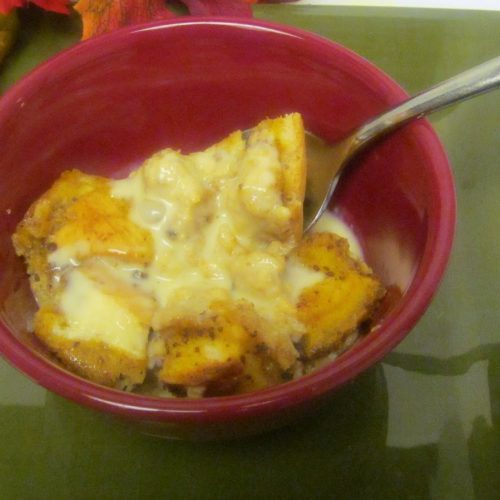
Pumpkin Bread Pudding with Gingered Crème Anglaise
Equipment
- 13×9-inch baking dish
- Large mixing bowl
- Saucepan
- Whisk
- Wooden spoon
- Fine-Mesh Sieve or Cheesecloth
- Baking sheet
Ingredients
Pumpkin Bread Pudding
- 4 cups stale or day-old white bread cut into cubes
- 4 large eggs
- 3 large egg yolks
- 1½ cups whole milk
- 1½ cups heavy whipping cream
- ¾ cup pumpkin puree
- 1 cup granulated sugar
- ¼ teaspoon salt
- 1 tablespoon vanilla extract
- 1 teaspoon ground cinnamon
- ¼ teaspoon ground nutmeg
- ¼ teaspoon ground cloves
- 1 tablespoon unsalted butter for the baking dish and topping
Gingered Crème Anglaise
- 1 cup whole milk
- 1 cup heavy whipping cream
- 1-2 teaspoon ground ginger to taste
- 5 large egg yolks
- ½ cup granulated sugar
- 1 teaspoon vanilla extract
Instructions
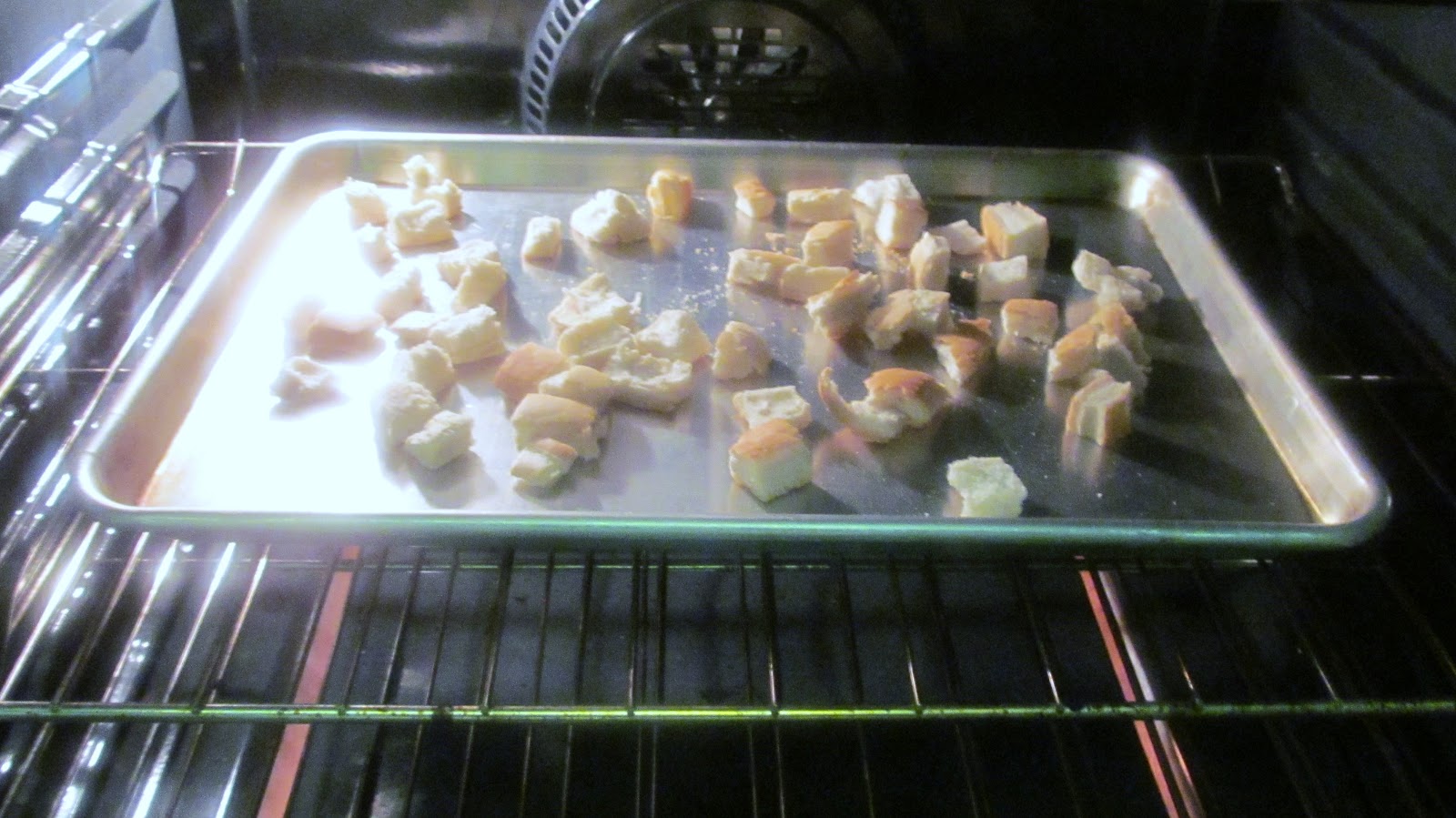
- Preheat oven to 350°F (175°C). If using fresh bread, spread cubes on a baking sheet.
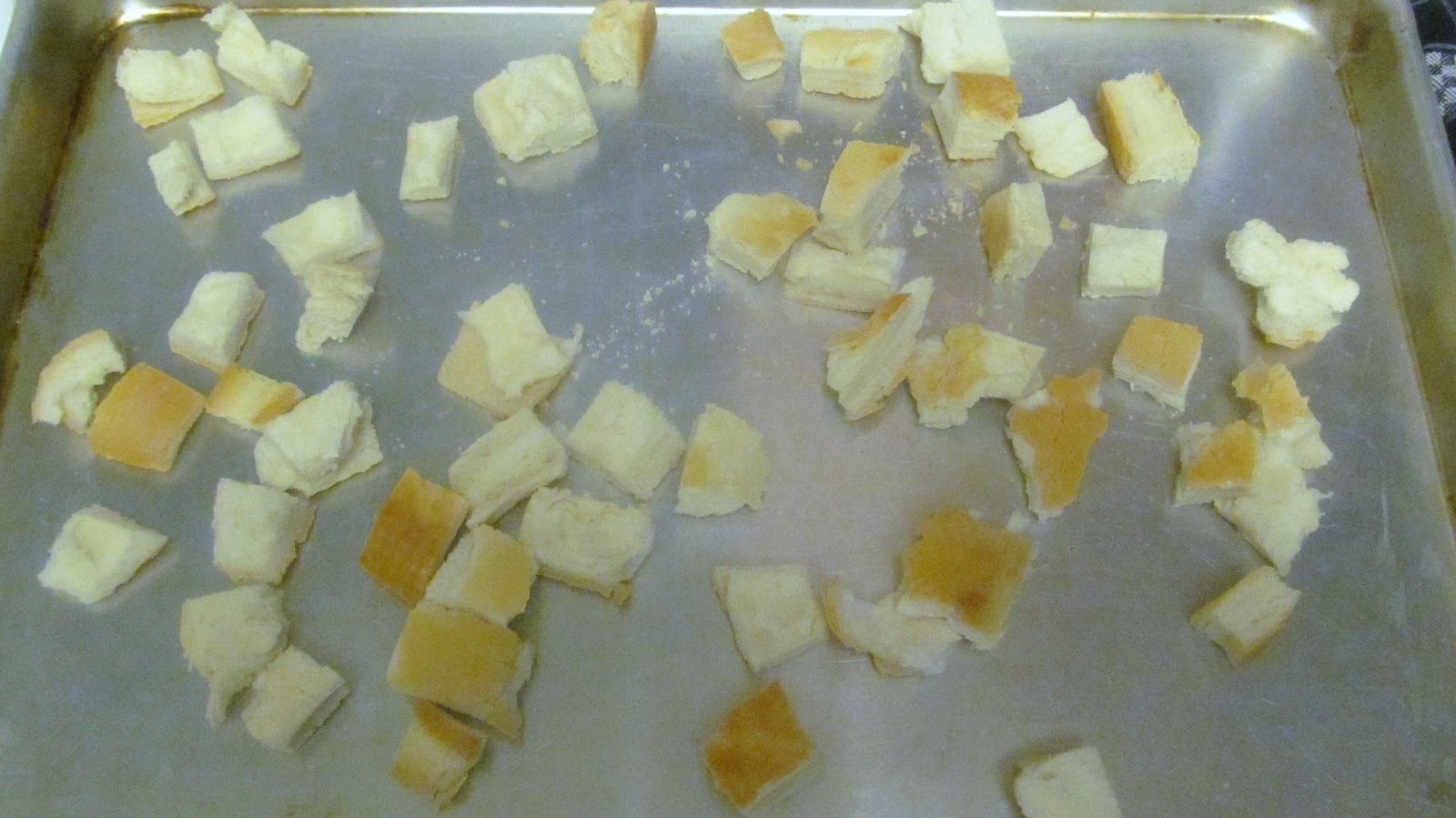
- Dry the bread cues for10-15 minutes. Butter a 13×9-inch baking dish.
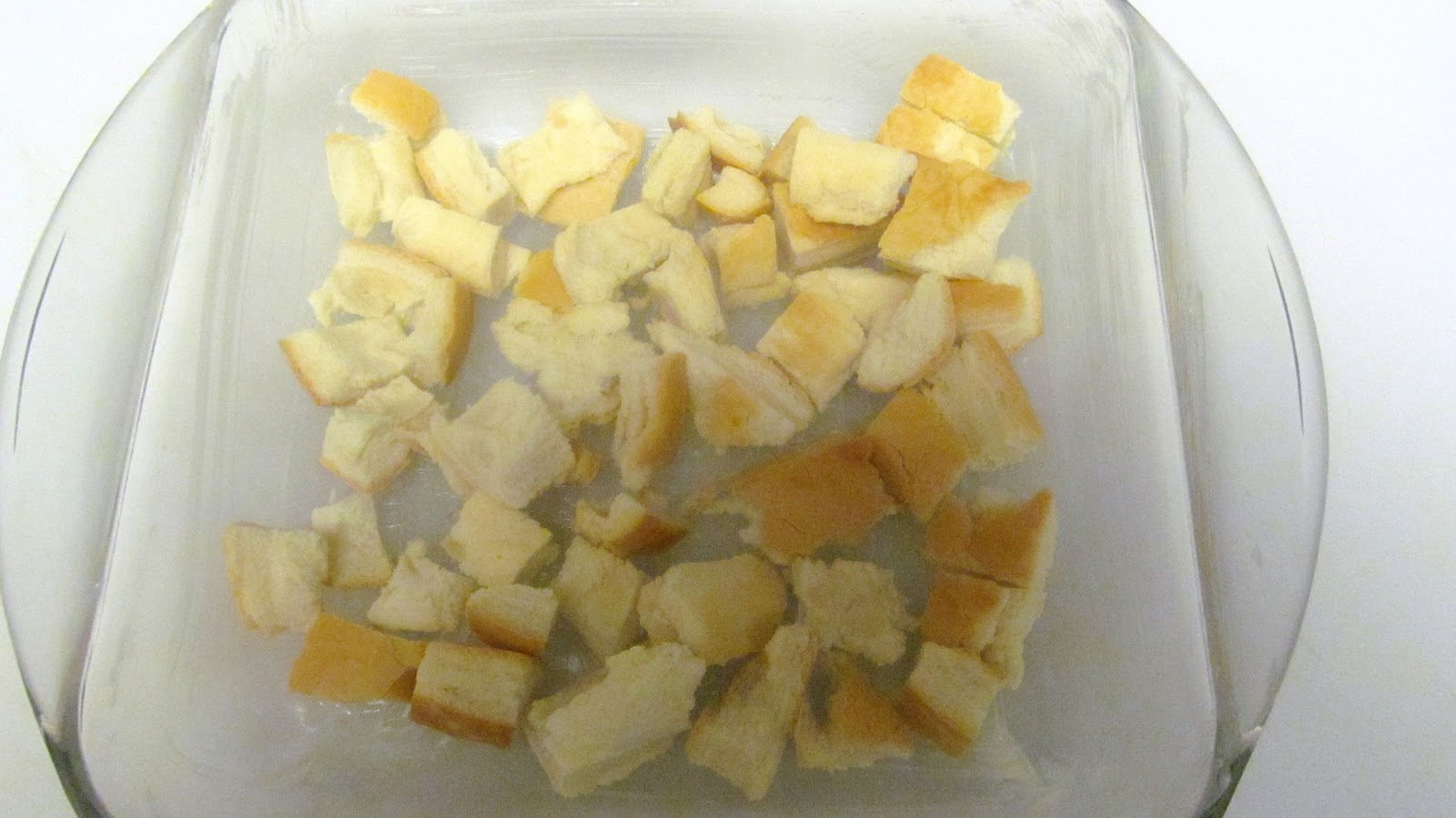
- Place bread cubes in the dish.
- Whisk eggs, egg yolks, milk, cream, pumpkin, sugar, salt, vanilla, cinnamon, nutmeg, and cloves until smooth.
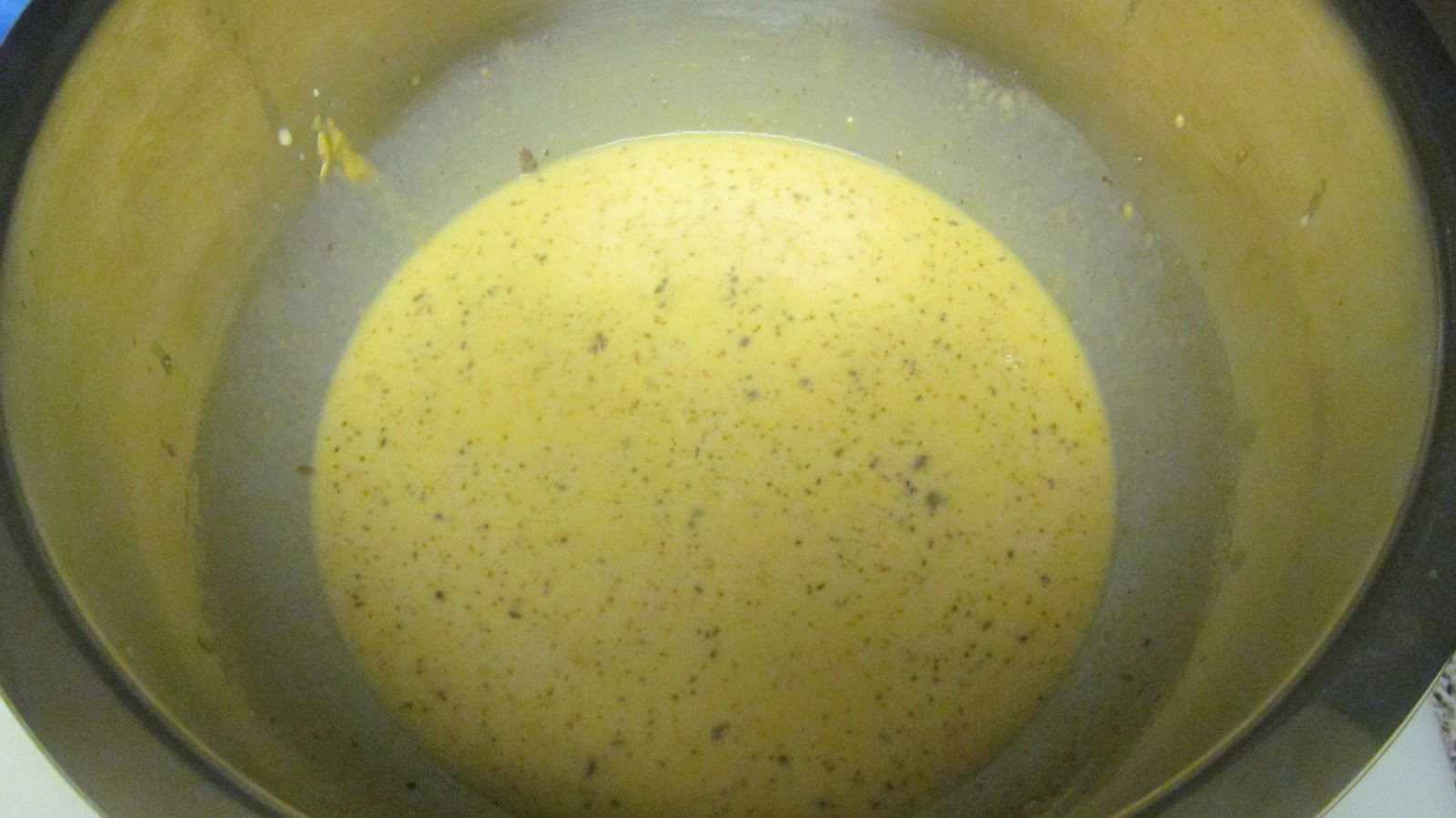
- Pour custard over the bread.
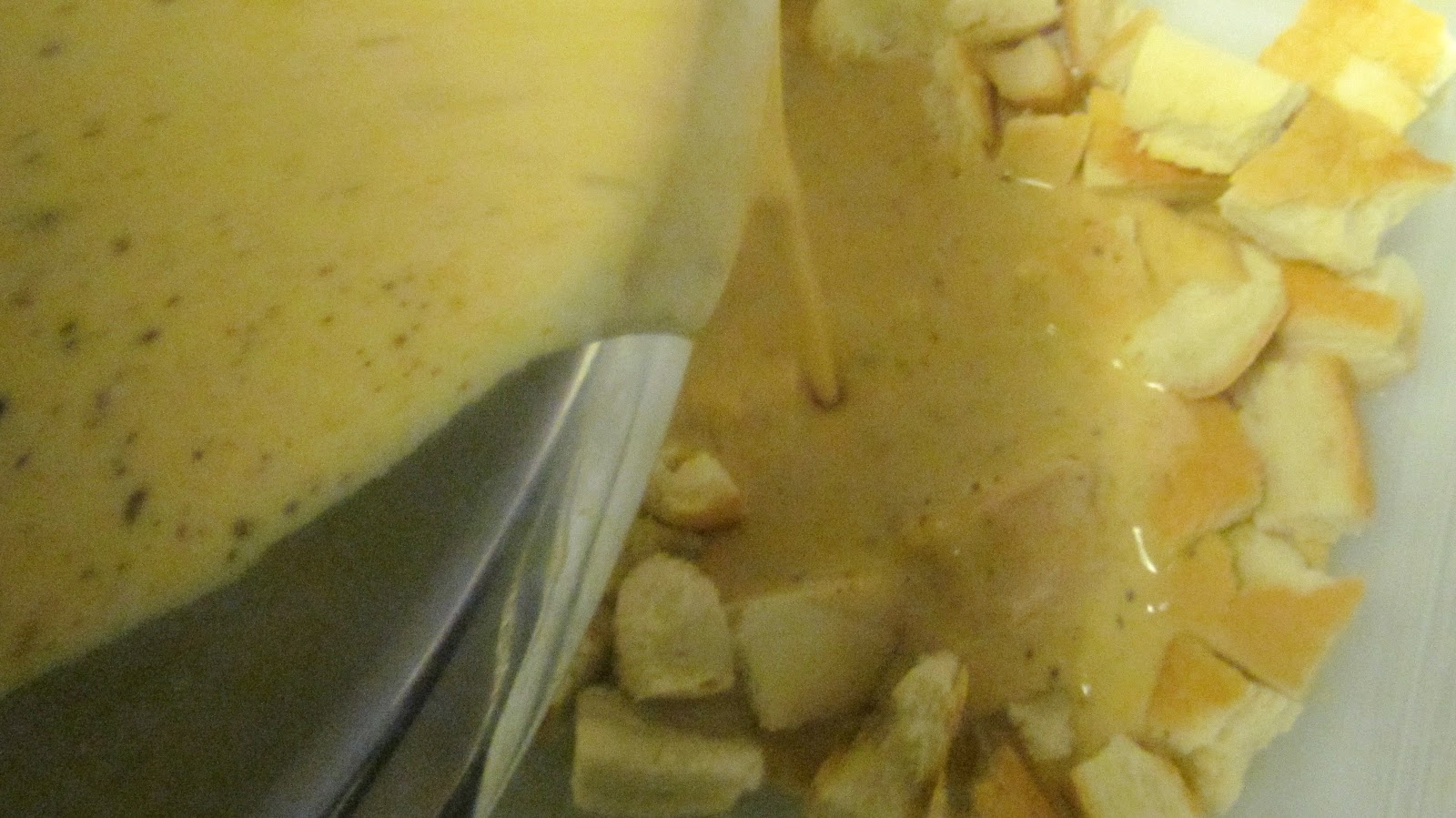
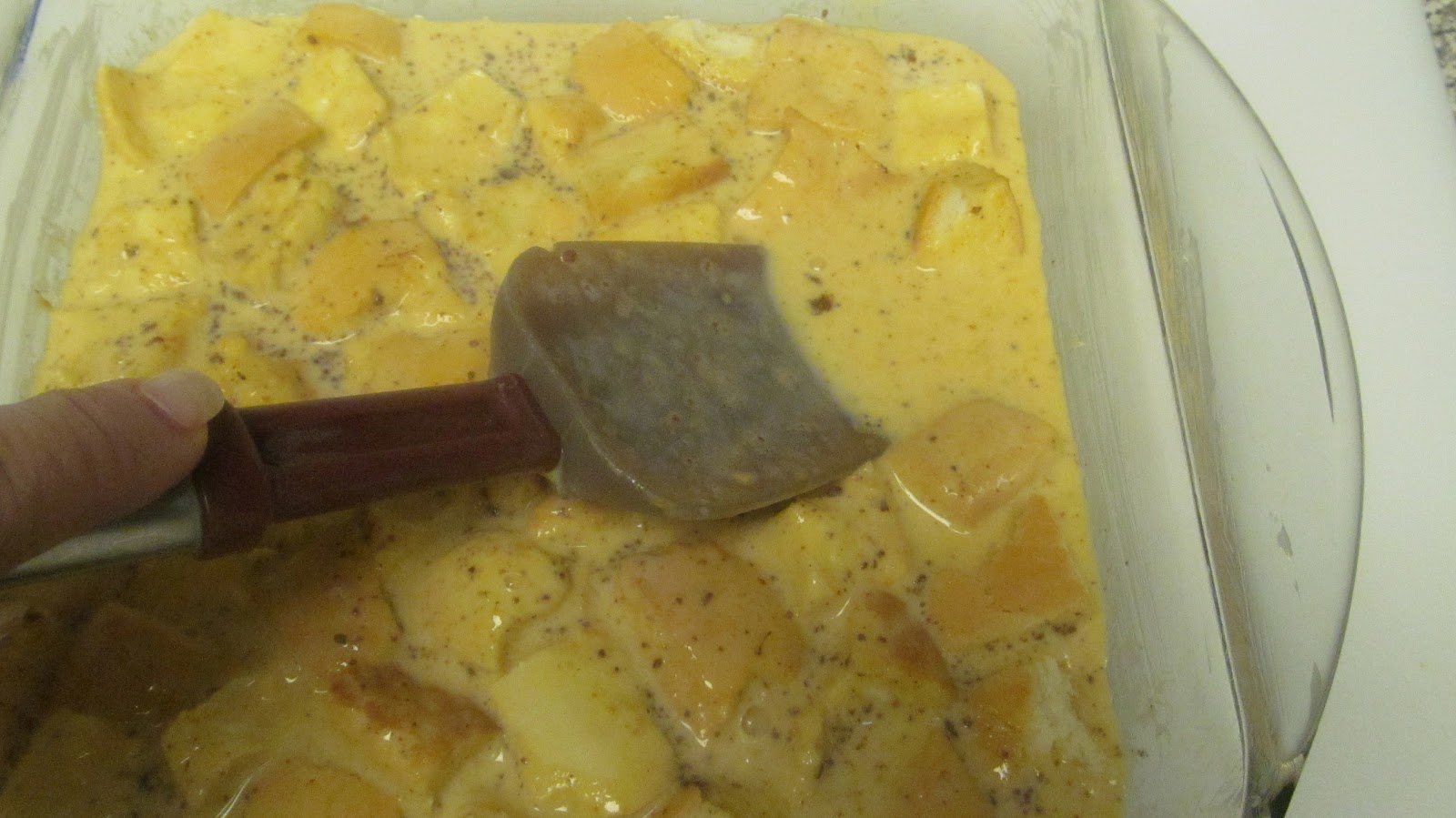
- Pat down all the bread cubes so they are wet. Let sit for 10 minutes to make sure the bread is fully soaked.
- Place the 1 tablespoon of butter on top.
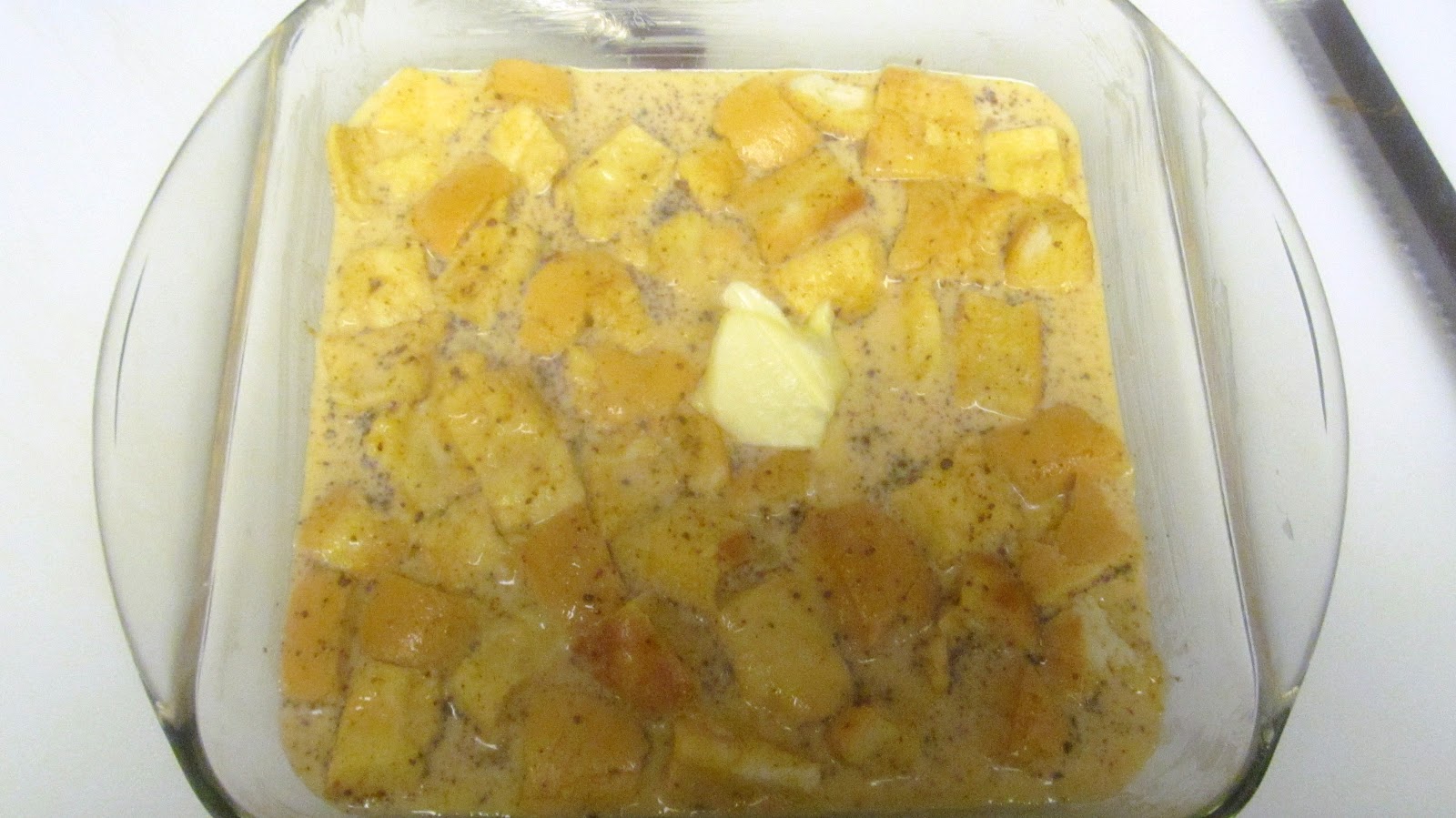
- Bake for 40–50 minutes, until the center is set but still slightly moist. Cool briefly.
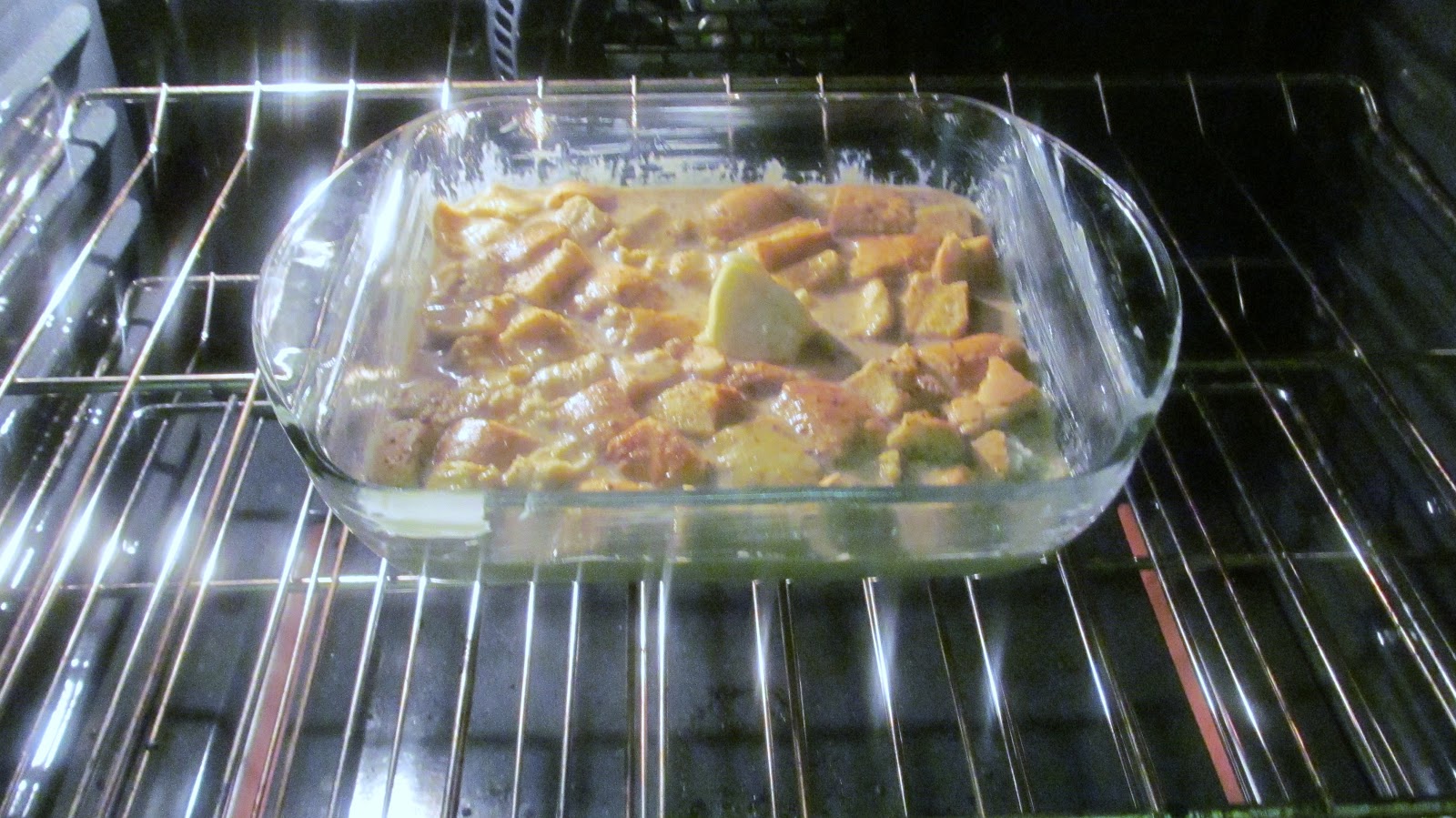
- For the crème anglaise, heat milk, cream, and ginger until just boiling. Remove from heat, cover, and steep for 15 minutes. Strain out the ginger.
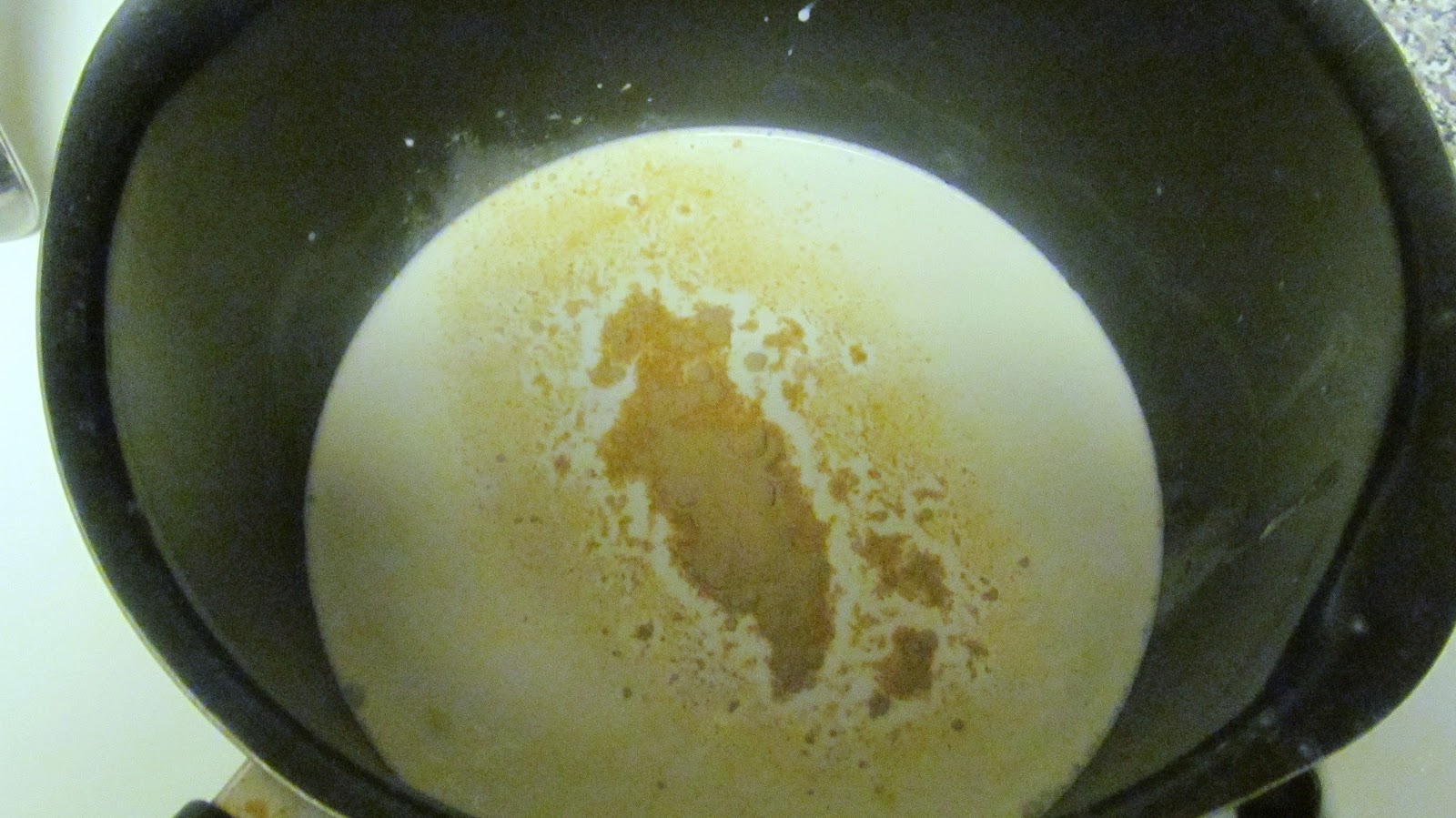
- Whisk egg yolks and sugar for 3–4 minutes, until pale and thick.
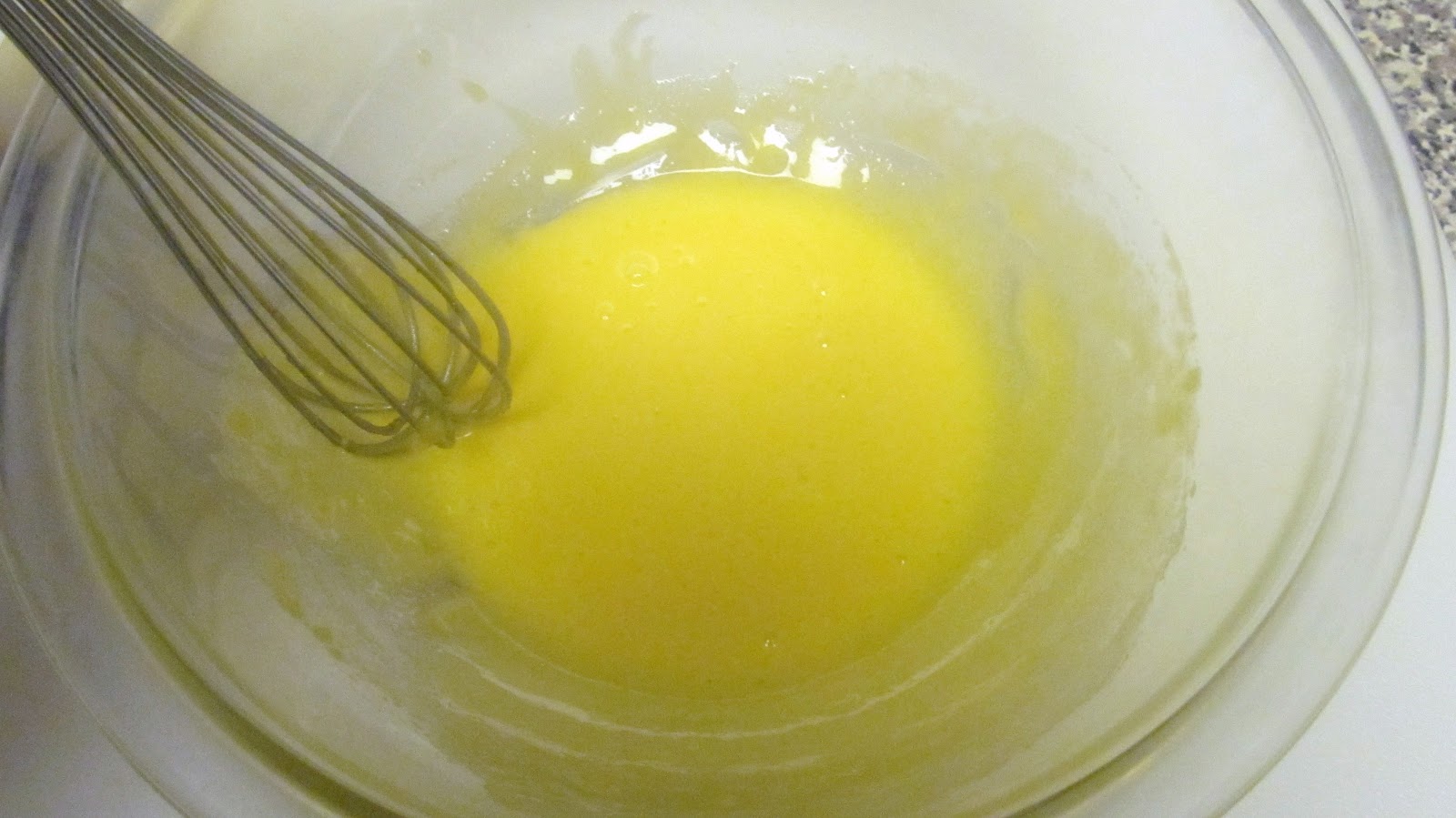
- Strain the cream mixture through a fine sieve or cheesecloth, discarding the ginger.
- Slowly pour the cream mixture into the egg mixture.
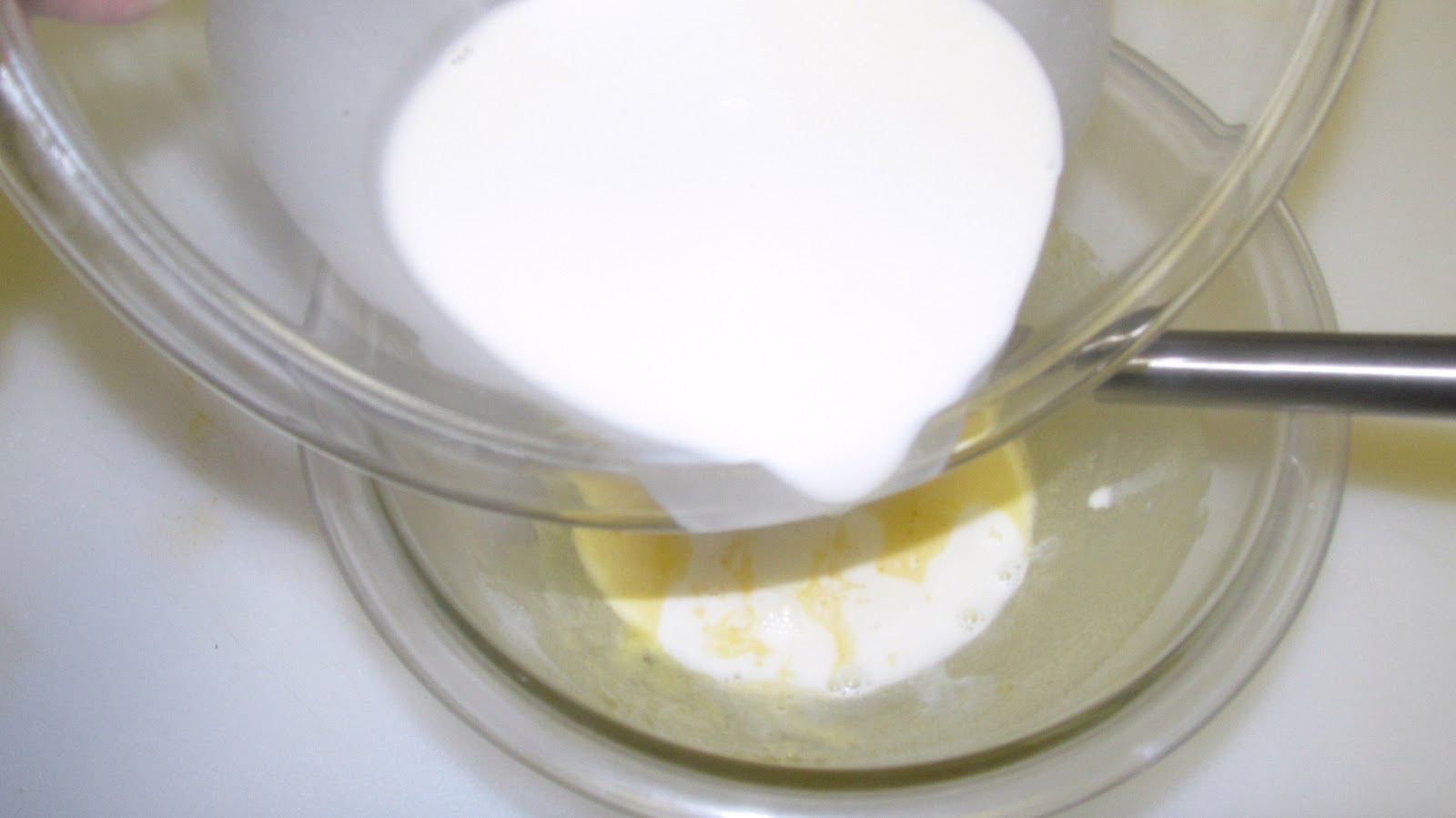
- Stir constantly until blended.
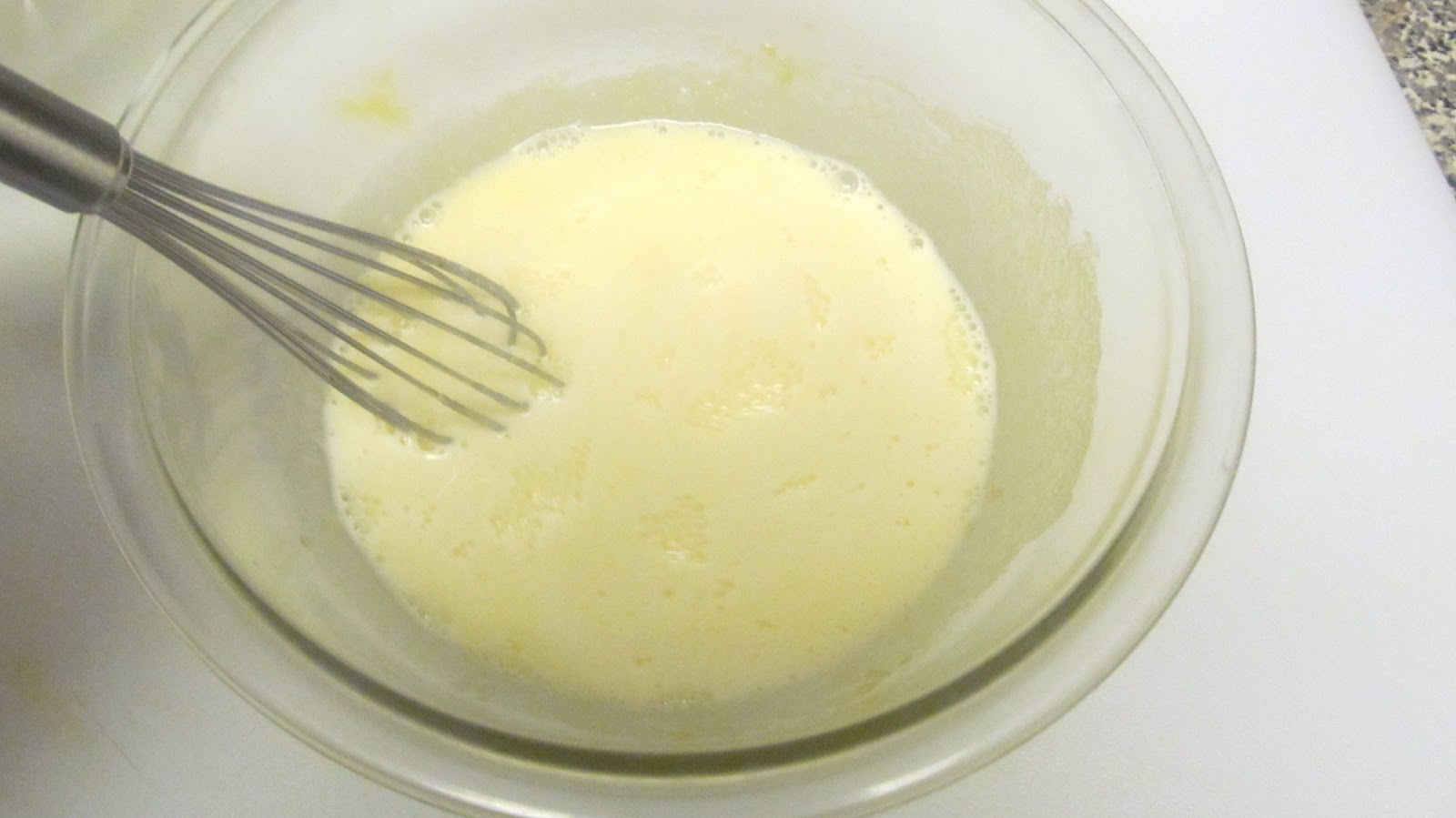
- Return to the saucepan and cook over medium-low heat.
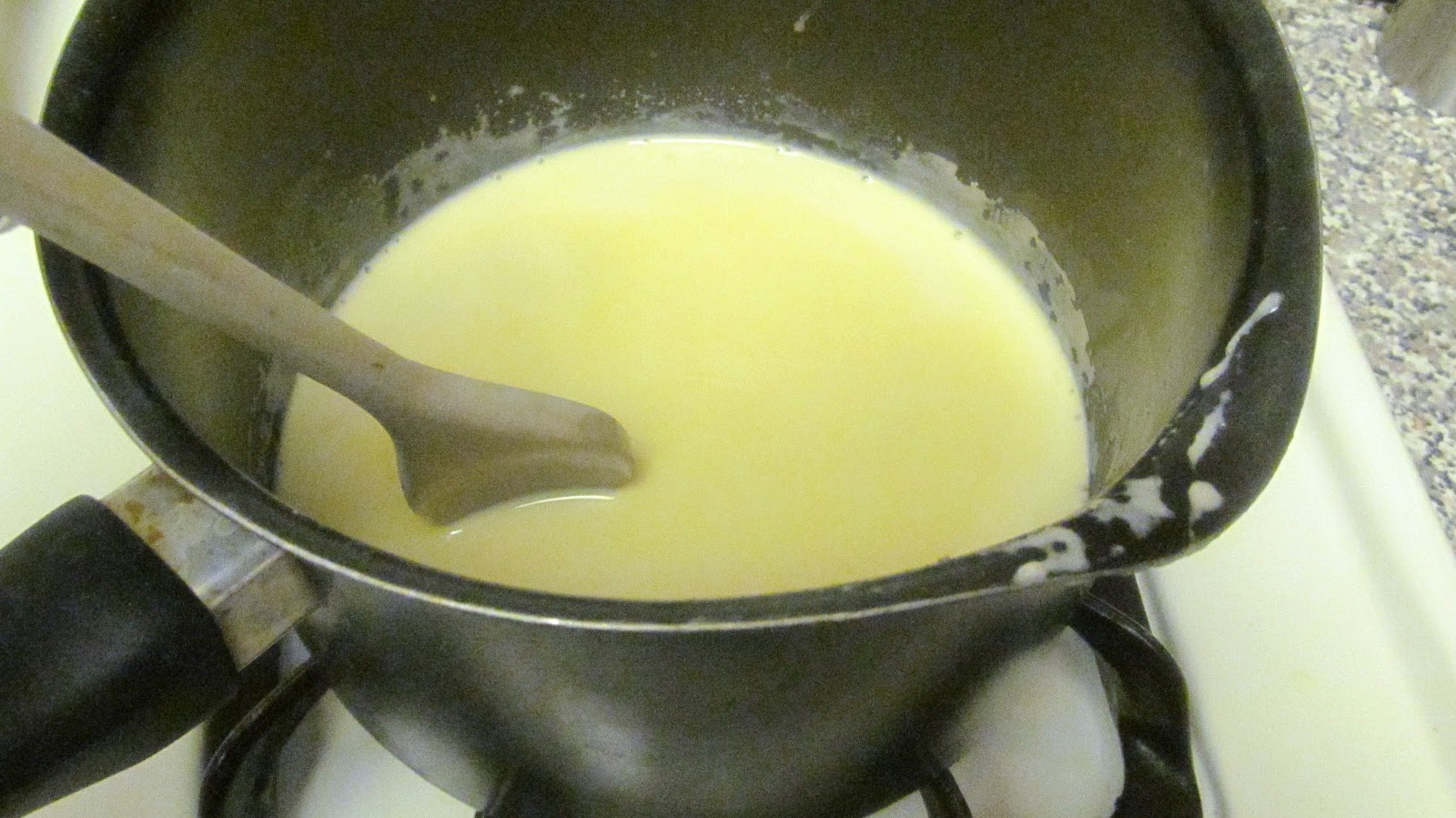
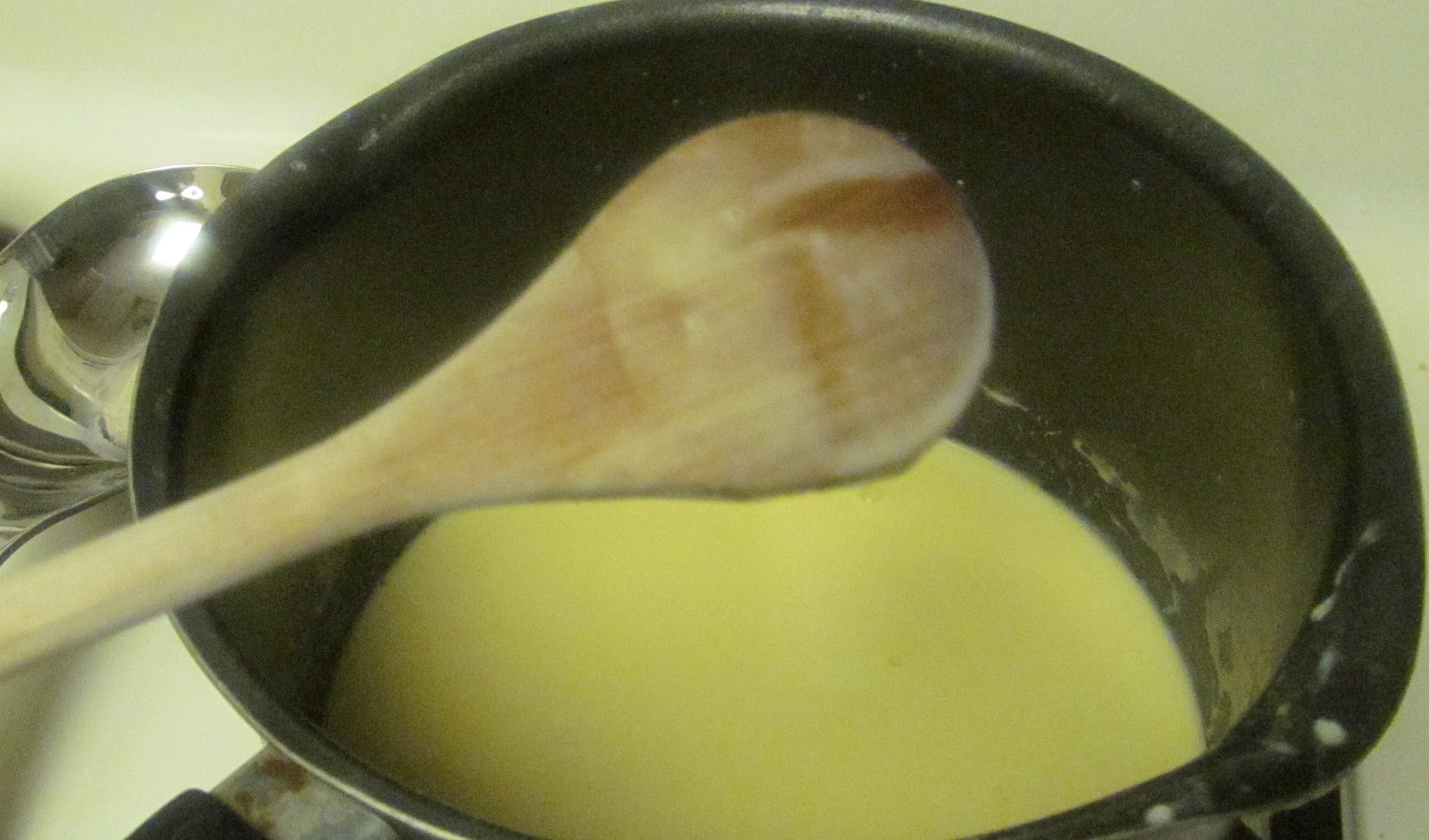
- Stir constantly, until thick enough to coat the back of a spoon. Do not boil.
- Remove from heat and stir in vanilla. Cool slightly before serving.
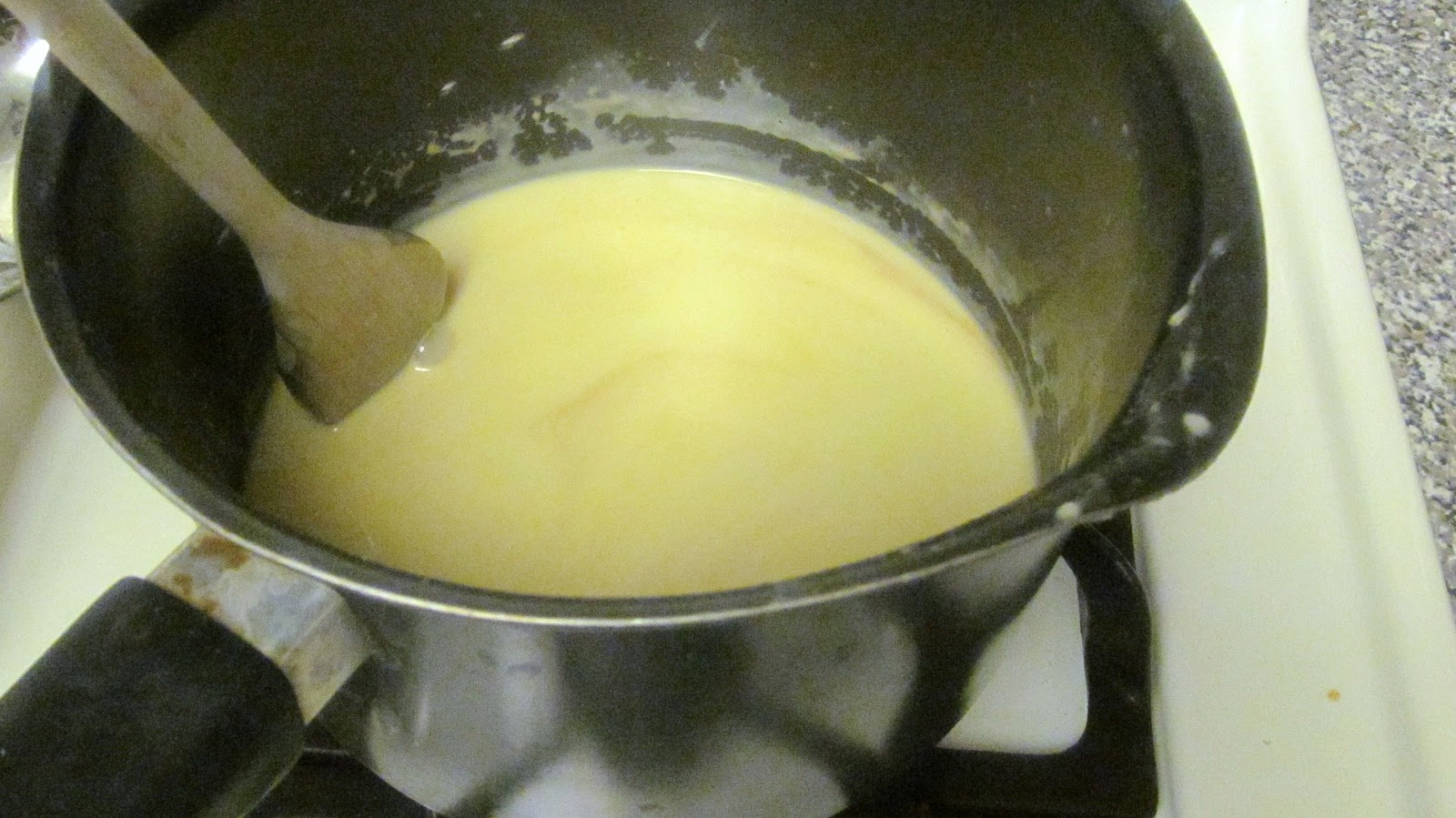
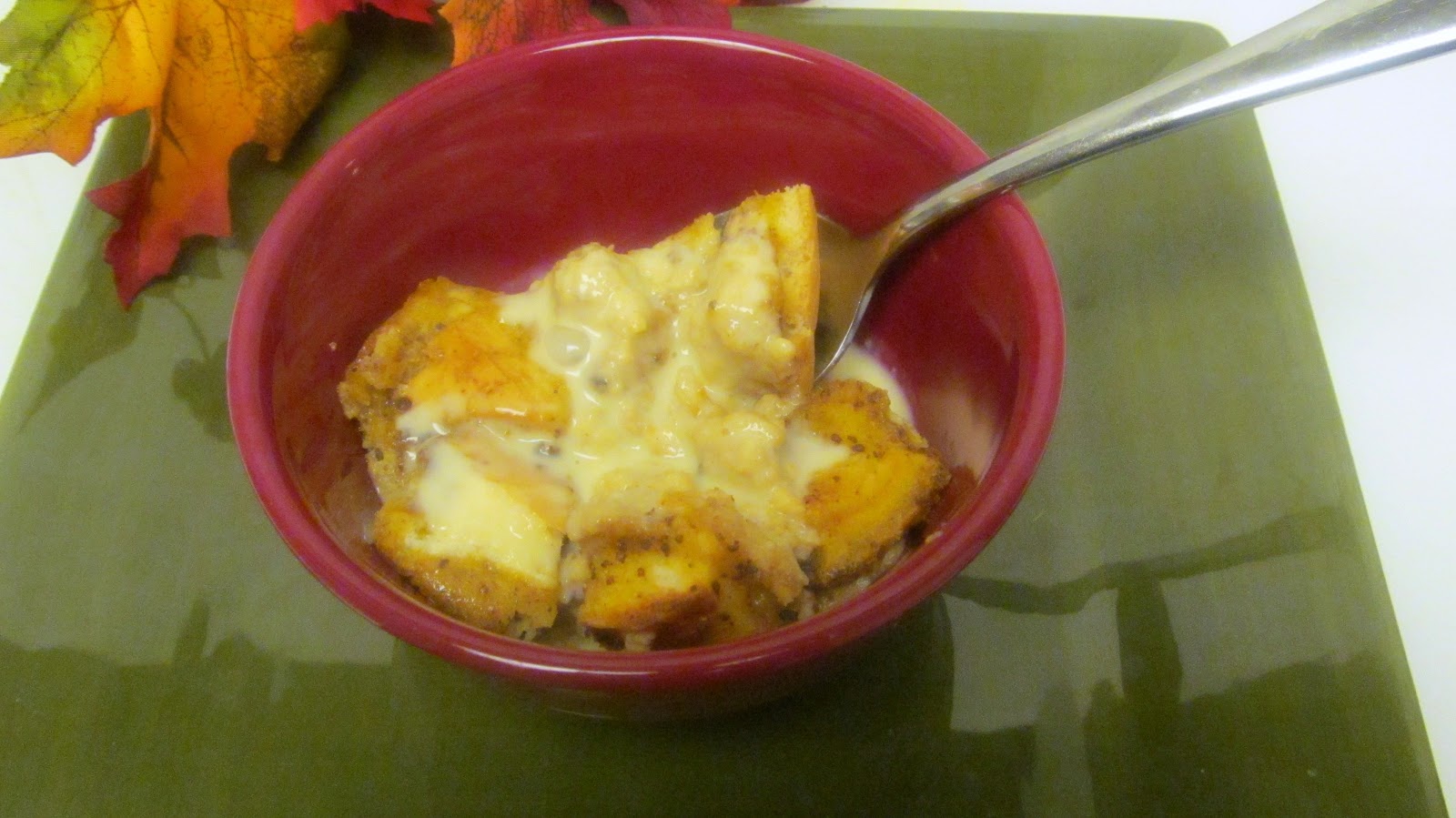
- Serve warm bread pudding with chilled or slightly warm gingered crème anglaise.
Notes
- Use stale bread: Day-old bread absorbs the pumpkin custard better without becoming overly mushy.
- Don’t overbake: The center should be set but still soft and creamy.
- Crème anglaise: Keep the heat low and never let the sauce boil, or the eggs can curdle.
- Ginger: Start with 1 teaspoon and increase to 2 teaspoons for a stronger ginger flavor.
Nutrition Information
| Nutrient | Amount |
|---|---|
| Calories | 430 kcal |
| Carbohydrates | 49 g |
| Protein | 9 g |
| Fat | 23 g |
| Saturated Fat | 13 g |
| Cholesterol | 225 mg |
| Sodium | 260 mg |
| Fiber | 2 g |
| Sugar | 30 g |
Nutrition information is an estimate and will vary depending on the bread, cream, and serving size.
The Crème Anglaise Test That Matters
The easiest way to judge the sauce is the back-of-the-spoon test.
Dip a spoon into the custard and run your finger across the back. If the line remains clearly visible instead of immediately filling in, the sauce has thickened sufficiently.
Keep the heat controlled throughout this step. Crème anglaise is an egg-based sauce, so high heat can cause the yolks to scramble instead of producing a smooth custard.
Common Problems and Easy Fixes
- Mushy Bread Pudding: Use stale bread and avoid letting the bread soak longer than necessary before baking.
- Dry Center: Remove the pudding once the center is set but still slightly moist.
- Curdled Crème Anglaise: Lower the heat and never allow the sauce to boil.
- Thin Sauce: Continue cooking gently until it coats the back of a spoon.
- Strong Ginger Flavor: Start with 1 teaspoon and increase gradually to 2 teaspoons.
Ways to Finish the Bread Pudding
- Pecan: Sprinkle chopped pecans over individual servings for crunch.
- Vanilla Ice Cream: Add a small scoop alongside the warm pudding for a classic contrast.
- Cinnamon: Finish with a light dusting of cinnamon for a simple presentation.
- Chocolate: Add a few dark chocolate shavings for a richer finish.
- Maple: Add a very small drizzle of maple syrup if you prefer a sweeter presentation.
- Whipped Cream: A spoonful of lightly sweetened whipped cream makes the dessert feel especially festive.
Make-Ahead and Storage
The bread pudding and crème anglaise can both be prepared separately up to 1 day ahead.
Refrigerate them in airtight containers. When ready to serve, warm individual portions of bread pudding gently in the microwave or oven and spoon the crème anglaise over the top just before serving.
Leftover bread pudding can be refrigerated for up to 3 days.
Frequently Asked Questions
1. Can I use brioche instead of white bread?
Yes. Brioche can be used for a richer bread pudding, although its softer texture means it should not be allowed to sit in the custard longer than necessary.
2. Can I make the crème anglaise less gingery?
Yes. Start with 1 teaspoon of ground ginger for a gentler flavor. Increase to 2 teaspoons if you want the ginger to be more noticeable.
3. Why shouldn’t crème anglaise boil?
The sauce contains egg yolks, and excessive heat can cause them to coagulate and produce a curdled texture instead of a smooth custard.
4. Can I serve the crème anglaise cold?
Yes. It can be served chilled, slightly warmed, or close to room temperature depending on the contrast you prefer with the warm bread pudding.
5. Can I prepare the bread pudding without the sauce?
Yes. The pudding is flavorful enough to serve on its own, although the gingered crème anglaise provides an important creamy contrast.
6. How do I know when the bread pudding is finished baking?
The center should be set but still slightly moist. A completely firm center usually means the pudding has been baked longer than necessary.
7. Can I use pumpkin pie spice instead of the individual spices?
You can, but the recipe specifically uses cinnamon, nutmeg, and cloves to control the flavor balance. Using pumpkin pie spice will change the seasoning profile.


hi there,
The Freshman Cook started as a place to keep track of recipes I wanted to make again. Somewhere along the way, it grew into a collection of meals that friends requested, desserts that disappeared too quickly, and weeknight dinners that made life a little easier.
know more