
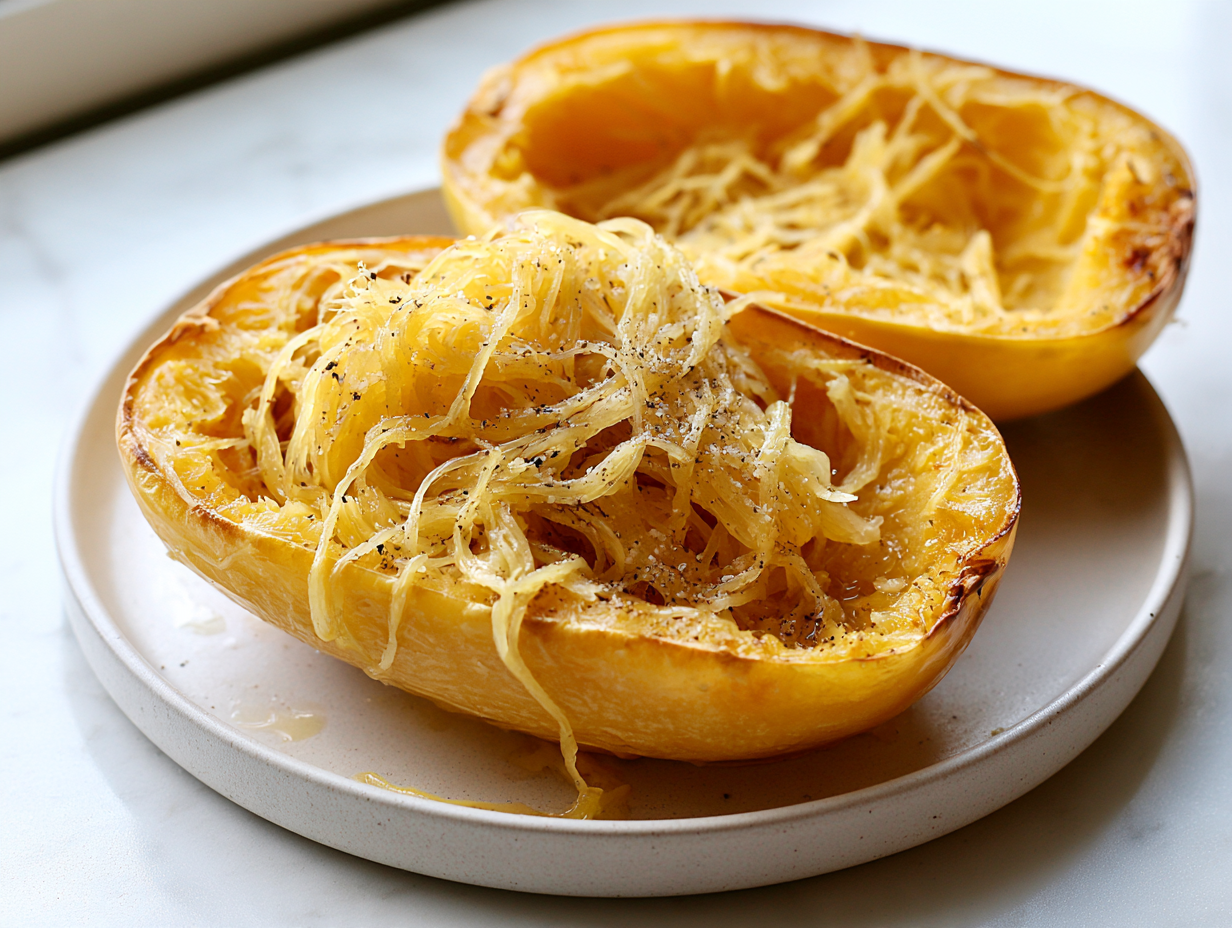

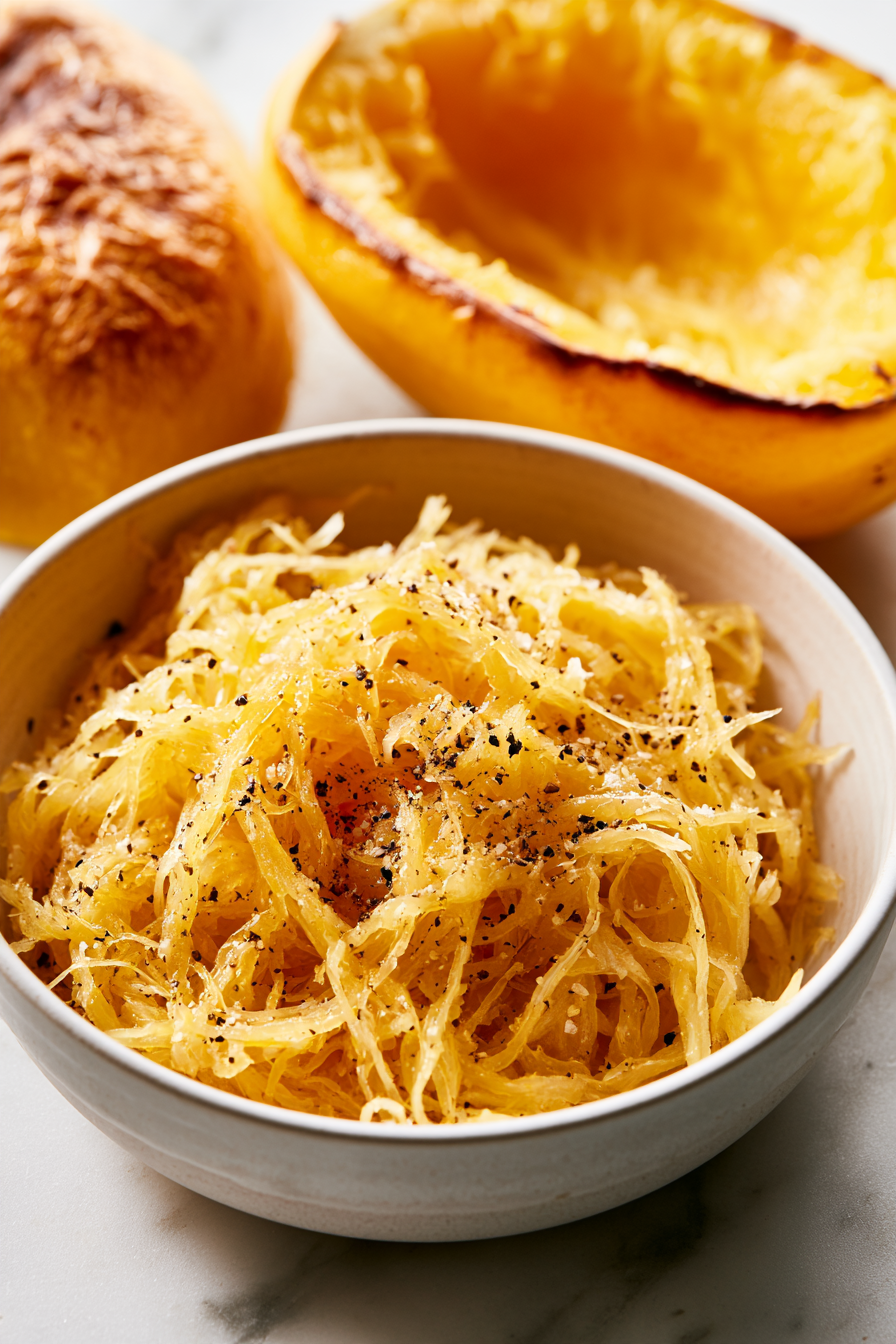
Learning how to cook spaghetti squash is easier than it may seem. Once roasted until tender, the flesh separates into long, spaghetti-like strands that can be served as a vegetable side or used in place of traditional pasta.
This method cuts the squash into thick rounds rather than simply halving it. The rounds are roasted with olive oil, salt, and pepper until tender, then scraped with a fork to release the strands.
Why Cook Spaghetti Squash This Way?
Spaghetti squash can be prepared several ways, but roasting gives you an easy way to develop a deeper flavor while keeping the preparation simple.
Instead of cutting the squash lengthwise, cut it into 1½-inch-thick rounds. Once cooked, the strands can be separated directly from each round.
Cooking the squash slightly al dente. This helps prevent the strands from becoming overly soft or mushy.

How to Cook Spaghetti Squash
Equipment
- 1 Sharp Knife
- 1 Spoon
- 1 Baking Dish
- 1 Microwave-Safe Dish
Ingredients
- 1 spaghetti squash (1.5 to 3 lbs)
- 1 Tbsp extra virgin olive oil divided, plus more to serve
- 1/2 tsp sea salt divided, or added to taste
- 1/2 tsp black pepper divided, added to taste
Instructions
- Preheat your oven to 400°F (200°C).
- Use a sharp knife to cut the spaghetti squash into 1 1/2-inch thick rounds. If it's too hard to cut, microwave it for a few seconds to soften it.
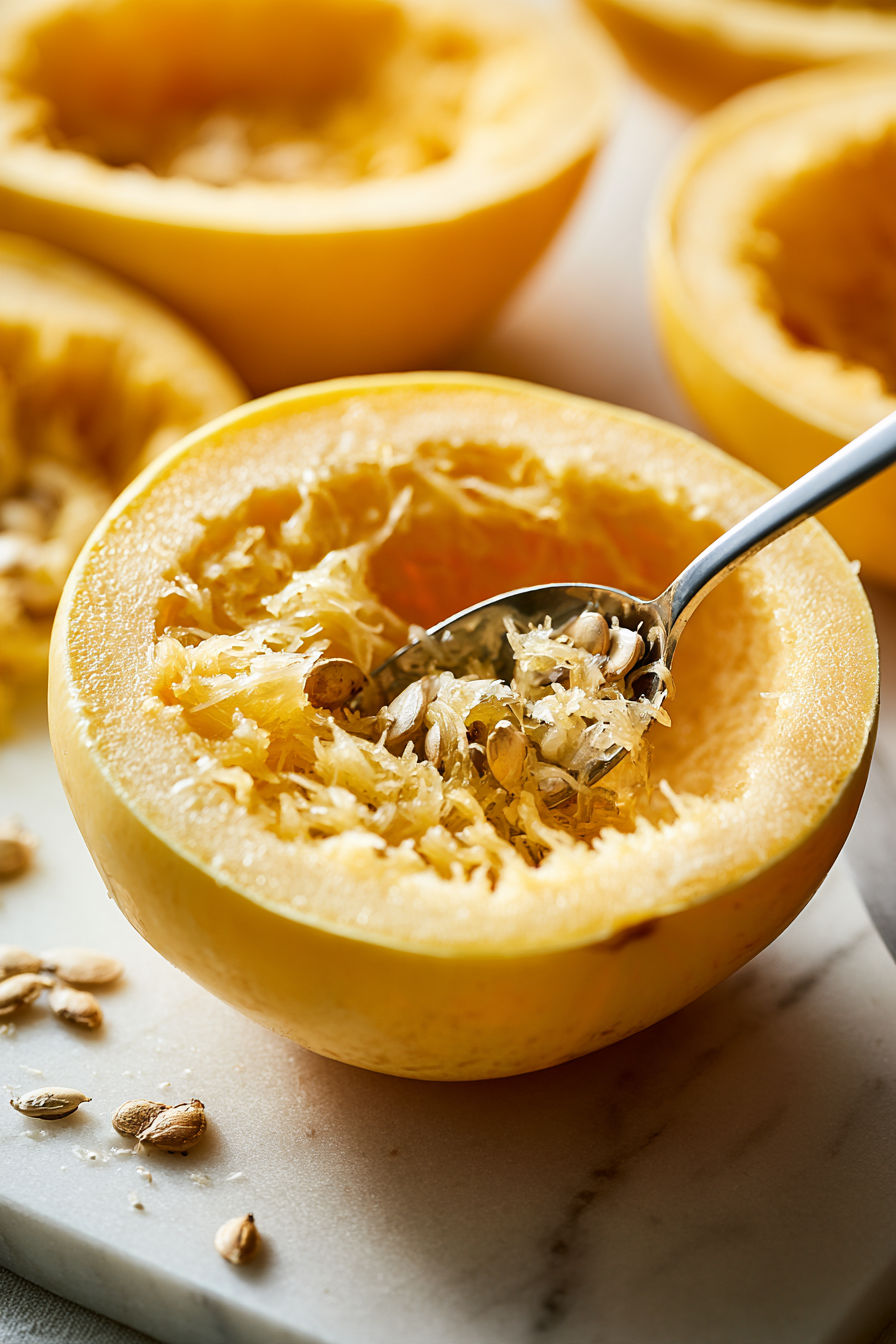
- Scoop out the seeds using a spoon or melon baller.
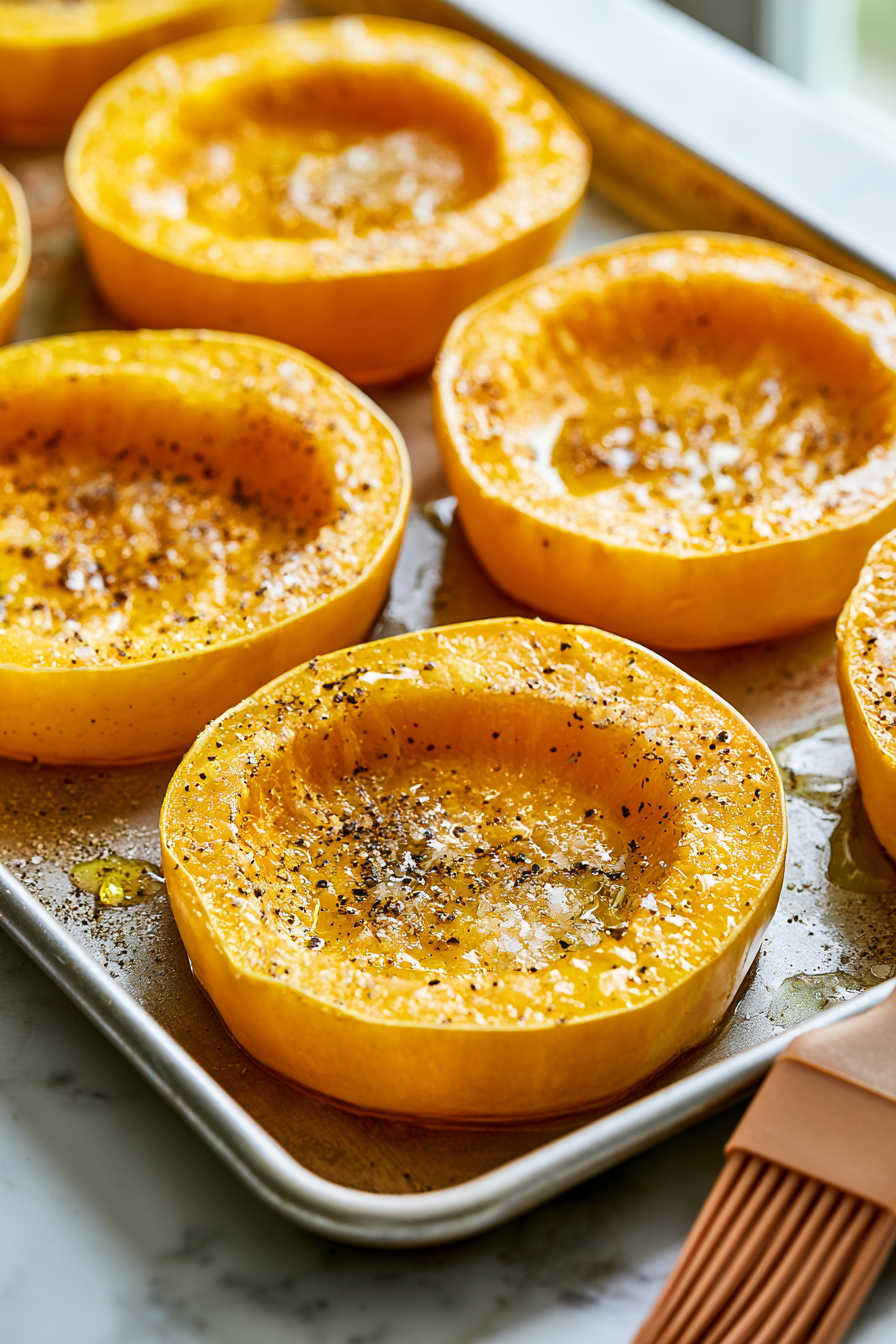
- Place the squash rounds on a baking sheet and brush them with olive oil. Sprinkle with salt and pepper.
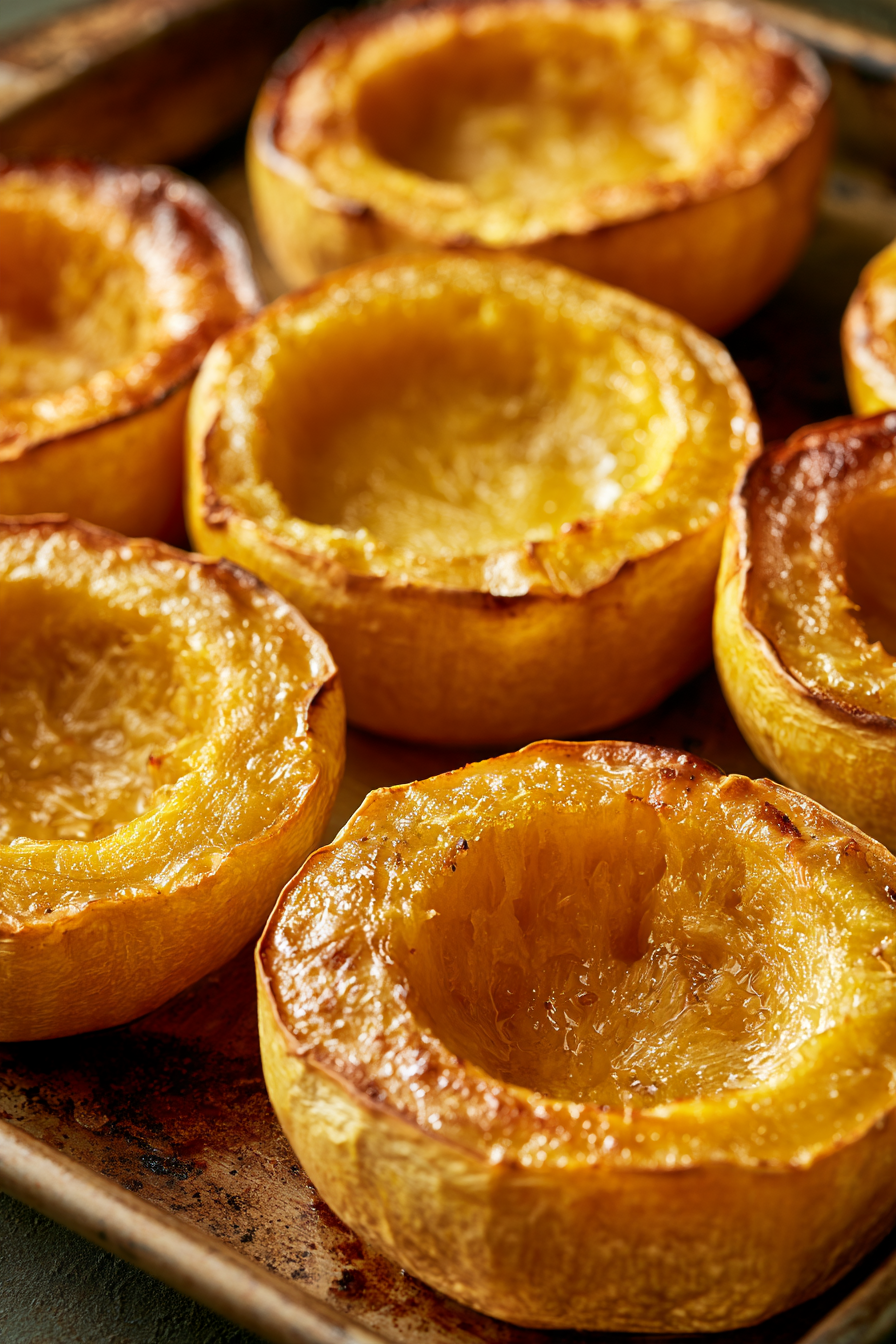
- Bake for 30-35 minutes until tender.
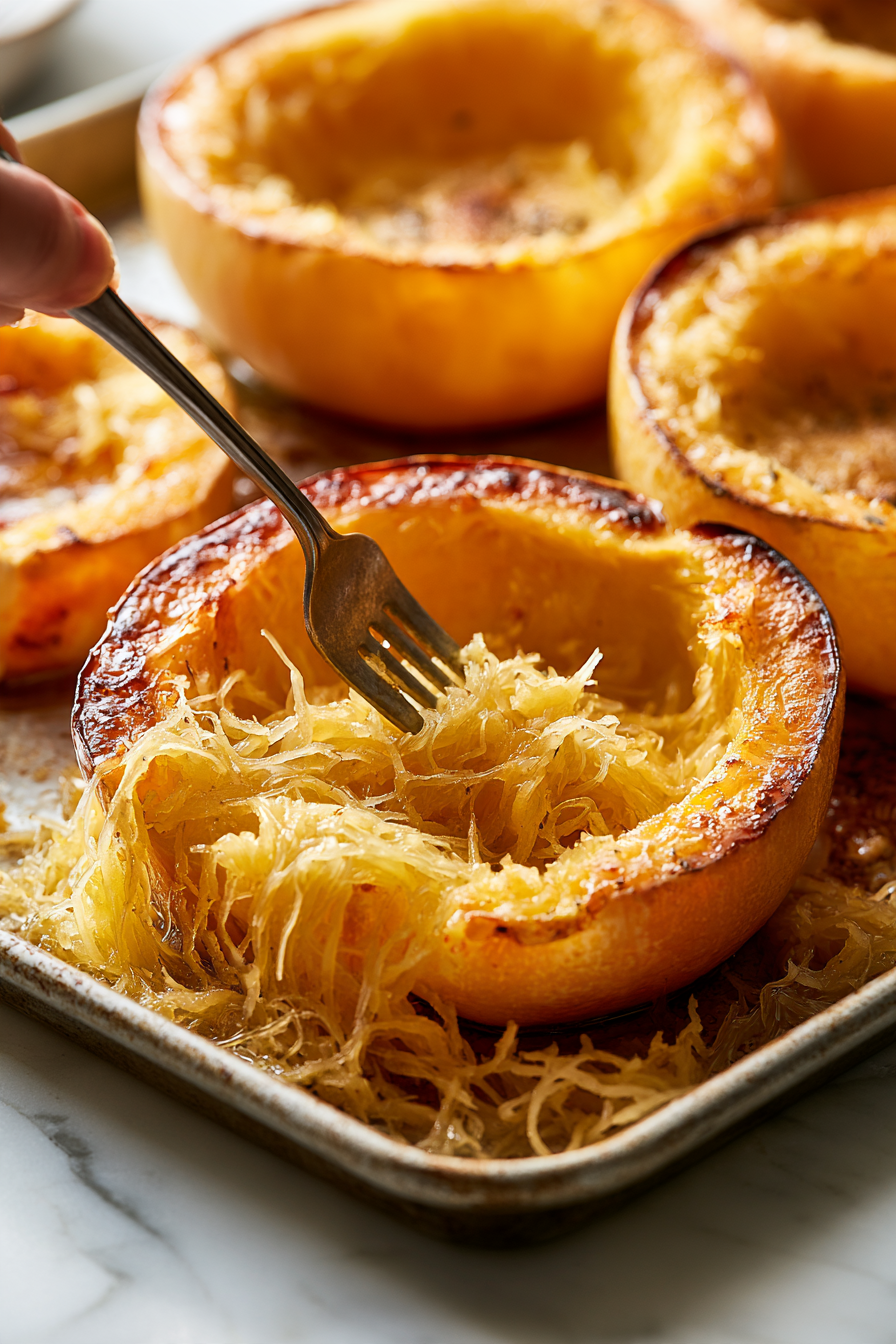
- Let them cool, then use a fork to separate the strands from the skin.
- Serve and enjoy!
Notes
- When cutting, make sure your knife is freshly sharpened and use extreme caution. Also, take note of my warning regarding microwaving in the directions.
- It is preferable to cook spaghetti squash slightly al dente as opposed to overdone and mushy.
- especially if you want to keep it or mix it with other ingredients in a recipe where it might cook through.
Nutrition Facts
| Nutrition | Value |
|---|---|
| Calories | 93kcal |
| Carbohydrates | 15g |
| Protein | 1.5g |
| Fat | 4 g |
| Saturated Fat | 0.6g |
| Sodium | 60 mg |
| Iron | 0.81 mg |
| Calcium | 48.9mg |
| Vitamin A | 255.75IU |
| Potassium | 272mg |
How to Tell When Spaghetti Squash Is Done
The squash should be tender enough for the strands to separate easily with a fork.
Start checking around the 30-minute mark since the exact cooking time can vary with the size and thickness of the squash rounds.
You don’t want to take the squash so far that the strands become mushy.
The Key to Better Spaghetti Squash Strands
The biggest mistake with spaghetti squash is often overcooking.
When the squash is cooked just until tender, the strands retain more structure. Once you scrape them from the skin, they should look defined rather than collapsing into a soft mass.
Let the roasted rounds cool slightly before handling them. Then use a fork to pull the strands away from the skin.
Work around each piece rather than digging aggressively into one spot.
What to Do With the Cooked Strands
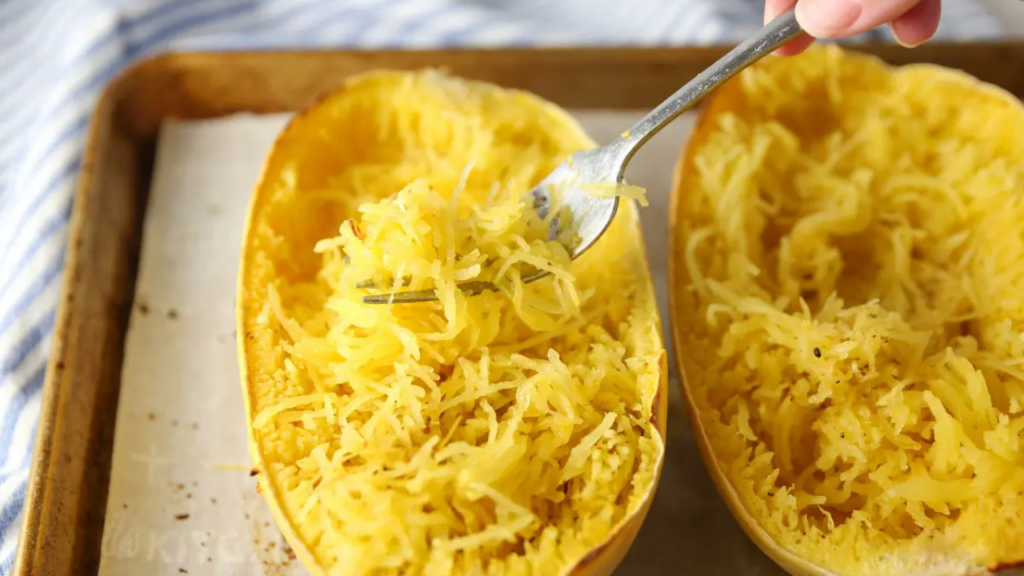
Once you’ve separated the spaghetti-like strands, there are plenty of ways to use them.
Serve them as a simple vegetable side with grilled chicken or roasted vegetables.
For a more substantial meal, toss the strands with tomato sauce, pesto, garlic and olive oil, or your favorite pasta-style toppings.
You can also incorporate cooked spaghetti squash into casseroles, bowls, or other recipes where you want a vegetable-based alternative to pasta.
Spaghetti Squash as a Pasta Alternative
Spaghetti squash doesn’t have exactly the same texture as wheat pasta, but its naturally stringy flesh makes it a useful substitute in many dishes.
Because the flavor is relatively mild, it can take on the character of the sauce or seasonings you add.
For the best result, don’t treat it exactly like boiled pasta. Keep the strands slightly firm and avoid cooking them repeatedly, especially if you’re adding them to another recipe that will go back into the oven or onto the stovetop.
Try More Side Dishes Recipes
- Keto Stuffed Mushrooms
- Potato Salad
- Mediterranean Lemon Rice with Cabbage
- Roasted Eggplant
- Cucumber Edamame Salad
How to Avoid Mushy Spaghetti Squash
There are three things to pay attention to:
- Don’t overcook it. Slightly al dente squash works.
- Watch the cooking time. Begin checking around the 30-minute mark.
- Consider the next step. If the squash will be mixed into another dish and cooked again, slightly undercooking it initially can help preserve its texture.
These small adjustments can make a noticeable difference in the finished strands.
Frequently Asked Questions
1. What temperature should I use to cook spaghetti squash?
Roast the squash at 400°F (200°C).
2. How long does spaghetti squash take to cook in the oven?
30–35 minutes, although the exact time can vary depending on the size and thickness of the squash pieces.
3. How do I get the spaghetti-like strands out?
Allow the cooked squash to cool enough to handle, then use a fork to separate the strands from the skin.
4. Can I microwave spaghetti squash before cutting it?
Microwave it briefly if the squash is too difficult to cut. Because whole squash can build up pressure when heated, follow the recipe’s safety warning carefully.
5. Can I use spaghetti squash instead of pasta?
Yes. The cooked strands can be used in many pasta-style dishes with sauces, vegetables, herbs, and other toppings.
6. What does spaghetti squash taste like?
It has a relatively mild flavor with a subtle sweetness, which makes it adaptable to both simple seasonings and stronger sauces.
7. Can I prepare spaghetti squash ahead of time?
Yes. The cooked strands can be separated and incorporated into another recipe later. If you plan to cook them again, avoid overcooking them during the initial roasting stage.
8. Can I season spaghetti squash with more than salt and pepper?
Absolutely. The recipe keeps the basic seasoning simple, which leaves plenty of room to add sauces, herbs, garlic, pesto, or other flavors when serving.
hi there,
i’m Lily
A California-born chef with roots in the Central Valley’s farming community, transforming salads from diet staple to culinary art.