

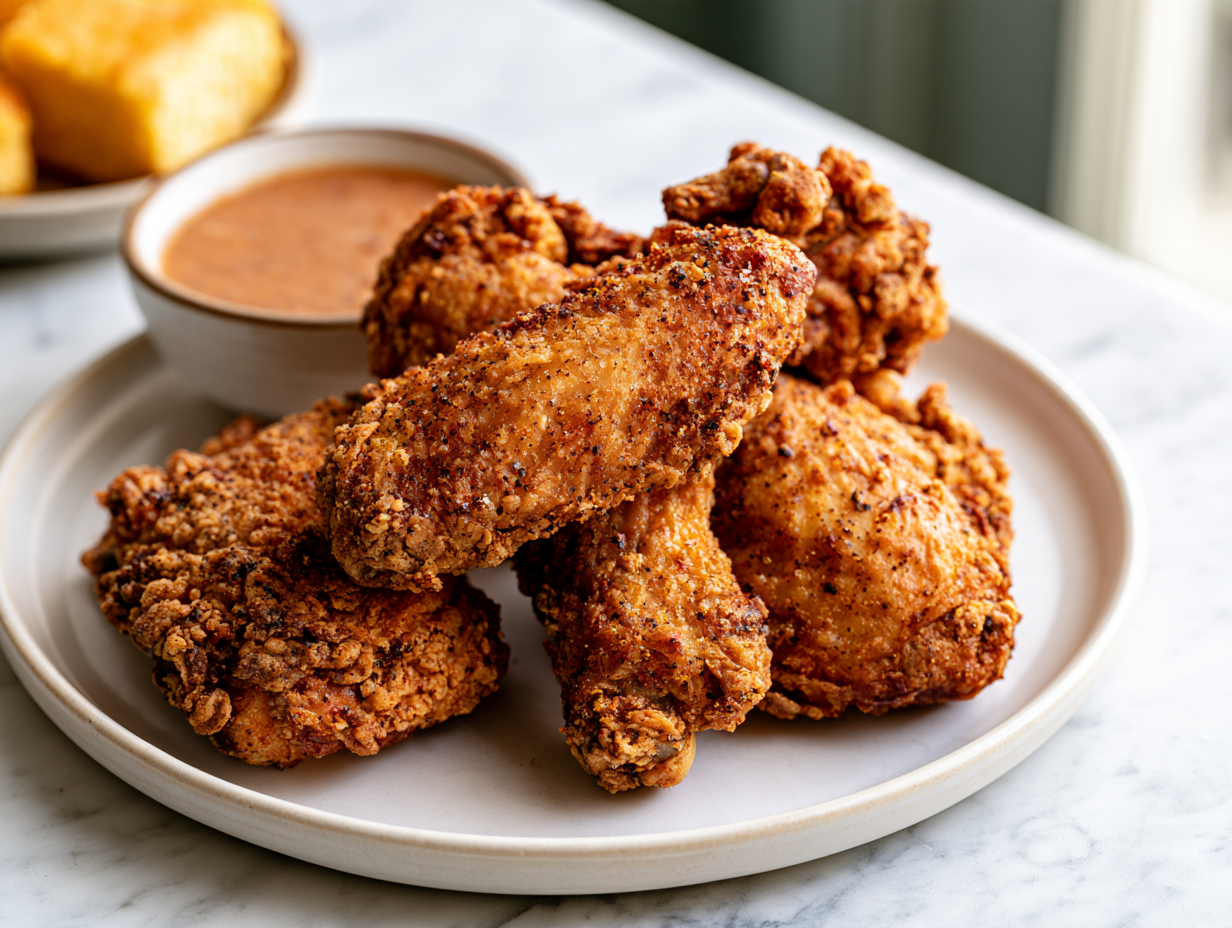

These Fried Turkey Wings are crispy on the outside, juicy on the inside, and seasoned with a bold blend of seasoned salt, seafood seasoning, cayenne, and garlic powder. The turkey wings are cut into smaller sections before being deep-fried, giving them plenty of golden, crunchy surface area.
Unlike a whole turkey, these wings cook in a fraction of the time and are easy to serve as individual portions. They make a satisfying Southern-inspired main course, appetizer, or addition to a casual gathering.
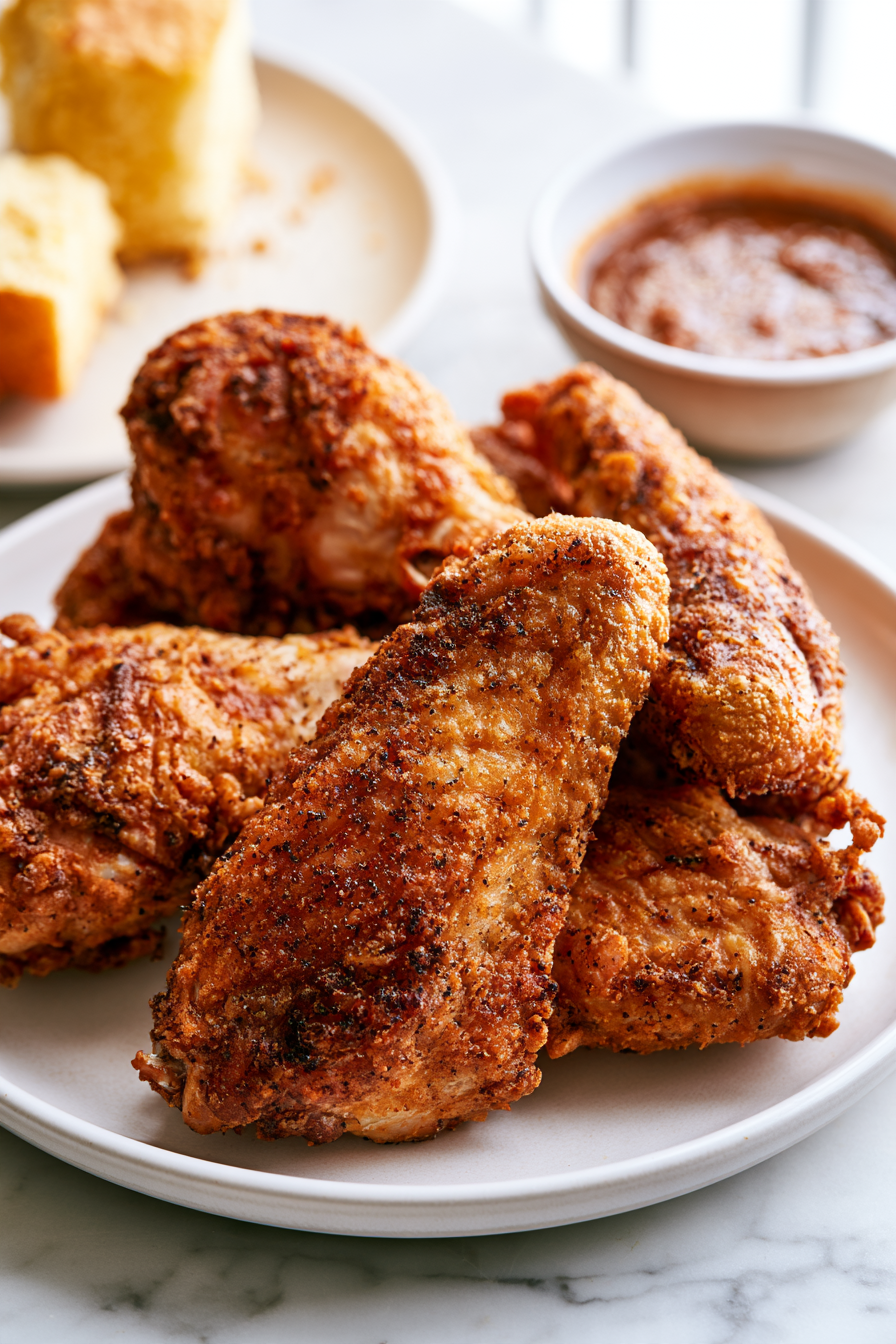
Serving these wings alongside fluffy White Cornbread and zesty Baja Chipotle Sauce takes the meal to the next level, adding sweetness and smoky creaminess that perfectly complement the spicy wings.
The Seasoning Blend

The seasoning for these turkey wings is simple but deliberately bold.
- Seasoned salt forms the base of the seasoning and provides salt along with additional savory flavor.
- Seafood seasoning adds a blend of herbs and spices that works particularly well with fried foods. A seasoning such as Old Bay is suggested.
- Cayenne pepper brings heat to the wings. You can adjust the amount slightly if you prefer a milder result.
- Garlic powder adds savory depth and rounds out the spice mixture.
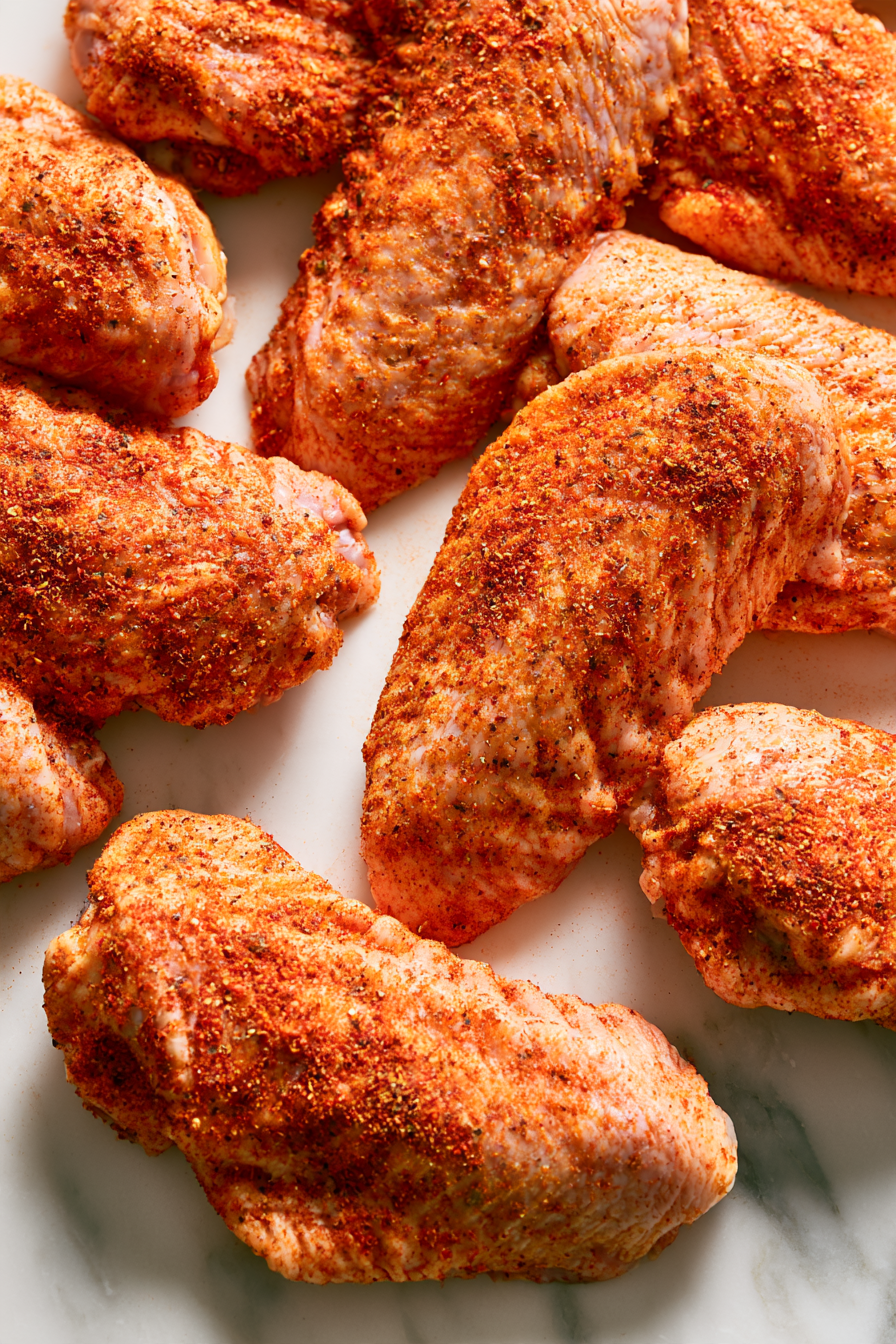
Because there is no flour coating in this recipe, the seasoning is rubbed directly onto the turkey before frying. This keeps the ingredient list short while still giving the wings plenty of flavor.
Chef’s Tip: Work the seasoning evenly over every surface of the turkey wings, especially around the joints and thicker portions. This helps prevent bland spots once the wings are fried.
Fried Turkey Wings Recipe
Equipment
- Deep frying pan or deep fryer
- Tongs
- Mixing bowl
- Paper towels
- Plate or tray for resting wings
- Meat thermometer (optional but recommended)
Ingredients
- 2 turkey wings cut apart at joints and wing tips discarded
- 1 tablespoon seasoned salt
- 1 teaspoon seafood seasoning such as Old Bay
- 1 teaspoon cayenne pepper
- 2 teaspoons garlic powder
- 4 quarts canola oil for deep frying
Instructions
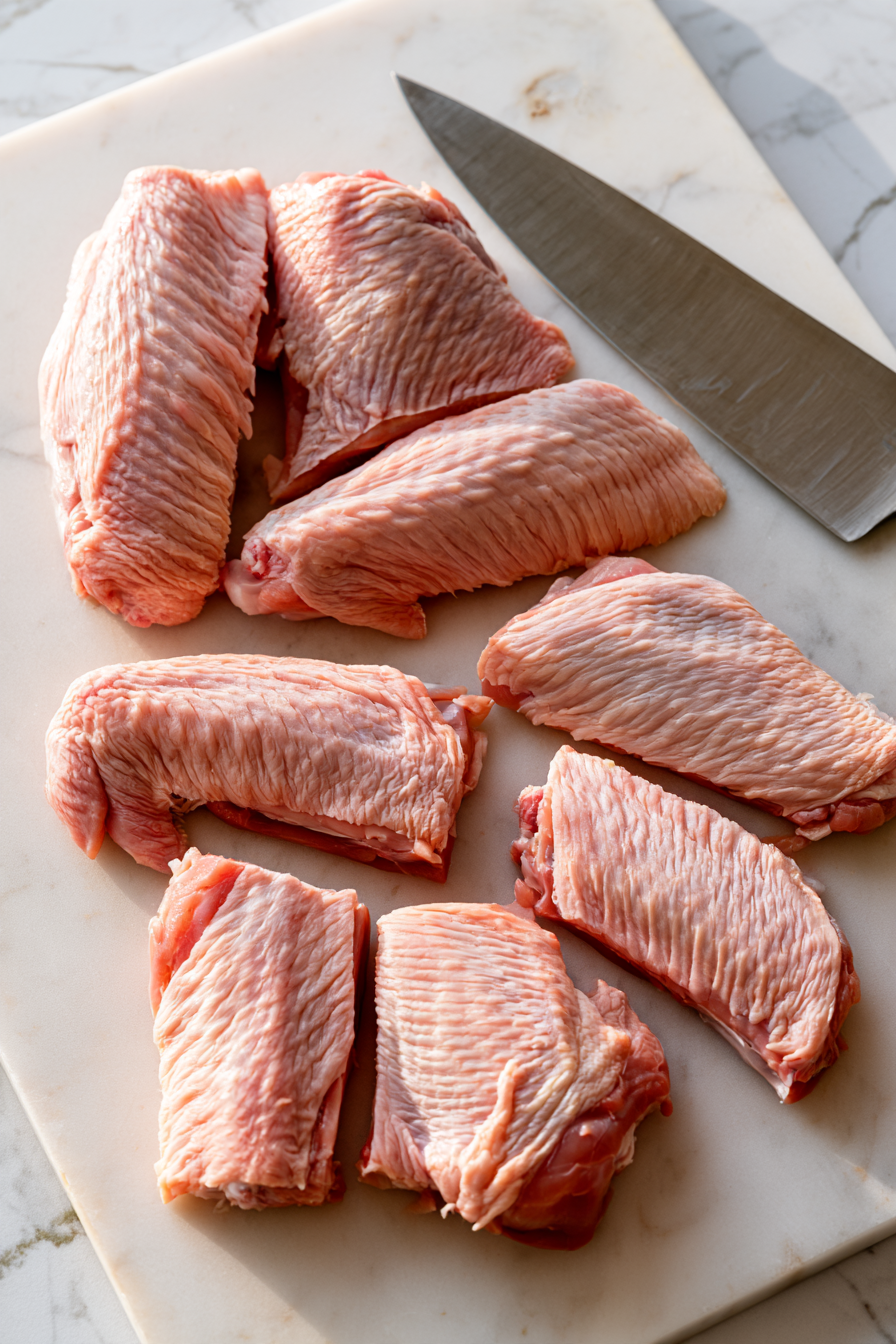
- Cut turkey wings at the joints, discard wing tips.
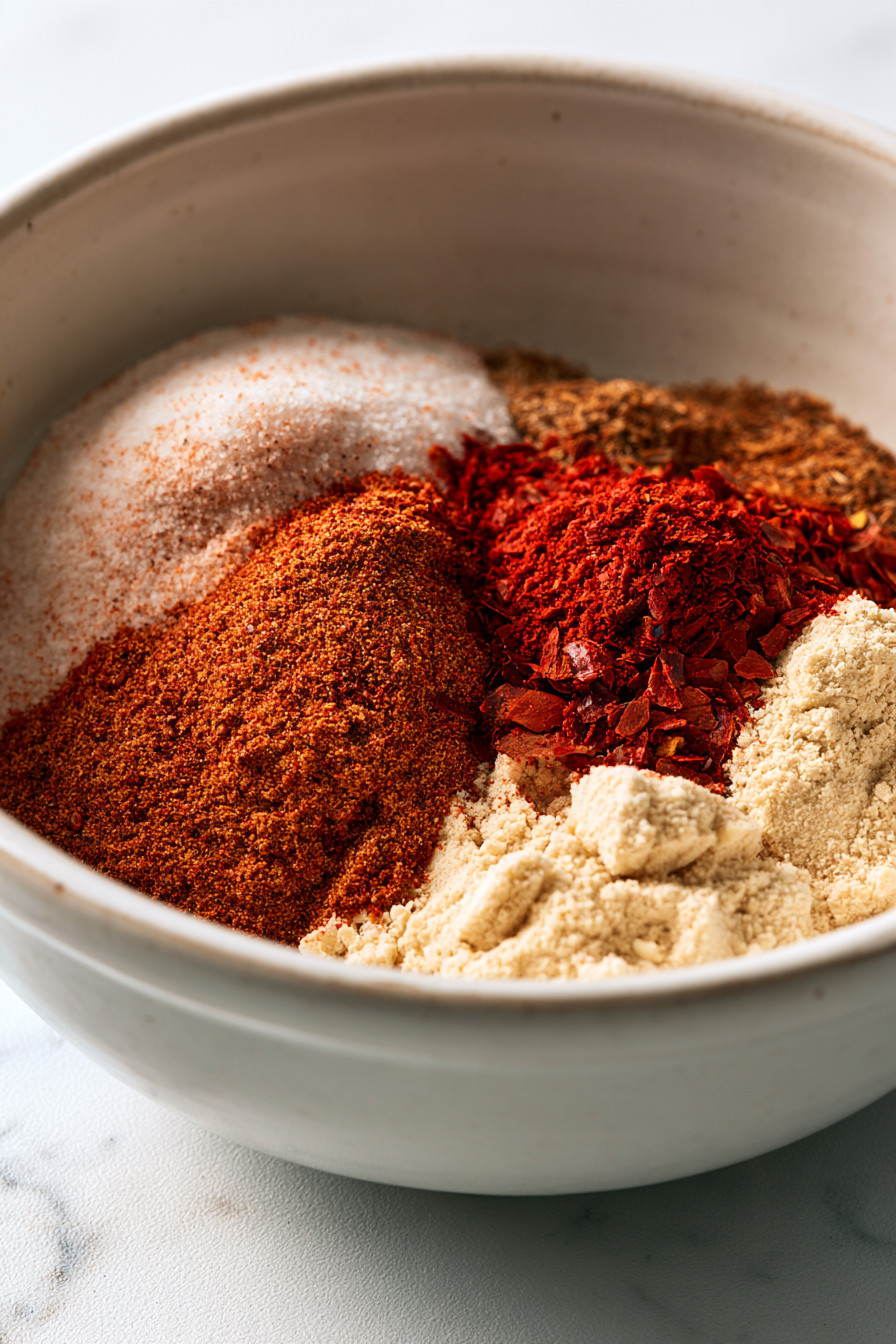
- Mix seasoned salt, seafood seasoning, cayenne pepper, and garlic powder in a bowl.
- Rub the seasoning mix evenly over the turkey wings.
- Heat canola oil in a deep fryer or deep pan to 350°F (175°C).
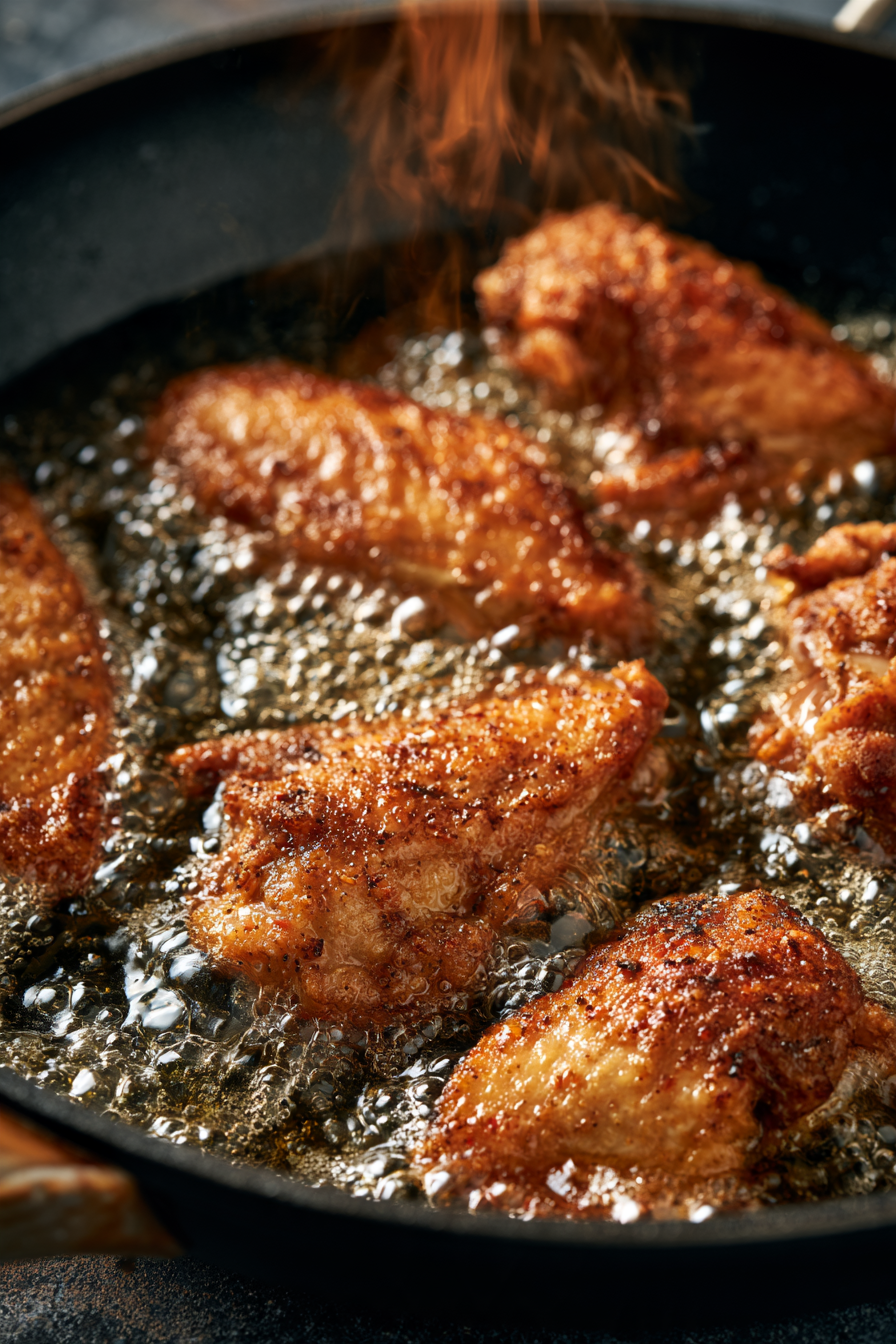
- Carefully fry turkey wings for 12-15 minutes until golden brown and cooked through.
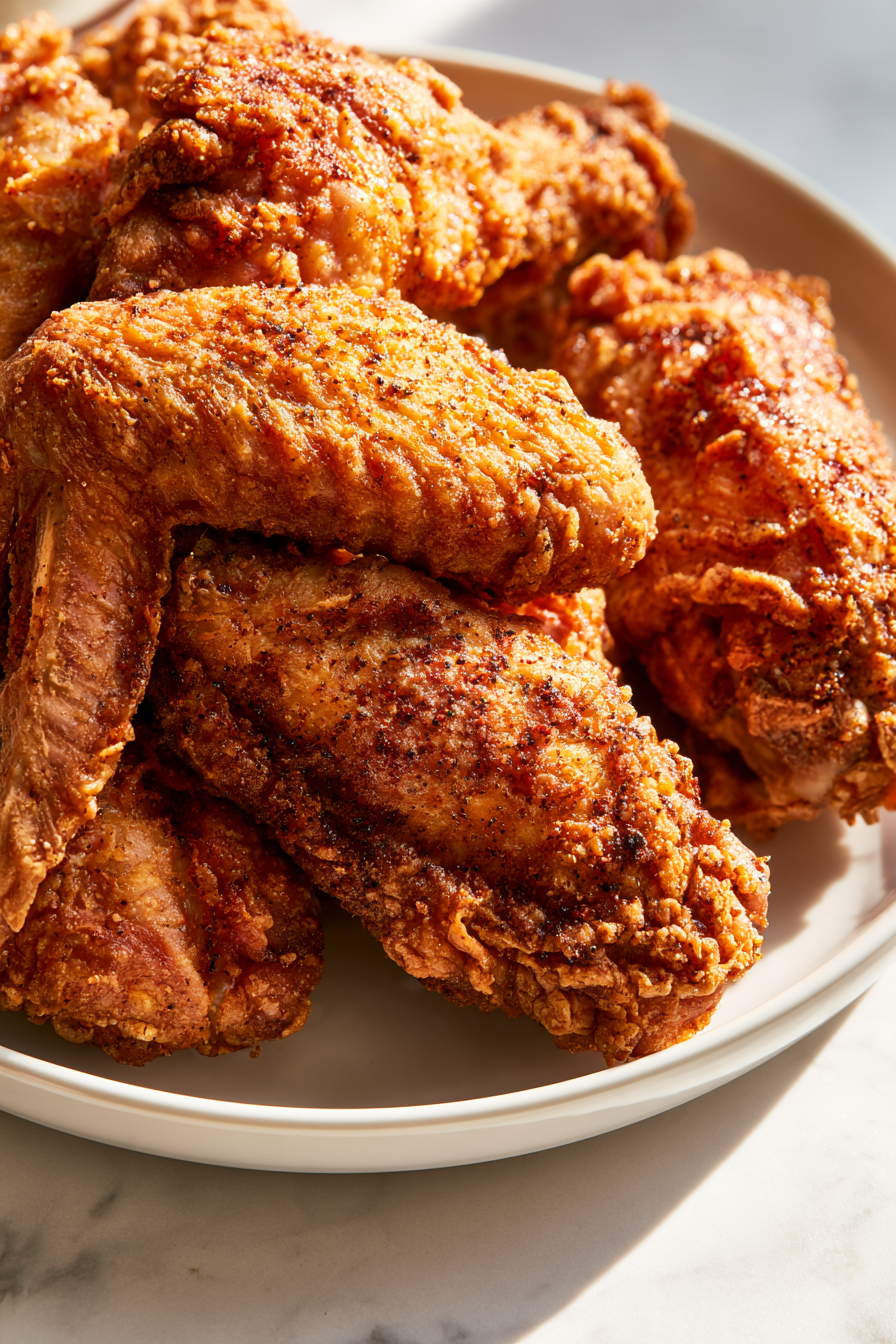
- Use tongs to remove wings and place them on paper towels to drain excess oil. Let wings rest for a few minutes before serving.
- Serve hot with your favorite sides like White Cornbread or Baja Chipotle Sauce.
Nutrition Info:
| Nutrition | Value |
| Calories | 374kcal |
| Carbohydrates | 4g |
| Protein | 25g |
| Fat | 29g |
| Sugar | 1g |
| Sodium | 1682mg |
Getting the Oil Temperature Right
Maintaining the oil around 350°F (175°C) is important for this recipe.
If the oil is too cool, the turkey can absorb more oil and the exterior may take longer to become crisp. If the oil is excessively hot, the outside can brown too quickly before the thicker parts of the turkey are fully cooked.
A deep-fry thermometer is useful if your fryer or pan does not have a built-in temperature control. Allow the oil to return to the target temperature between batches if you are frying more than one batch.
Also avoid overcrowding the pan. Adding too many cold turkey pieces at once can cause the oil temperature to drop significantly.
How to Keep Fried Turkey Wings Crispy
Once the wings come out of the oil, place them on paper towels as directed to drain excess oil.
Avoid stacking the hot wings on top of one another. Stacking traps steam between the pieces, which can soften the crisp exterior.
For larger batches, a wire rack set over a tray can also help keep the bottoms from sitting directly in drained oil.
Serve the wings while they are still hot for the best contrast between the crisp outside and juicy interior.
Adjusting the Heat

The recipe uses 1 teaspoon of cayenne pepper, giving the seasoning a noticeable kick.
For a milder version, you can reduce the cayenne. If you enjoy a stronger heat level, you can increase it slightly, keeping in mind that the seafood seasoning and seasoned salt also contribute to the overall flavor.
The easiest way to customize the heat is to adjust the cayenne while keeping the other seasoning amounts consistent.
Try Some More Such Recipe!
- Best Ever Buffalo Chicken Wings
- Air Fryer Chicken Wings
- Buffalo Wings
- Crispy and Best Baked Chicken Wings
Making Fried Turkey Wings for a Gathering
For a party or larger meal, organize the wings before you start frying.
Cut and season all the turkey pieces first, then have your draining tray and serving platter ready. This keeps you from trying to prepare equipment while the oil is already hot.
If frying in batches, give the oil time to return to approximately 350°F between batches. Keep the finished wings in a single layer rather than piling them together so the crust stays crisp.
Because deep-frying requires hot oil, keep the cooking area clear and use long tongs when handling the turkey.
Frequently Asked Questions
Q. Can I bake instead of deep-frying the turkey wings?
Ans: Yes, baking is a healthier alternative—just coat the wings well and bake at a high temperature for crispy results.
Q. How do I adjust the spice level?
Ans: Simply reduce or omit the cayenne pepper, or add more if you like extra heat.
Q. What oil is best for frying?
Ans: Canola oil or peanut oil works great because they have a high smoke point and neutral flavor.
Q. Can I prepare the wings ahead of time?
Ans: Absolutely! You can season and refrigerate the wings a few hours ahead, but fry them fresh for the best crunch.
Q. How do I know when the wings are cooked through?
Ans: Use a meat thermometer—the internal temperature should reach 165°F (74°C).
Q. Can I freeze leftover fried turkey wings?
Ans: Yes, freeze them in an airtight container and reheat in the oven or air fryer to maintain crispiness.
Q. What’s a good dipping sauce pairing?
Ans: Try Baja Chipotle Sauce for a smoky, spicy kick or classic ranch for a creamy contrast.


hi there,
The Freshman Cook started as a place to keep track of recipes I wanted to make again. Somewhere along the way, it grew into a collection of meals that friends requested, desserts that disappeared too quickly, and weeknight dinners that made life a little easier.
know more


