
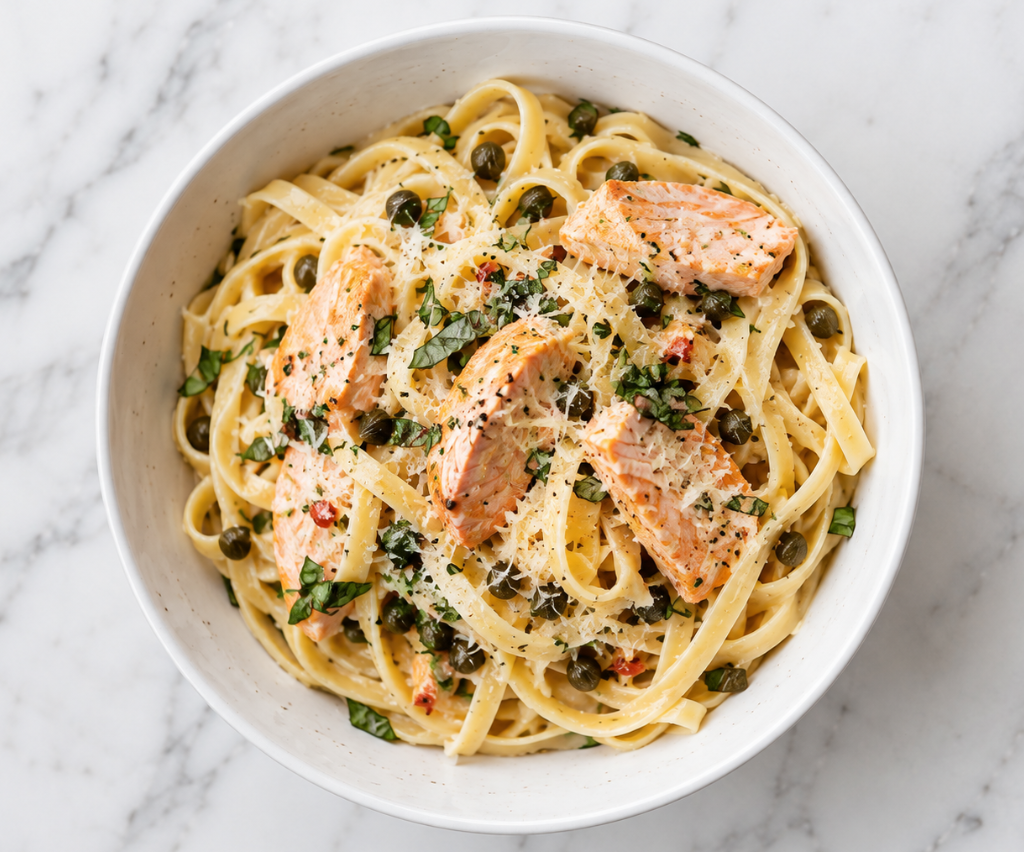
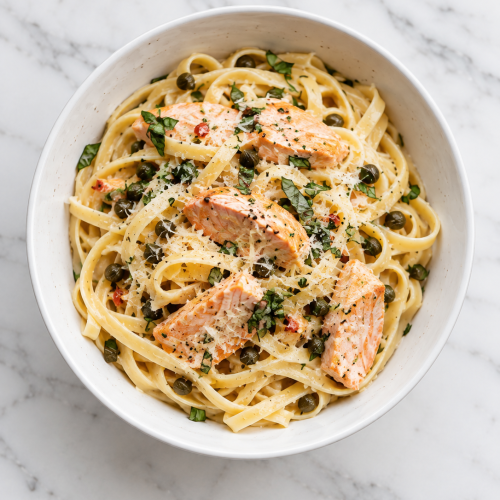
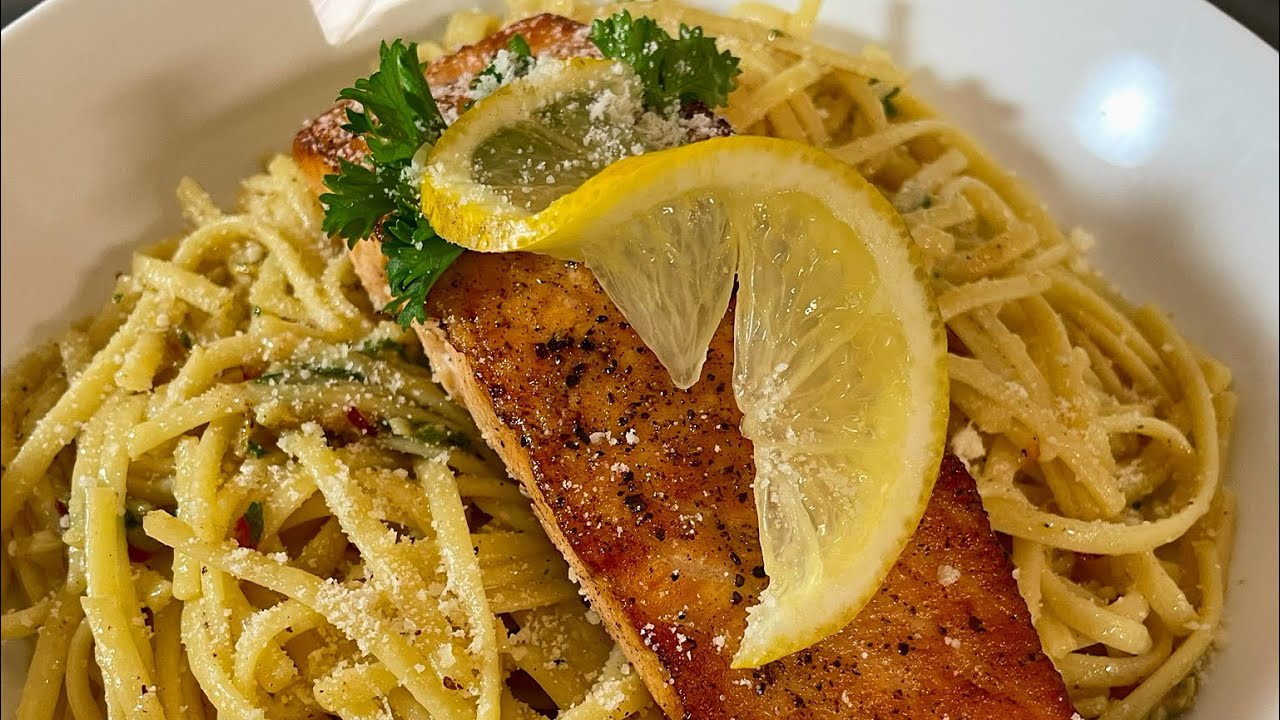
This Lemon Garlic Salmon Pasta is a simple dinner made with flaky salmon, pasta, garlic, lemon, fresh basil, Parmesan, and capers. A light sauce made with olive oil, butter, lemon, and pasta water coats the noodles without making them heavy.
The salmon adds a hearty bite, while lemon and fresh basil keep the dish bright. Capers bring a salty contrast, and Parmesan adds just enough richness to finish the pasta.
Why You’ll Keep Making This Recipe
- Quick enough for weeknights: The pasta and salmon cook at the same time, so dinner comes together in about 30 minutes.
- Uses simple ingredients: Most of what you need can be found in a regular pantry or grocery store.
- No complicated sauce: Pasta water, butter, olive oil, lemon, and Parmesan create a light sauce without cream.
- Easy to cook: The salmon bakes in the oven while you prepare the pasta and sauce.
- Works with different pasta: Spaghetti, linguine, fettuccine, and rigatoni all work well.
- Easy to portion: The recipe makes four servings, making it useful for a family dinner or planned leftovers.
Ingredient Notes & Easy Substitutions

- Salmon: Use a fresh or thawed salmon fillet. The thickness of the fillet will affect the baking time, so check that it flakes easily and reaches 145°F.
- Pasta: Linguine, spaghetti, fettuccine, and rigatoni are all good choices. Cook it just until al dente so it holds up when tossed with the sauce.
- Lemon: Fresh lemon gives the sauce a much brighter flavor than bottled juice. Use both the zest and juice for the best result.
- Pasta water: Reserve more than the recipe calls for if possible. The starchy water helps loosen the sauce and allows it to coat the pasta evenly.
- Capers: Capers add a salty, slightly tangy bite. If you prefer a milder taste, reduce the amount rather than leaving them out completely.
- Parmesan: Freshly grated or shaved Parmesan melts more smoothly and gives the finished pasta a better texture.
Chef’s Tip: Add the reserved pasta water gradually rather than all at once. Toss the pasta after each addition until the sauce looks glossy and lightly coats the noodles.
Lemon Garlic Salmon Pasta Recipe
Equipment
- Large pot
- Large skillet
- Baking sheet
- Parchment paper or aluminum foil
- Colander
- Mixing bowl
- Tongs
Ingredients
- 12 ounces pasta such as rigatoni, linguine, spaghetti, or fettuccine
- 1 pound salmon fillet
- 2 tablespoons extra-virgin olive oil
- 4 cloves garlic minced
- ½ cup fresh basil leaves finely chopped
- 1 lemon zested and juiced
- 2 teaspoons capers
- ½ cup grated or shaved Parmesan cheese
- 2 tablespoons unsalted butter
- ¼ cup reserved pasta water plus more as needed
- ½ teaspoon red pepper flakes
- 1 teaspoon salt divided
- ½ teaspoon black pepper
Instructions
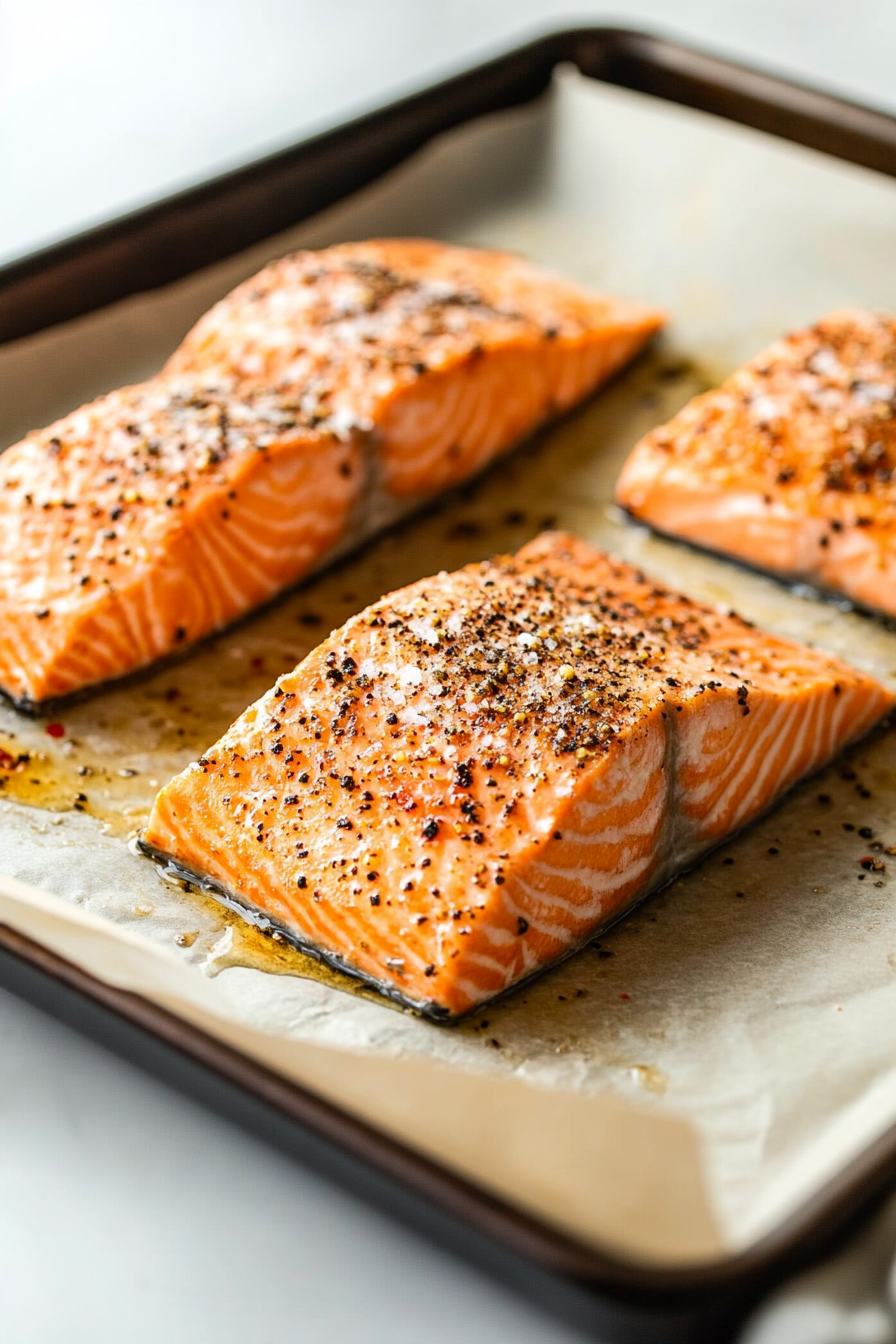
- Preheat the oven to 350°F. Place the salmon on a parchment-lined baking sheet and season with salt and black pepper. Bake for 15–20 minutes, depending on the thickness of the fillet, until the salmon flakes easily and reaches 145°F.
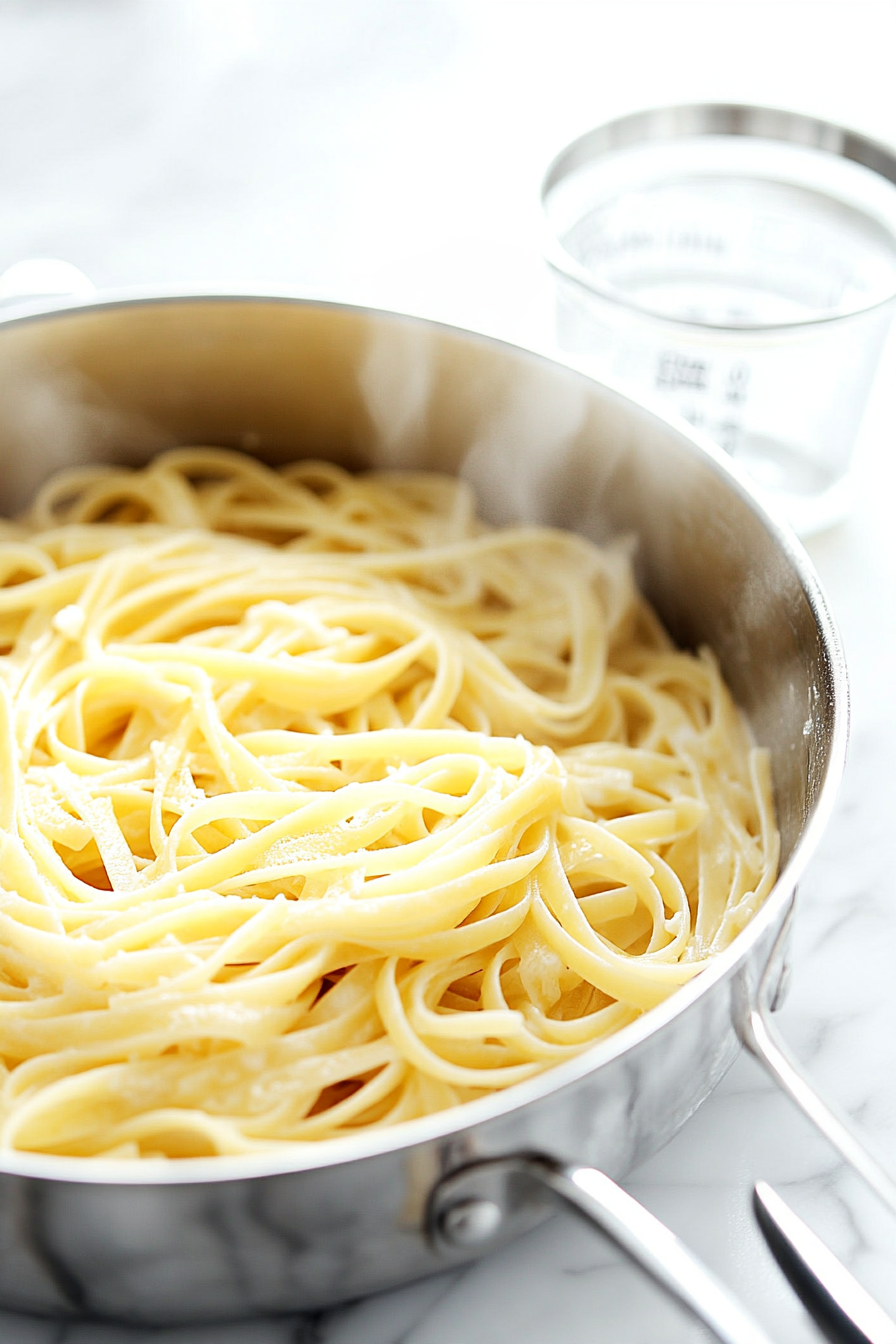
- Meanwhile, bring a large pot of salted water to a boil. Cook the pasta according to the package directions until al dente. Before draining, reserve about ½ cup of the pasta water.
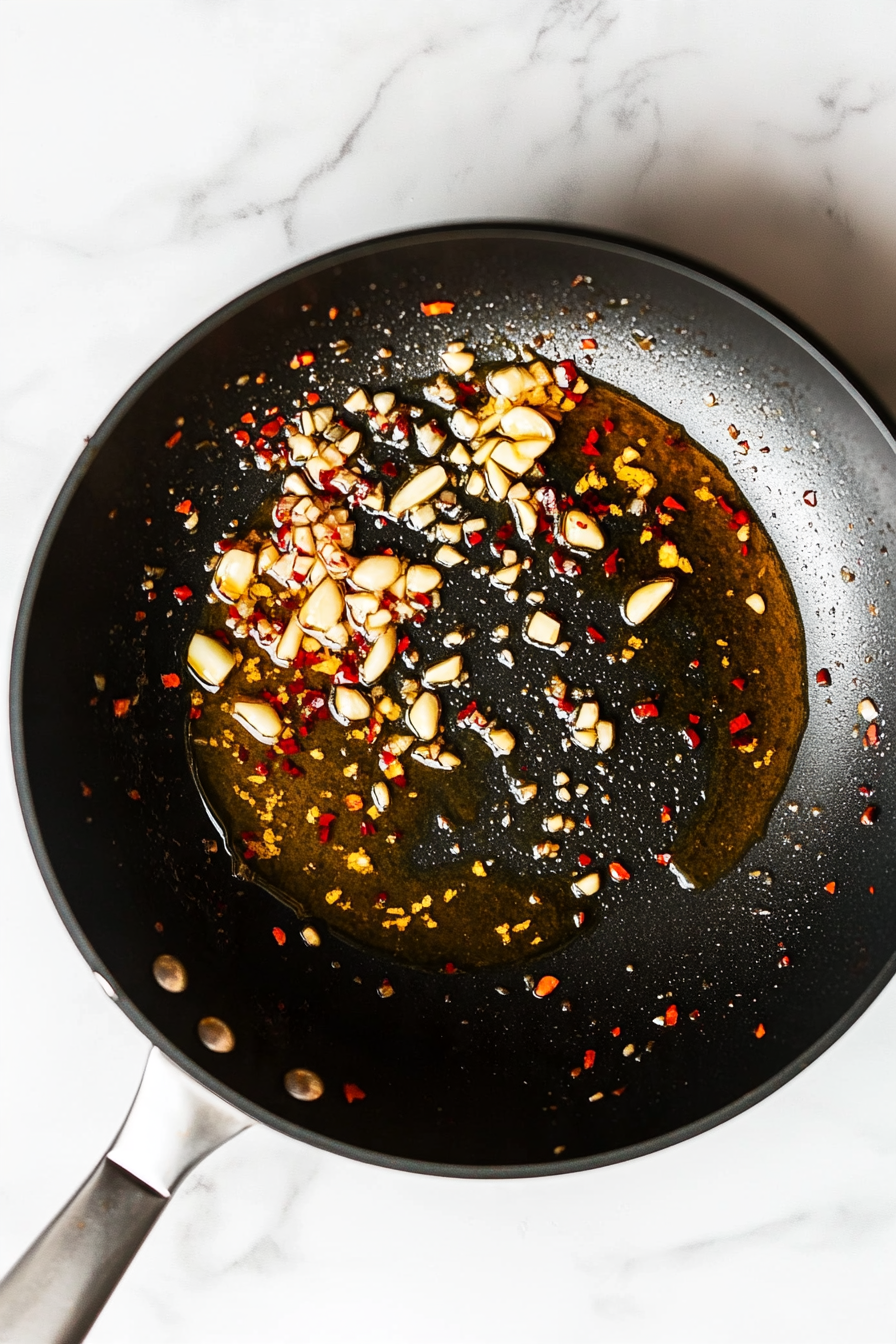
- Melt the butter with the olive oil in a large skillet over medium-low heat. Add the garlic and red pepper flakes and cook for about 1 minute, just until the garlic becomes fragrant.
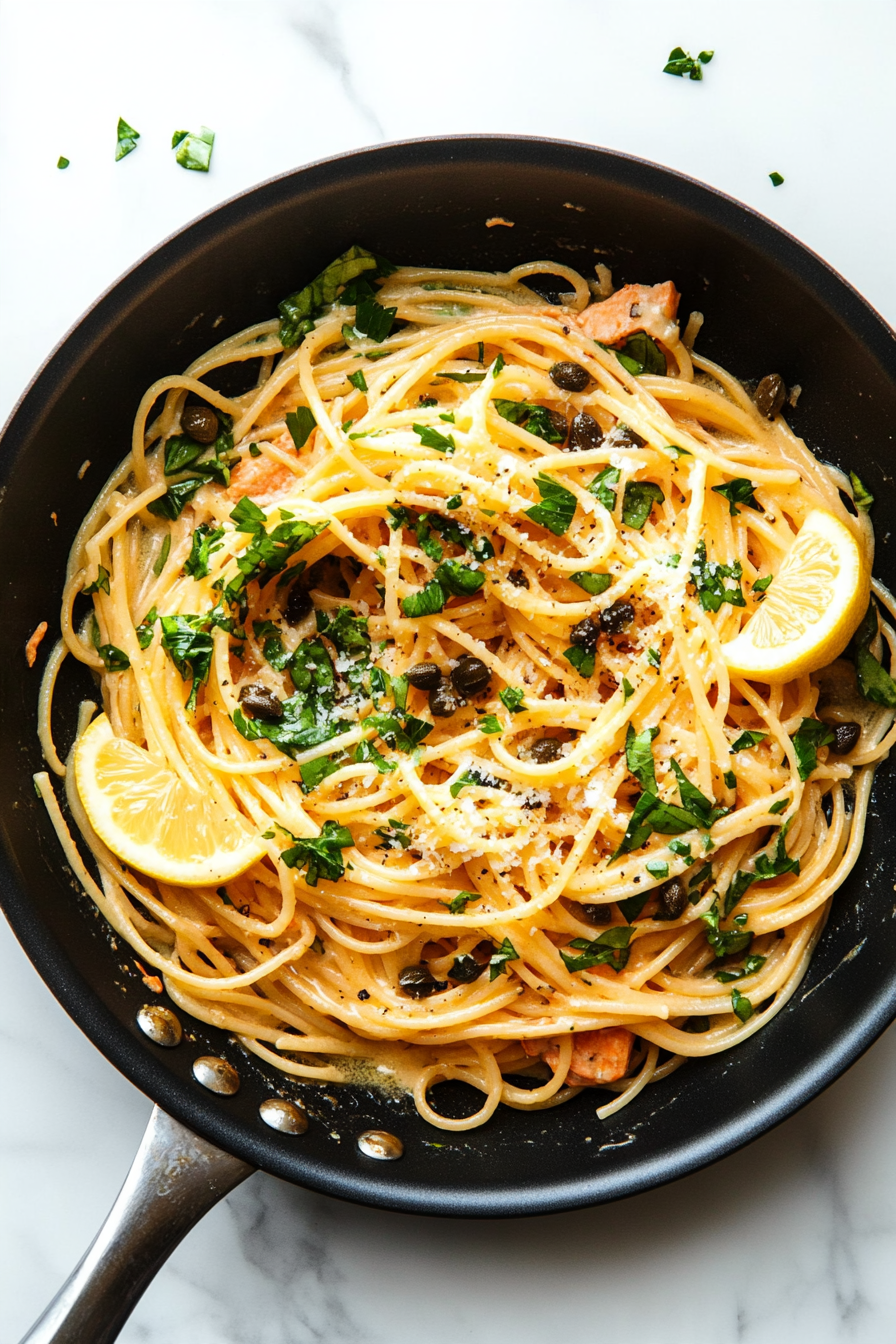
- Add the cooked pasta to the skillet along with the lemon zest, lemon juice, basil, capers, salt, and black pepper. Toss well, adding a little reserved pasta water at a time until the sauce lightly coats the pasta. Pasta water helps loosen the sauce and helps it cling to the noodles.
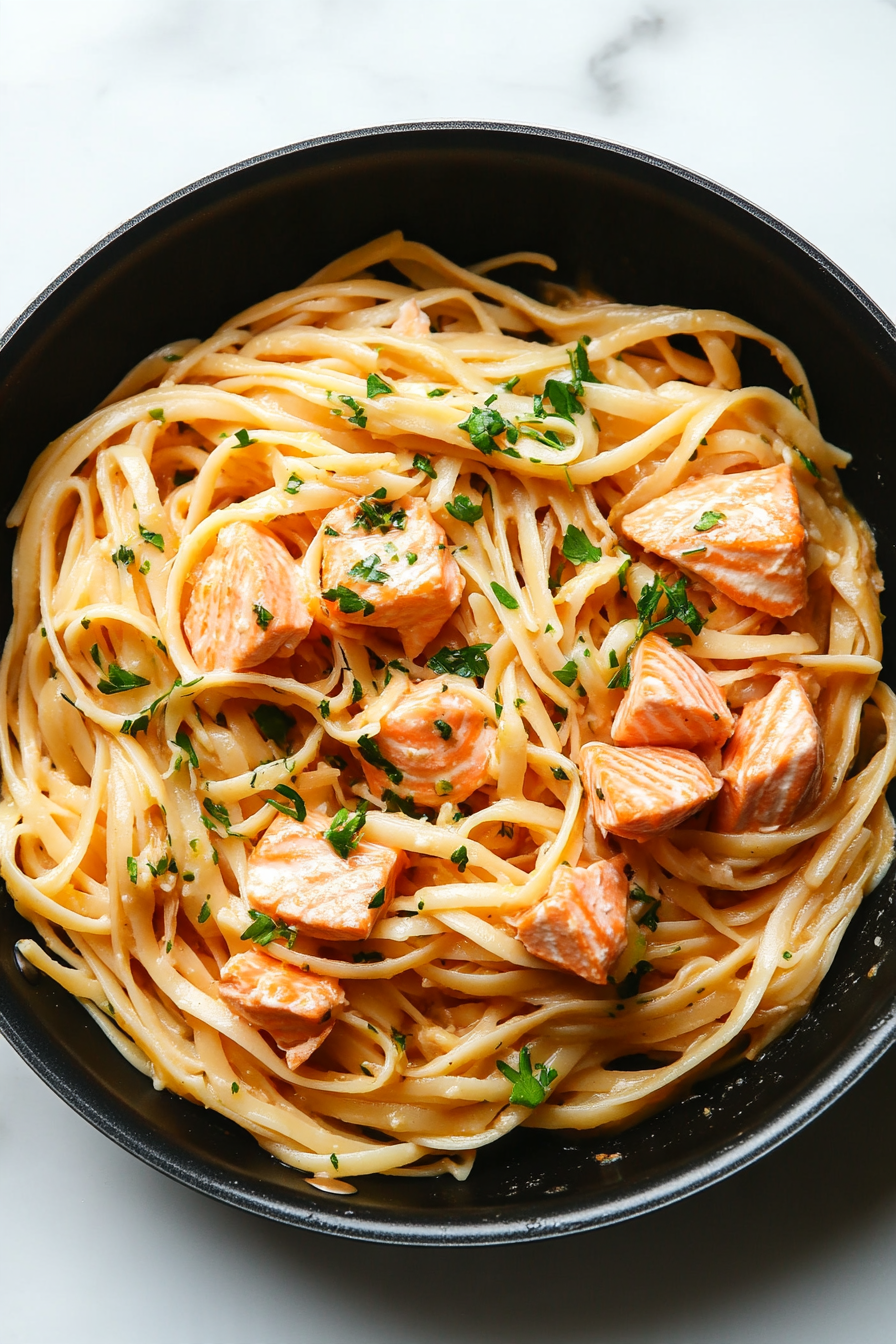
- Flake the cooked salmon into bite-sized pieces. Gently fold it into the pasta, being careful not to break the salmon into very small pieces.
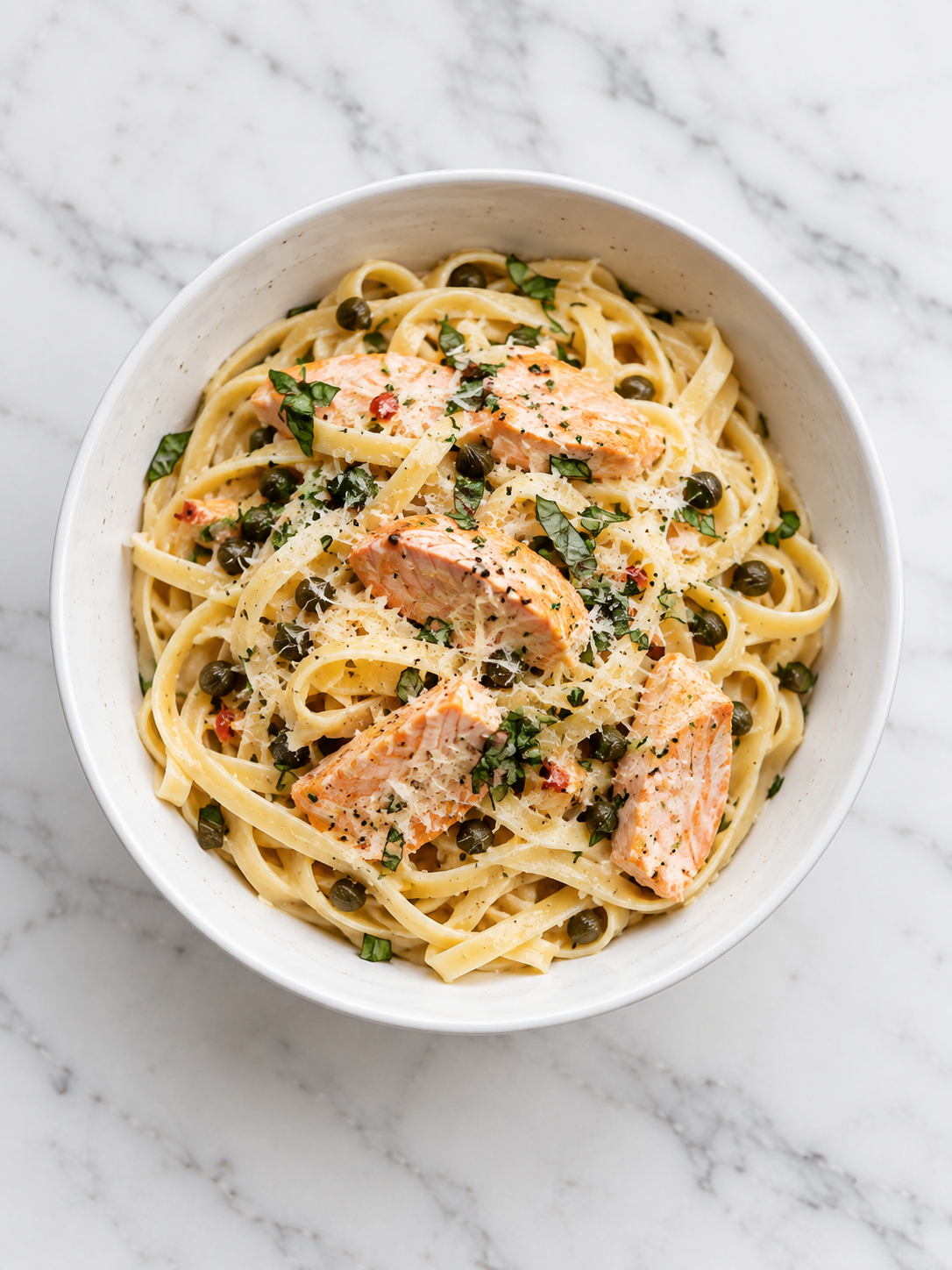
- Divide the pasta among serving bowls and finish with freshly grated or shaved Parmesan, extra basil, and a squeeze of lemon.
Nutrition Information
| Nutrient | Amount per Serving |
|---|---|
| Calories | 520 kcal |
| Carbohydrates | 58 g |
| Protein | 31 g |
| Fat | 20 g |
| Fiber | 3 g |
| Sugar | 3 g |
| Sodium | 720 mg |
Nutrition values are approximate and can vary depending on the pasta, salmon, Parmesan, and other brands used.
Common Mistakes to Avoid
- Overcooking the salmon: Salmon can dry out quickly, especially with thinner fillets. Start checking it toward the lower end of the cooking time.
- Skipping the pasta water: Plain water won’t provide the same starchy quality needed to help the sauce cling to the pasta.
- Cooking garlic over high heat: Garlic only needs about a minute in the skillet. Higher heat can cause it to brown too quickly and turn bitter.
- Adding all the pasta water at once: Too much liquid can make the sauce watery. Add it gradually while tossing.
- Breaking up the salmon too much: Keep the salmon in bite-sized flakes so you can still taste and see the pieces throughout the pasta.
- Overcooking the pasta: Cook it until al dente because it will continue to heat when tossed with the sauce.
Easy Ways to Change It Up
- Use a different pasta: Try angel hair for a delicate version or penne for a shorter pasta option.
- Add spinach: Toss a handful of fresh spinach into the skillet with the hot pasta and let it wilt.
- Add cherry tomatoes: Halved cherry tomatoes bring extra freshness and a little sweetness.
- Increase the heat: Add more red pepper flakes if you prefer a spicier pasta.
- Try fresh herbs: Replace some of the basil with fresh parsley for a slightly different finish.
- Add more citrus: Increase the lemon zest for a stronger lemon-forward taste.
Recipes to Try Next
- Creamy Garlic Salmon Pasta
- Baked Feta TikTok Pasta
- One-Pot Vegan Pasta
- Salmon Pasta
- Meatball Pasta Bake
Best Ways to Store Leftovers
- Cool before storing: Let leftover pasta cool slightly before transferring it to an airtight container.
- Refrigerator: Store leftovers in the refrigerator and use within 3 days for the best quality.
- Portion leftovers: Divide into individual containers if you’re saving portions for separate meals.
- Reheat gently: Warm the pasta over low heat and add a small splash of water if the sauce has tightened.
- Freshness tip: Keep extra Parmesan and fresh basil separate when possible and add them after reheating.
Frequently Asked Questions
- Can I use frozen salmon for this recipe?
Yes. Thaw the salmon completely in the refrigerator before cooking so it cooks evenly. - How do I know when salmon is fully cooked?
The thickest part should reach 145°F and the flesh should flake easily with a fork. - Can I use bottled lemon juice?
You can, but fresh lemon is preferable because this recipe also uses lemon zest. - Why does pasta water help the sauce?
The starch released from the pasta gives the water a slightly thickened quality that helps the sauce cling to the noodles. - Should I rinse the pasta after cooking?
No. Rinsing removes surface starch that helps the sauce adhere to the pasta. - Can I use skin-on salmon?
Yes. Bake the salmon with the skin on, then remove the skin before flaking the fish into the pasta. - What type of Parmesan works best?
Freshly grated Parmesan is a good choice because it incorporates more easily into the warm pasta. - Can I prepare the components at the same time?
Yes. Start the salmon first, then cook the pasta while it bakes so both components are ready close together.

hi there,
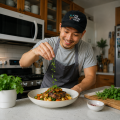
The Freshman Cook started as a place to keep track of recipes I wanted to make again. Somewhere along the way, it grew into a collection of meals that friends requested, desserts that disappeared too quickly, and weeknight dinners that made life a little easier.
know more