
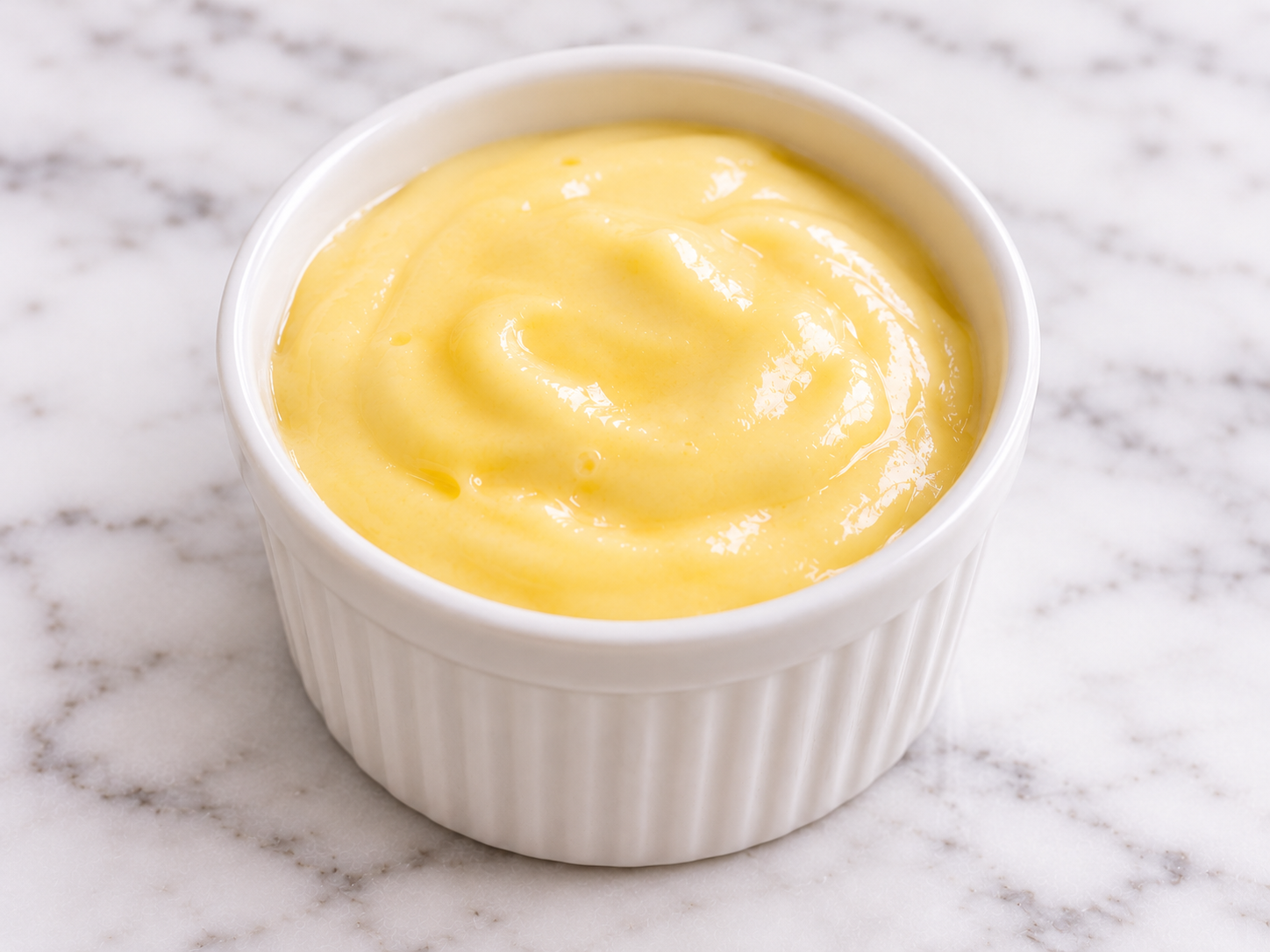

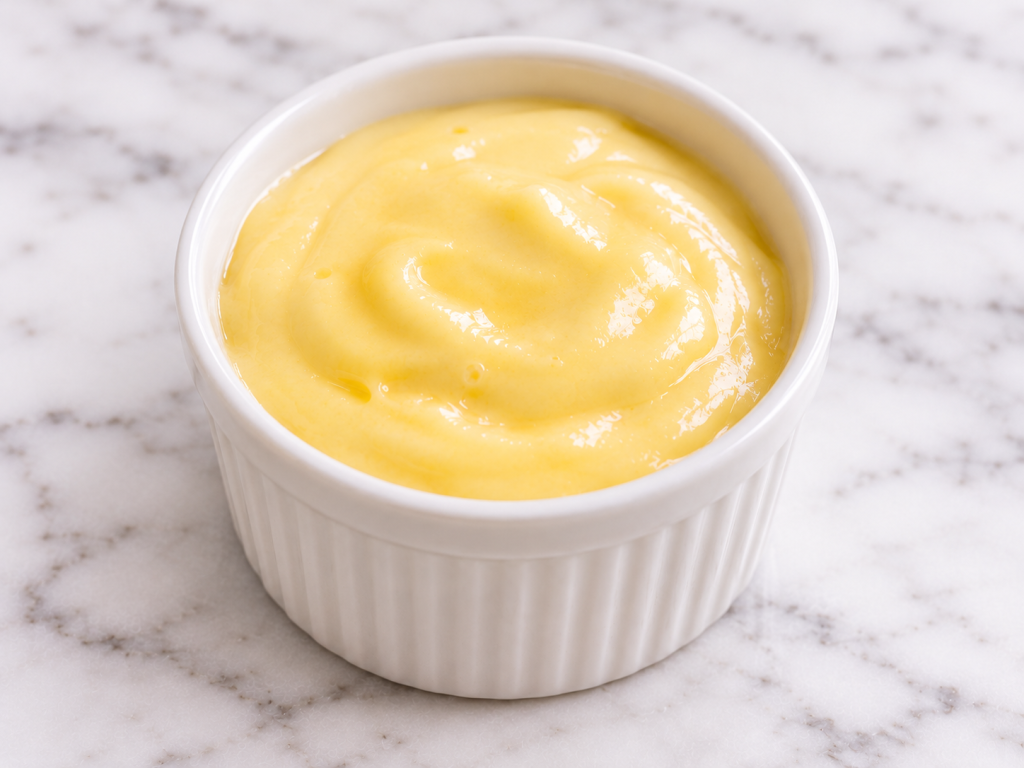
Coconut Pudding is a simple chilled dessert made with coconut milk, egg yolks, sugar, and cornstarch. The ingredients cook together in one saucepan, so you can prepare it without an oven or a complicated setup.
Coconut milk gives the pudding its distinct coconut taste, while egg yolks and butter add richness to the texture. After a short cooking time and a little chilling, it is ready to serve in individual dishes.
Why This Coconut Pudding Belongs in Your Dessert Rotation
- Quick Cooking: The pudding thickens on the stovetop in about 4 to 7 minutes.
- No Oven Needed: Everything comes together in a saucepan, making this useful when you don’t want to bake.
- Short Ingredient List: Coconut milk, egg yolks, sugar, cornstarch, butter, and coconut extract make up the recipe.
- Easy Portioning: Divide the mixture into individual dishes before chilling for ready-to-serve portions.
- Make-Ahead Friendly: Prepare the pudding ahead of dessert time and let it chill in the refrigerator.
- Beginner-Friendly Method: Constant whisking is the main technique needed to get the mixture thick and smooth.
Ingredients That Give This Pudding Its Texture

- Coconut Milk: This is the main liquid and provides the pudding’s coconut base. Use full-fat coconut milk for a thicker result.
- Egg Yolks: Egg yolks contribute richness and help give the cooked pudding a smooth consistency.
- White Sugar: Sugar sweetens the coconut milk and balances its natural taste.
- Cornstarch: This thickens the mixture as it heats. Make sure it dissolves completely before cooking to reduce the chance of lumps.
- Butter: Butter adds a smooth finish to the pudding as it melts into the warm mixture.
- Coconut Extract: A small amount reinforces the coconut flavor without requiring additional ingredients.
Chef’s Tip: Whisk the cornstarch into the coconut milk until no dry patches or visible lumps remain before heating. This gives the pudding a smoother start and makes it easier to cook evenly.
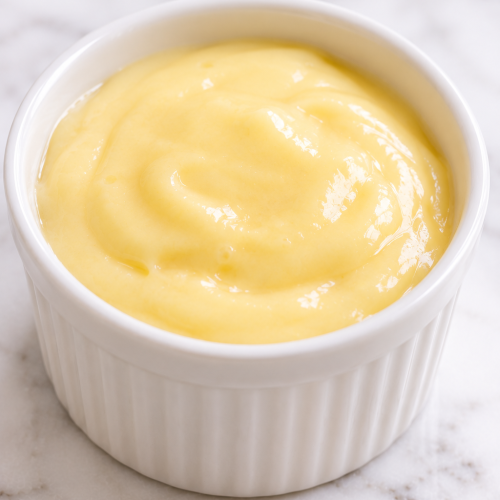
Coconut Pudding
Equipment
- Medium saucepan
- Whisk
Ingredients
- 1 tsp coconut extract
- 2 cups coconut milk
- 2 egg yolks
- ⅓ cups white sugar
- 2 tbsp cornstarch
- 2 tbsp butter
Instructions
- In a medium saucepan over medium heat, combine coconut milk, sugar, cornstarch, butter, egg yolks, and coconut extract.
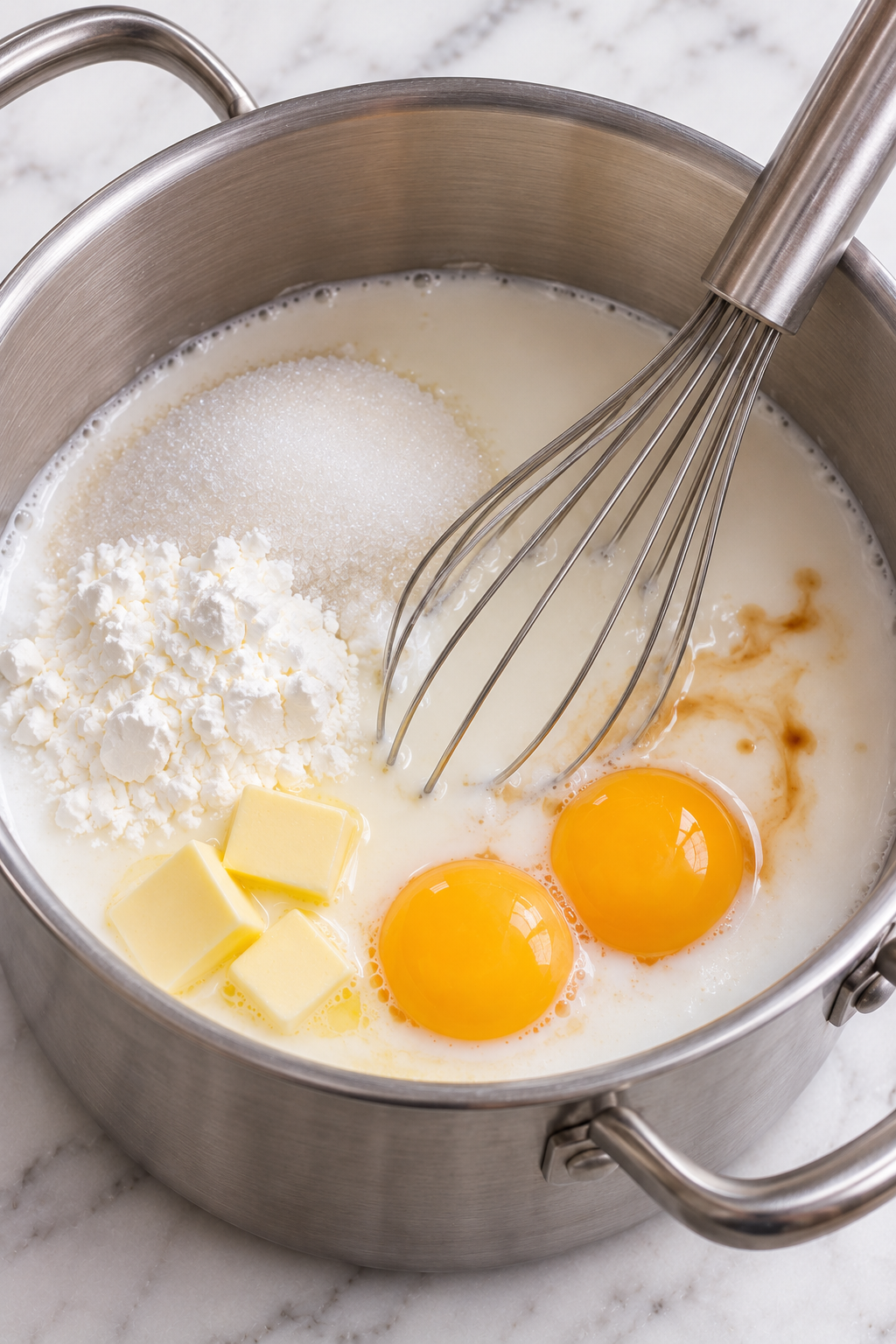
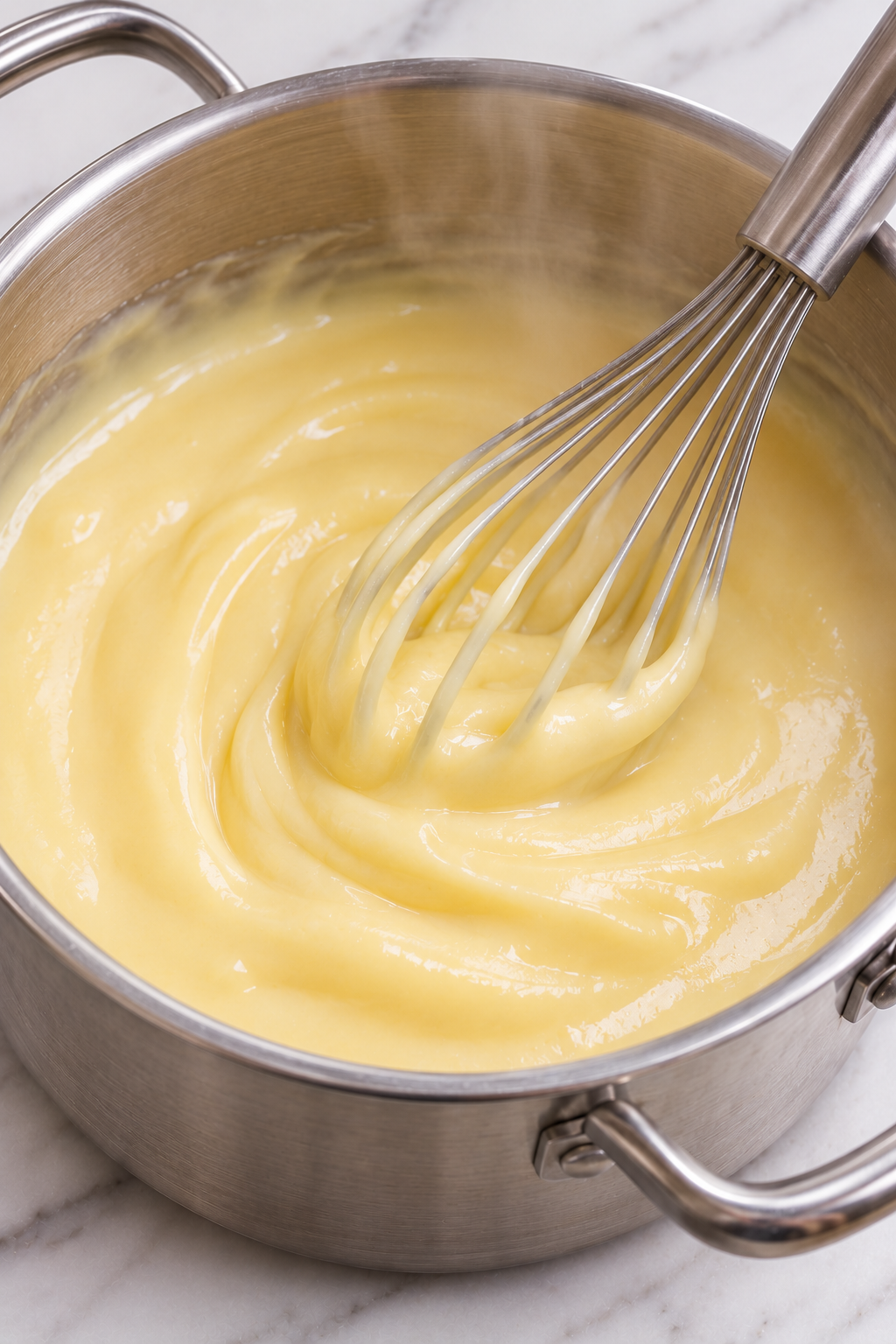
- Cook the mixture, whisking constantly, until it thickens, which should take about 4 to 7 minutes.
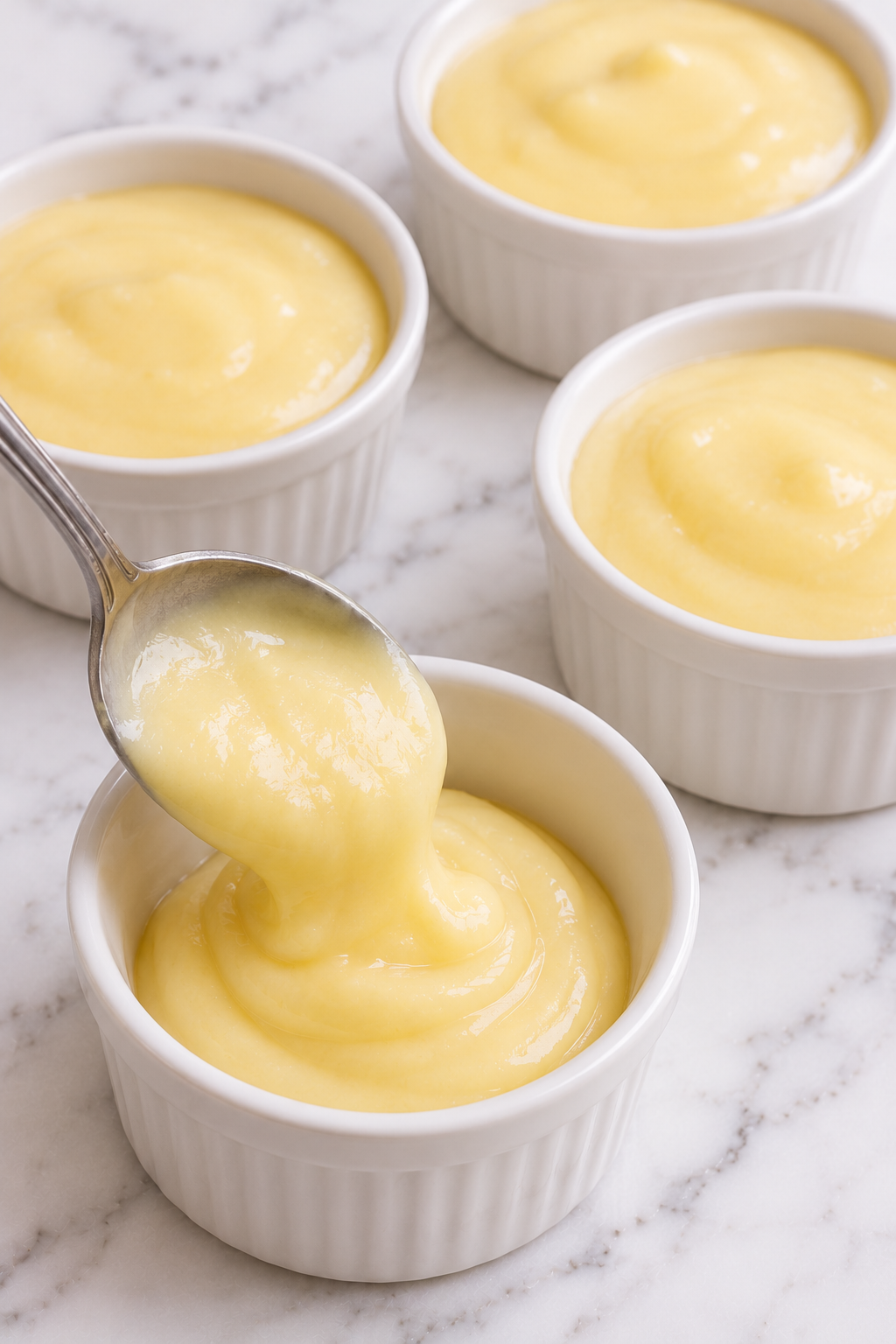
- Divide the pudding into individual serving dishes and refrigerate for at least 15 to 20 minutes before serving.
Notes
- Ensure the cornstarch is fully dissolved in the coconut milk before heating to avoid lumps. A smooth mixture will result in a creamier pudding.
- For an extra depth of flavor, toast the coconut flakes lightly before using them as a garnish.
Nutrition Facts:
| Nutrition | Value |
|---|---|
| Calories | 382 kcal |
| Carbohydrates | 24 g |
| Protein | 4 g |
| Vitamin C | 1 mg |
| Iron | 4 mg |
| Sugar | 17 g |
| Calcium | 33 mg |
Common Coconut Pudding Problems and How to Fix Them
- Lumpy Pudding: Cornstarch can form lumps if it is not mixed thoroughly before heating. Dissolve it completely in the coconut milk first.
- Pudding Not Thickening: The mixture needs enough heat and cooking time for the cornstarch to activate. Keep whisking over medium heat until it thickens.
- Scrambled Egg Bits: Egg yolks can cook too quickly if the mixture heats unevenly. Whisk constantly and avoid turning the heat too high.
- Scorched Bottom: Pudding can stick to the bottom of the saucepan when left undisturbed. Keep the whisk moving across the bottom and corners of the pan.
- Uneven Texture: Stopping the whisking while the pudding cooks can leave some areas thicker than others. Whisk continuously until the mixture is ready.
- Skin on Top: A thin layer can form as the pudding cools. Press plastic wrap directly against the surface before refrigerating if you want to prevent it.
Easy Ways to Change Up Coconut Pudding
- Toasted Coconut Topping: Sprinkle lightly toasted coconut flakes over the pudding just before serving.
- Vanilla-Coconut Pudding: Add a small amount of vanilla extract alongside the coconut extract for a different aroma.
- Mango Coconut Pudding: Add small pieces of ripe mango on top when serving.
- Chocolate Coconut Pudding: Add a little melted chocolate to the cooked mixture and whisk until incorporated.
- Citrus Coconut Pudding: Add a little finely grated lime zest for a fresh citrus note.
- Layered Coconut Dessert: Alternate the pudding with crushed graham crackers in individual glasses.
What to Serve With Coconut Pudding?
- Salty Marshmallow Banana Bread
- Cookie Cups
- Peanut Clusters
- Fruit Salad With Whipped Cream
- Soft Almond Sugar Cookies
How to Store Coconut Pudding
- Make Ahead: Prepare the pudding earlier in the day so it has time to chill before serving.
- Refrigerator: Cover the individual dishes and keep them refrigerated. For the best texture, enjoy within 3 days.
- Freezer: Freezing is not recommended because cornstarch-thickened pudding can separate or become grainy after thawing.
- Reheating: This pudding is intended to be served cold. If it becomes too firm, let it sit at room temperature briefly rather than heating it.
- Keep It Covered: Cover the surface or each serving dish to prevent the pudding from absorbing refrigerator odors or forming a dry layer.
Frequently Asked Questions
1. Can I use canned coconut milk for this recipe?
Yes. Canned coconut milk works well, especially the full-fat variety. Stir it thoroughly before measuring because the thick cream and liquid can separate in the can.
2. Can I make this pudding without coconut extract?
Yes. You can leave it out, although the coconut flavor may be milder. The coconut milk will still provide the main flavor.
3. Why does the recipe use egg yolks instead of whole eggs?
Egg yolks add richness and help create a smooth pudding. Whole eggs contain additional egg whites, which can change the finished texture.
4. Can I use a different sweetener?
White sugar is the sweetener specified in this recipe. Other sweeteners may affect the taste, color, or consistency, so results can vary.
5. How do I know when the pudding is thick enough?
It should visibly thicken as you whisk. The mixture should coat the whisk rather than run off like thin coconut milk.
6. Can I serve the pudding in one large bowl?
Yes. You can transfer the cooked pudding to one larger serving bowl instead of dividing it into individual dishes. Chill it before serving.
7. Can I garnish coconut pudding with something other than coconut flakes?
Yes. Fresh mango, pineapple pieces, lime zest, or a few toasted nuts can be used as toppings.

hi there,
i’m Archie
A San Diego-born home cook who turns her kitchen into a playground of flavors.