

There’s something special about pulling a warm loaf of homemade bread from the oven, especially when it requires almost no effort.
This Easy No-Knead Bread is a simple recipe made with basic pantry ingredients, creating a rustic artisan-style loaf without the need for complicated techniques or special baking skills.
The magic happens while the dough rests, allowing time to develop flavor and structure without kneading.
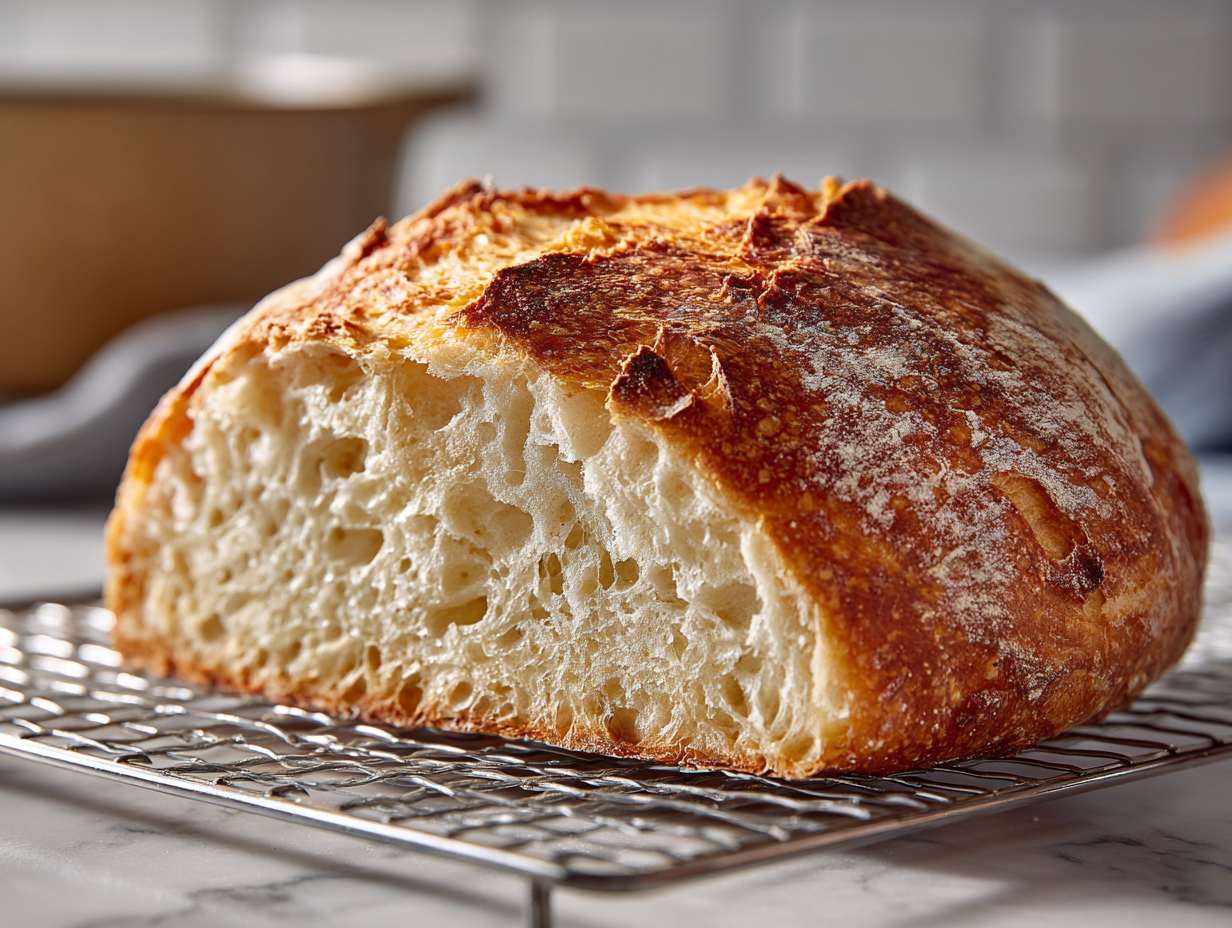
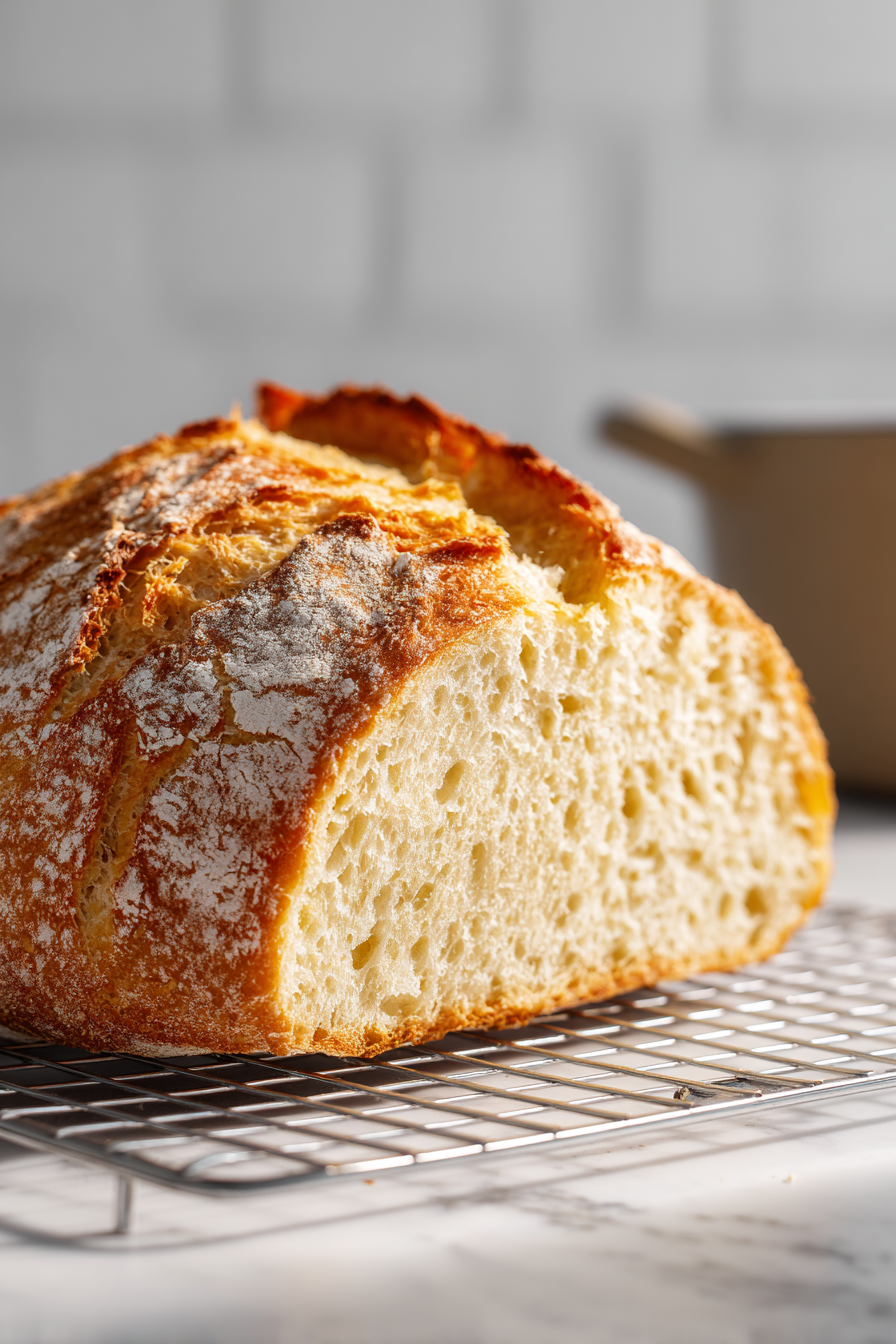
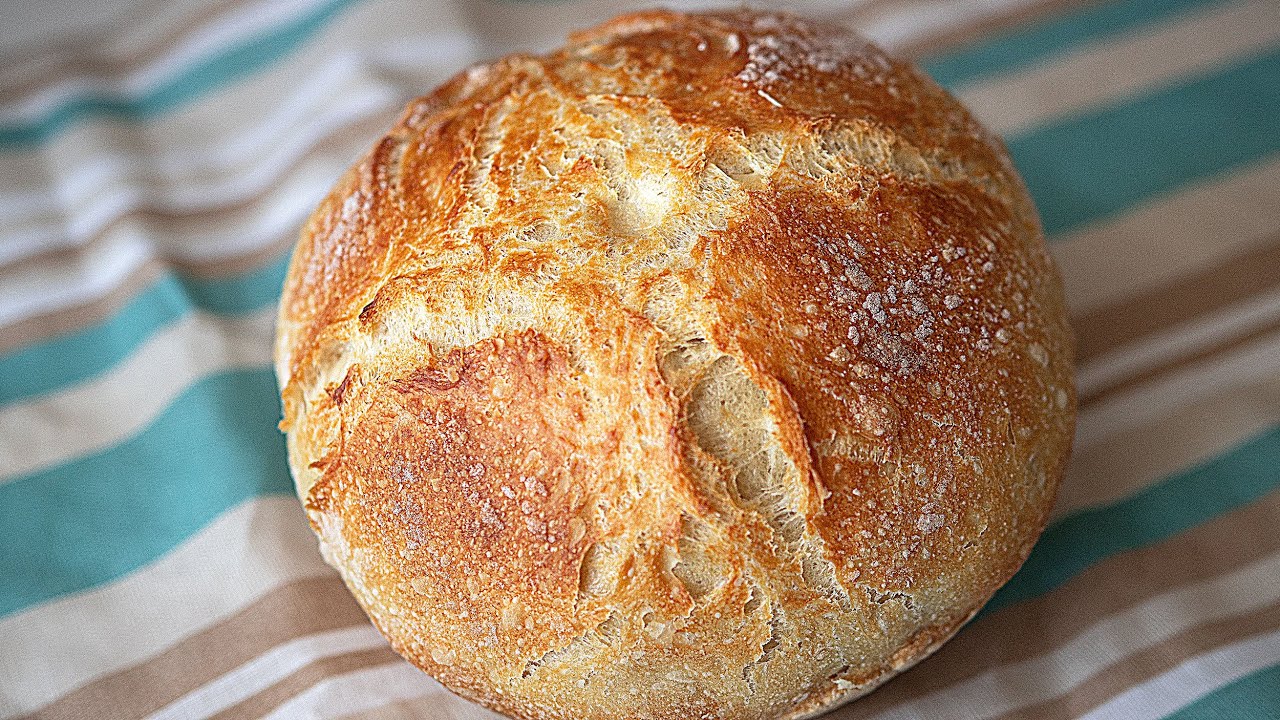
The result is a beautifully golden crust with a soft, airy interior that’s perfect for sandwiches, soups, toast, or enjoying warm with a little butter.
Why You’ll Keep Making This Recipe
- Beginner Friendly: No kneading or advanced bread-making skills are required.
- Simple Ingredients: Uses basic pantry staples you likely already have.
- Minimal Effort: Most of the process involves resting while the dough develops.
- Versatile Bread: Great for breakfast, sandwiches, soups, or everyday meals.
- Budget Friendly: Homemade bread made with inexpensive ingredients.
- Perfect for Fresh Baking: Enjoy bakery-style bread straight from your own oven.
Ingredient Insights and Swaps

- Flour: Bread flour creates a slightly chewier loaf, while all-purpose flour works well for a softer texture.
- Yeast: Instant or rapid-rise yeast helps the dough rise reliably without needing a separate activation step.
- Warm Water: Use warm water, not hot, so it activates the yeast without damaging it.
- Salt: Kosher salt enhances the flavor of the bread and balances the mild taste of the flour.
- Dusting Flour: A small amount of flour helps shape the dough and prevents sticking during preparation.
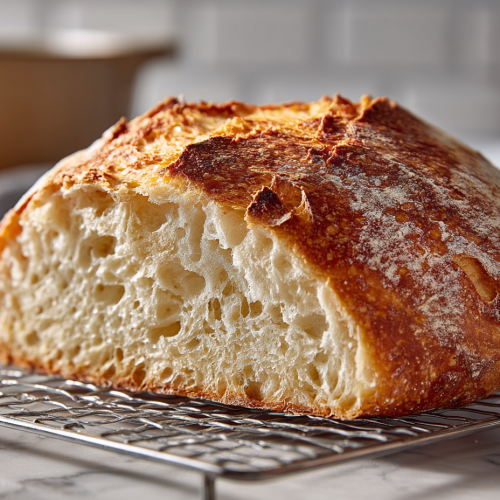
Easy No Knead Bread
Equipment
- Wooden spoon
- Large mixing bowl
- Parchment paper
- Dutch oven (or heavy oven-safe pot)
- Cooling rack
Ingredients
- 1½ tbsp flour , for dusting
- 2 tsp cooking / kosher salt
- 1½ cups Warm Water
- 2 tsp instant or rapid rise yeast
- 3 cups flour, bread or plain/all purpose
Instructions
- Combine flour, yeast, and salt in a large bowl.
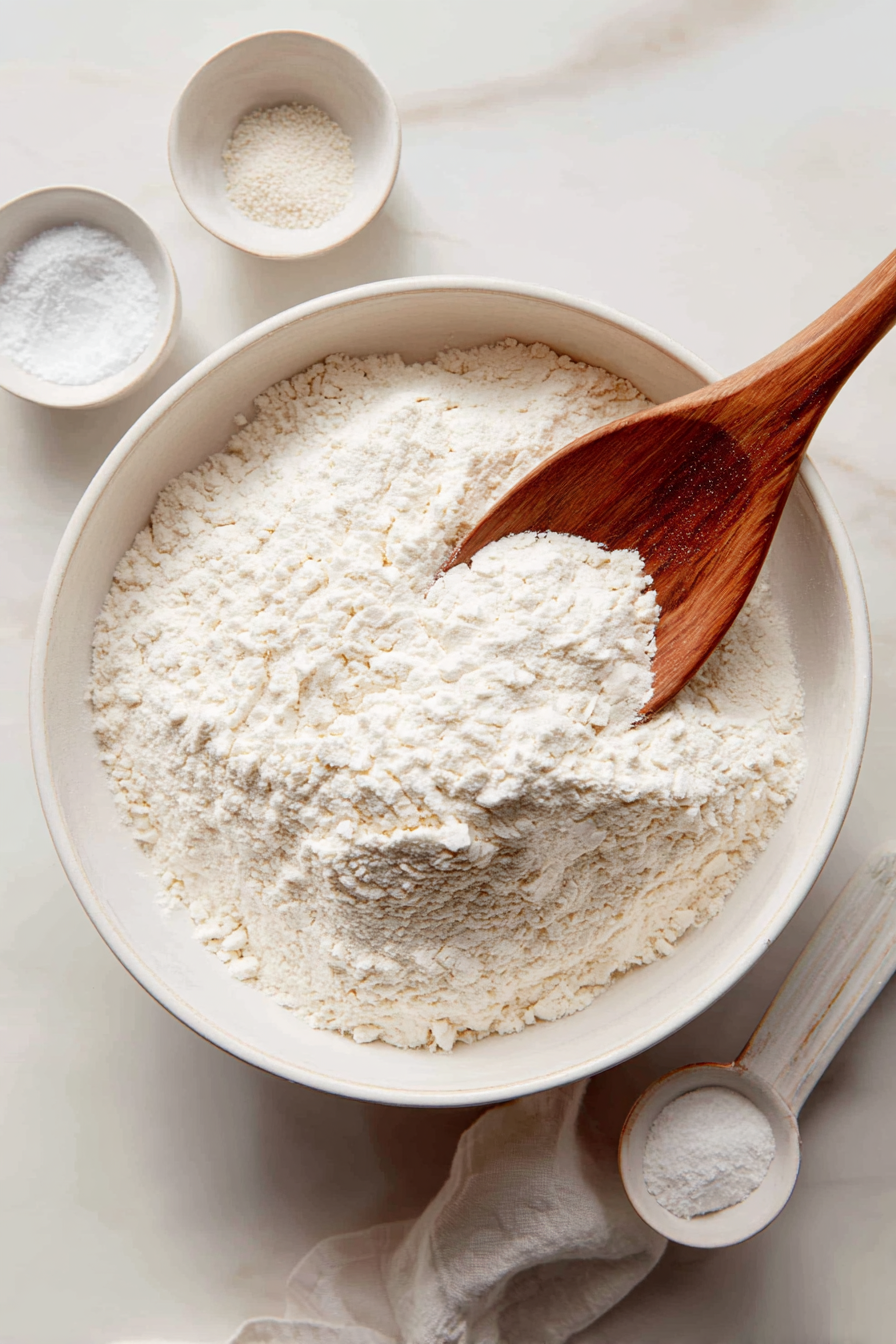
- Add water and mix with a wooden spoon until all flour is incorporated.
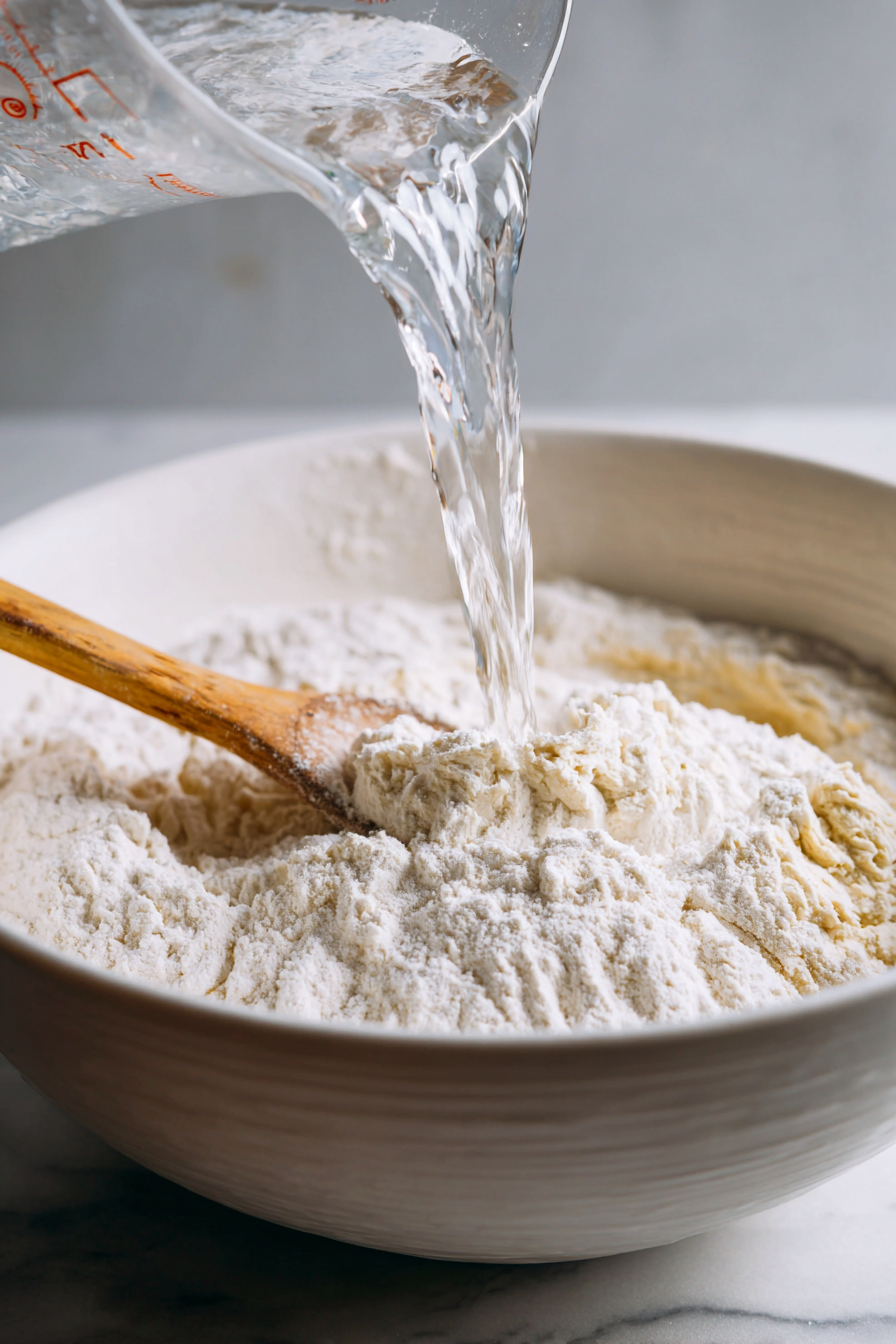
- The dough should look shaggy and loose, not smooth like traditional kneaded dough.
- Adjust water or flour as needed.
- Cover and let the dough rise at room temperature for 2 hours, until it doubles in size and looks bubbly.
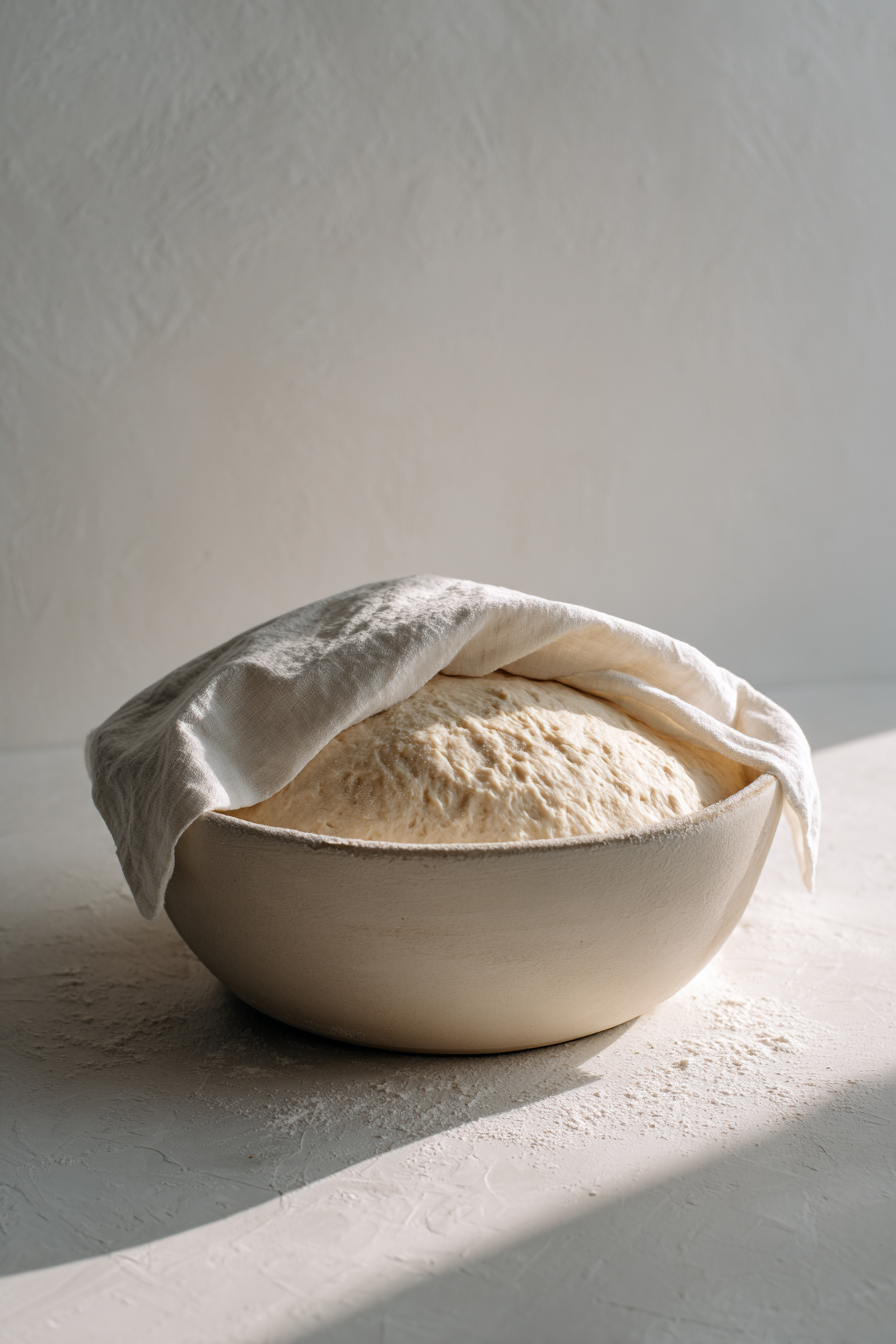
- If it’s not rising, place it in a warmer spot.
- For enhanced flavor, refrigerate the dough for up to 3 days.
- If refrigerated, let it sit at room temperature for 45-60 minutes before baking.
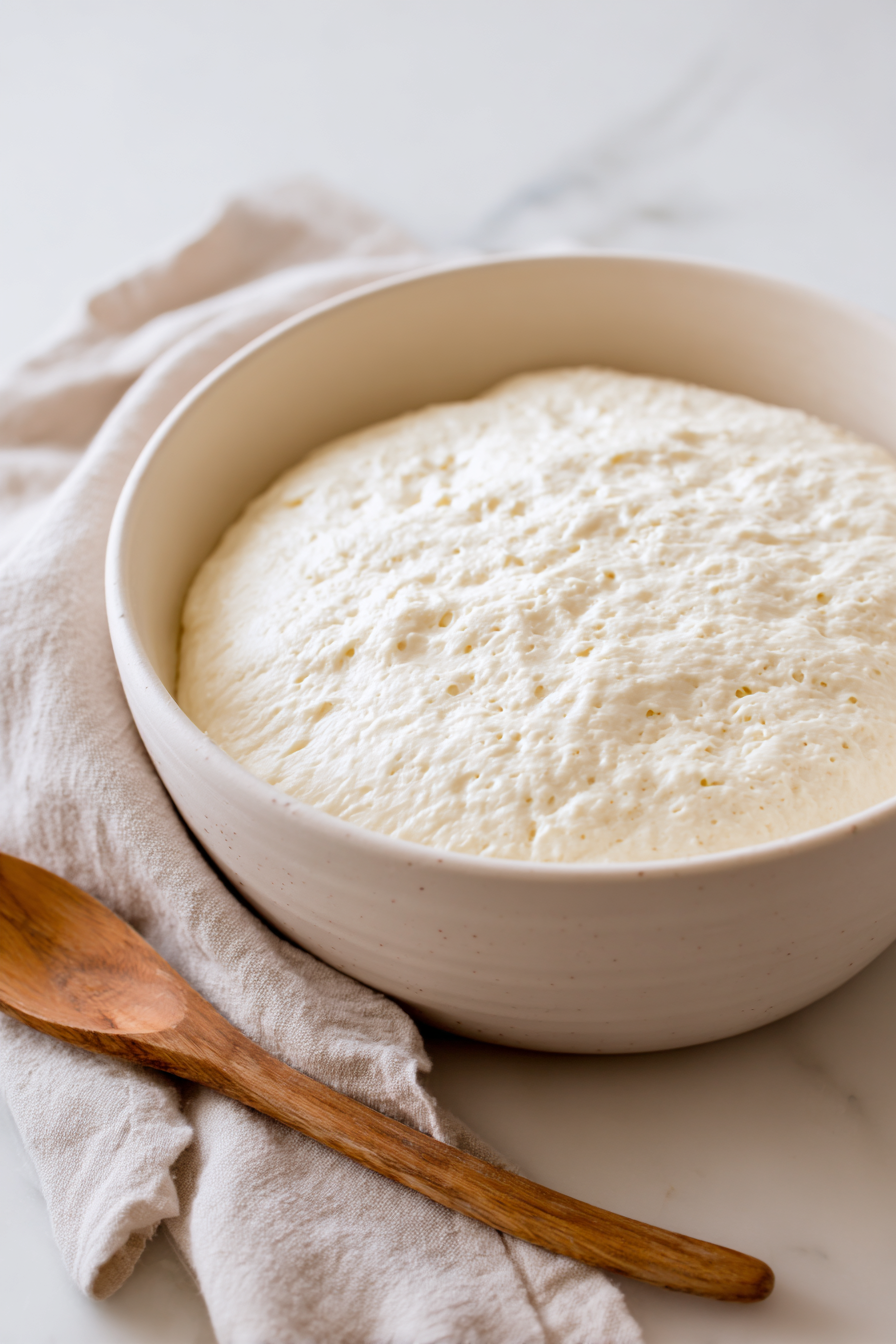
- Preheat a Dutch oven with its lid at 450°F (230°C) for 30 minutes.
- Sprinkle flour on the surface and shape the dough by folding the edges inward.
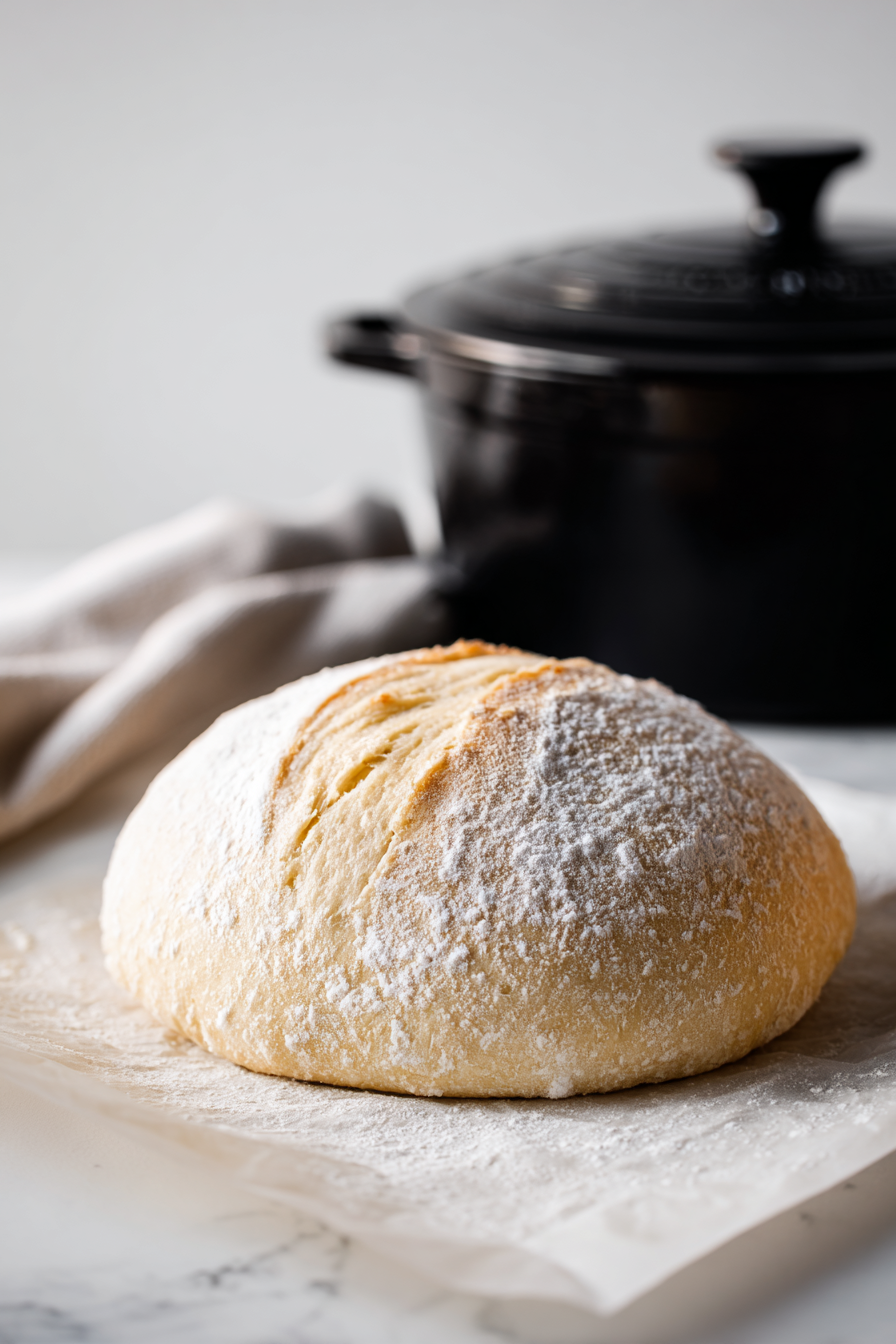
- Place the dough seam-side down onto parchment paper, and form it into a roundish shape.
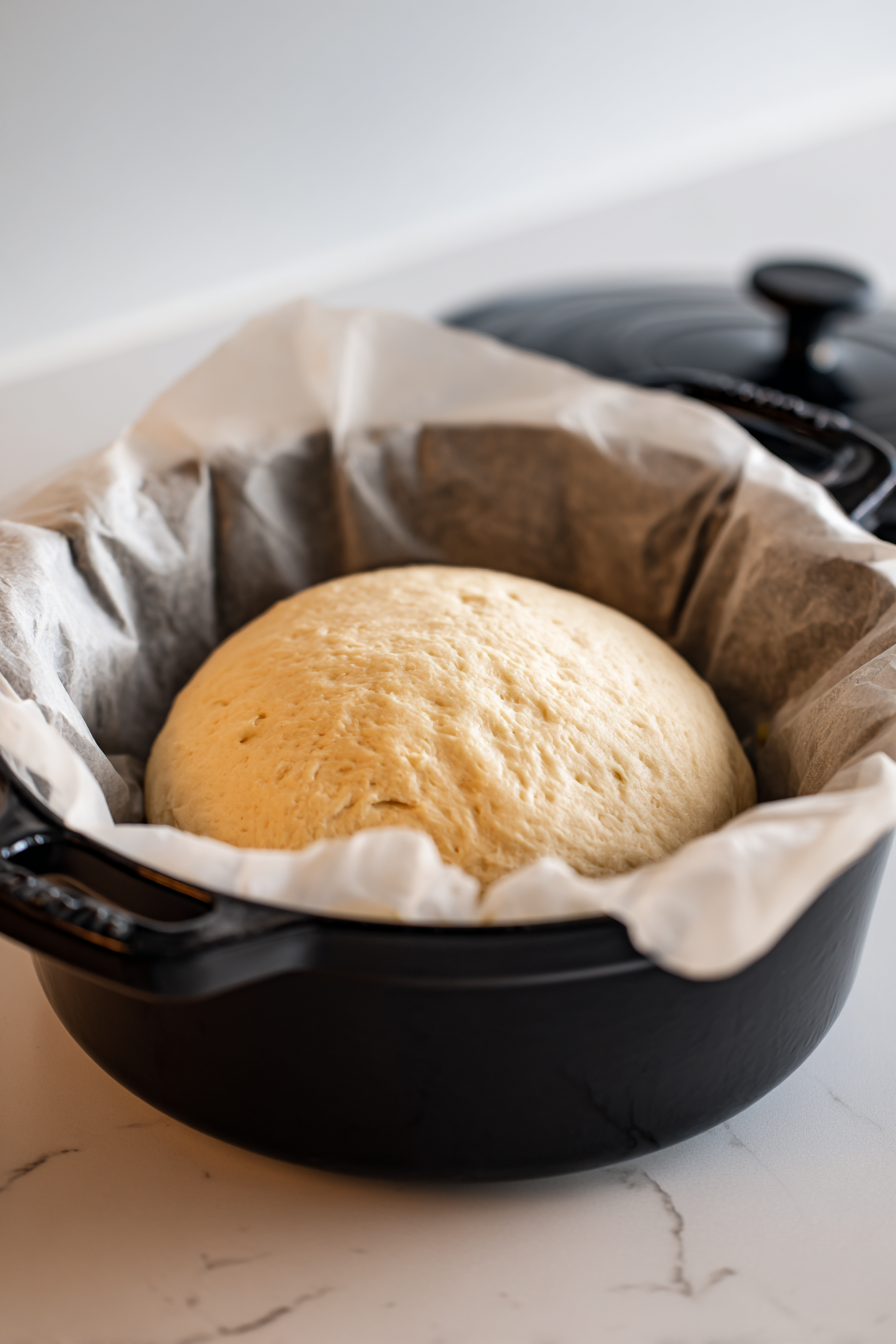
- Place the dough (with parchment) into the preheated Dutch oven.
- Bake for 30 minutes covered, then another 12 minutes uncovered until golden brown.
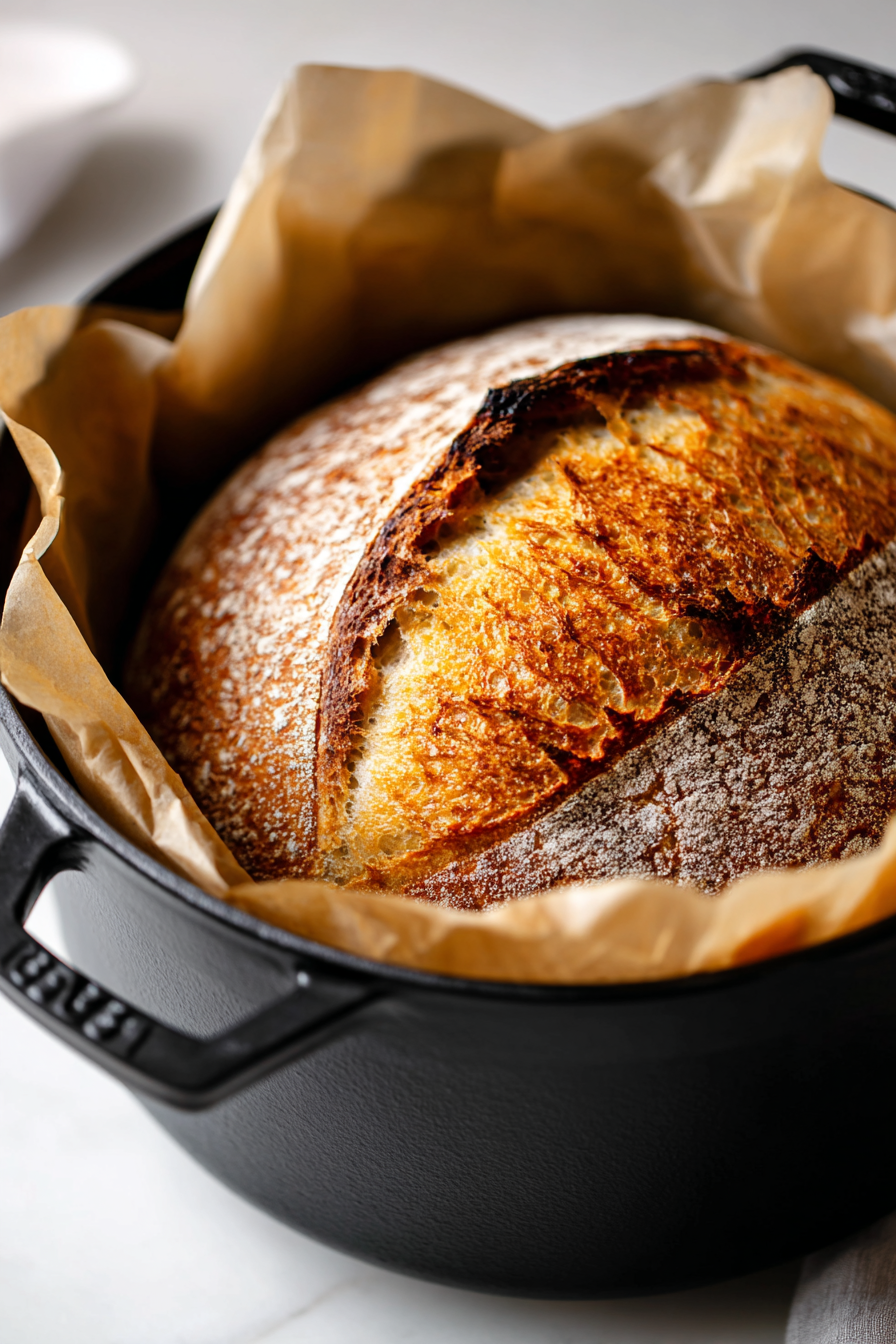
- Cool on a rack before slicing.
Notes
- If you don’t have a dutch oven, bake on a baking sheet with a pan of water underneath.
Pro Tip: Preheating the Dutch oven is what gives this bread its bakery-style crust. The trapped steam inside the hot pot helps create that beautiful golden crackly finish.
Nutrition Information
| Nutrient | Per Serving |
|---|---|
| Calories | 155 kcal |
| Carbohydrates | 32 g |
| Protein | 5 g |
| Fat | 1 g |
| Fiber | 1 g |
| Sugar | 0 g |
| Sodium | 390 mg |
Common Mistakes to Avoid
- Using Water That Is Too Hot: Extremely hot water can prevent the yeast from working properly.
- Adding Too Much Flour: A dry dough will create a heavier loaf instead of a light interior.
- Skipping the Rise Time: The resting period allows the dough to develop structure and flavor.
- Cutting Too Soon: Slicing warm bread immediately can make the inside appear gummy.
- Not Preheating the Dutch Oven: A hot baking vessel helps create a better crust.
- Handling the Dough Too Much: Overworking the dough removes the benefit of the no-knead method.
Easy Ways to Change It Up
- Garlic Herb Bread: Add minced garlic and dried herbs to the dough before rising.
- Cheese Bread: Fold shredded cheddar or Parmesan into the dough.
- Whole Wheat Version: Replace part of the flour with whole wheat flour for a nuttier flavor.
- Seeded Loaf: Add sunflower seeds, sesame seeds, or flax seeds on top before baking.
- Rosemary Bread: Mix fresh rosemary into the dough for a fragrant loaf.
- Olive Bread: Add chopped olives for a Mediterranean-inspired variation.
- Cinnamon Raisin Bread: Add cinnamon and raisins for a sweeter breakfast loaf.
Tasty Sides With Easy No Knead Bread!
- Creamy Spinach Sun-Dried Tomato Pasta
- Chicken Pesto Pasta Bake
- Creamy Beef Taco Soup
- Mexican Street Slaw
Best Ways to Store Homemade Bread
- Room Temperature Storage: Keep the cooled loaf in a bread bag or airtight container for up to 3 days.
- Refrigerator Storage: Store in the refrigerator for up to 1 week, though the crust may soften.
- Freezer Storage: Freeze sliced bread in a freezer-safe bag for up to 3 months.
- Reheating: Warm slices in a toaster or heat the loaf briefly in the oven to refresh the crust.
- Freshness Tip: Allow the bread to cool completely before storing to prevent trapped moisture.
Frequently Asked Questions
- Why is my no-knead bread dough so sticky?
A sticky dough is normal for this recipe. The higher moisture content helps create a softer interior and better texture. - Can I make this bread without a Dutch oven?
Yes. Bake it on a baking sheet with a pan of water underneath to create steam and help develop the crust. - How long can the dough stay refrigerated?
The dough can be refrigerated for up to 3 days, allowing the flavor to develop further. - Why didn’t my bread rise properly?
The yeast may not have activated well, or the dough may have been placed in a spot that was too cool. - Can I use active dry yeast instead of instant yeast?
Yes. Active dry yeast can be used, but it may need a little extra time to fully activate and rise. - Why is my bread dense inside?
Dense bread can result from insufficient rising time, too much flour, or not allowing the dough to develop properly.


hi there,
i’m Archie
A San Diego-born home cook who turns her kitchen into a playground of flavors.