
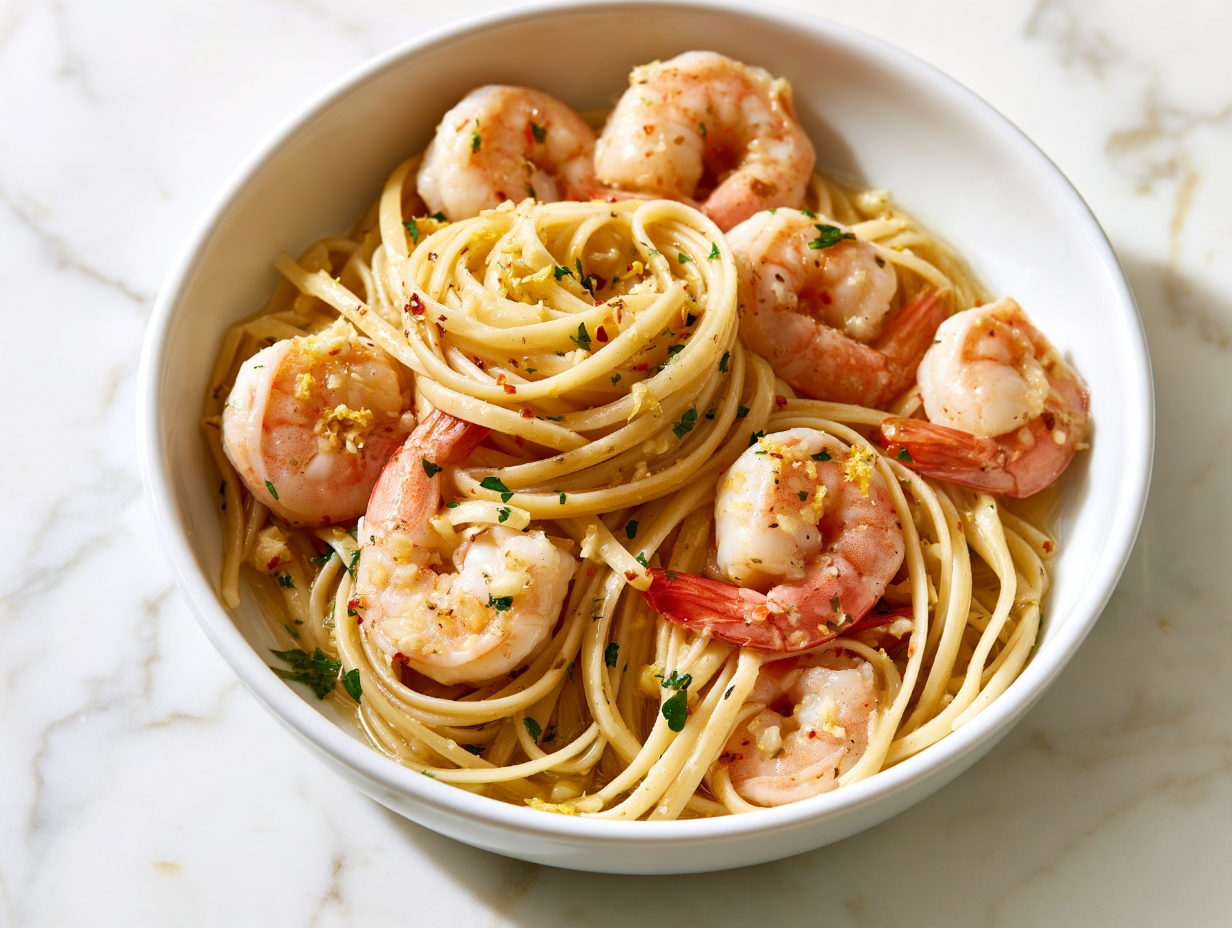

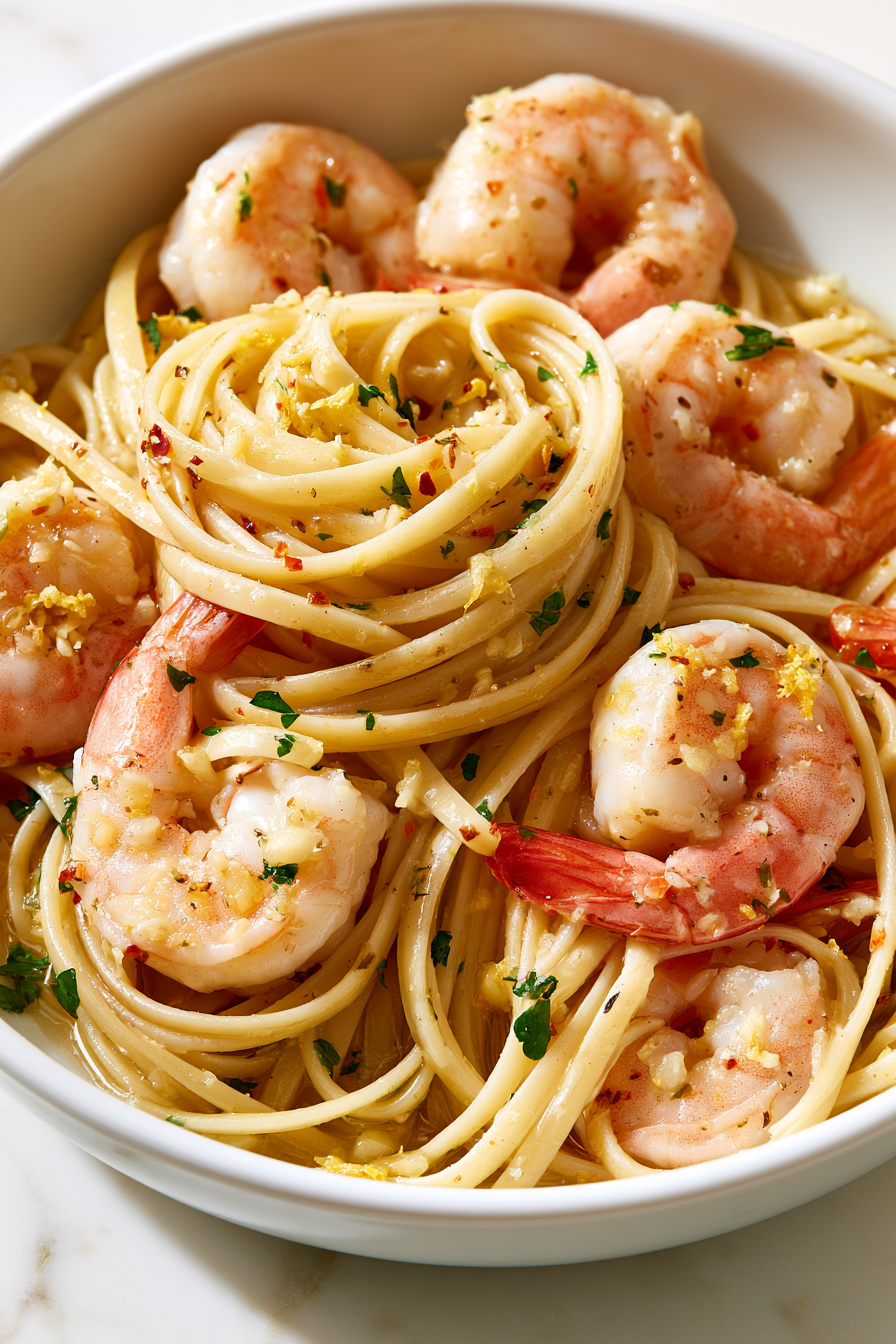
This Shrimp Scampi Pasta Recipe combines juicy shrimp, tender pasta, and a buttery garlic sauce brightened with fresh lemon, dry white wine, and parsley.
It is a classic Italian-American dish that feels special enough for a dinner party but comes together quickly enough for an easy evening meal.
The sauce coats every strand of linguine or spaghetti with a savory garlic butter flavor, while lemon adds freshness and red pepper flakes bring a gentle kick.
The shrimp cook quickly, so each bite stays tender, and a splash of reserved pasta water helps create a smooth, glossy sauce without making it heavy.
Why You’ll Love This Recipe
- Ready in about 35 minutes: The pasta and sauce come together quickly, making this a practical option when you want a homemade seafood dinner without spending hours in the kitchen.
- Simple ingredients: Shrimp, garlic, butter, olive oil, lemon, and parsley create a satisfying dish without a long shopping list.
- Easy to adjust: You can control the lemon, garlic, and red pepper flakes to suit your taste.
- A useful entertaining recipe: The pasta looks inviting when served in warm bowls with fresh parsley and lemon wedges.
- Flexible pasta choices: Linguine and spaghetti both work well, and the sauce coats long pasta strands beautifully.
- No cream required: Butter, olive oil, wine, and starchy pasta water create a glossy sauce without needing heavy cream.
Ingredients That Make the Sauce Shine

- Large shrimp: Peeled and deveined shrimp make preparation easier. Pat them dry before cooking so they sear rather than release too much moisture into the skillet.
- Linguine or spaghetti: Both shapes work well with the light garlic butter sauce. Cook the pasta until al dente so it retains some bite when tossed with the sauce.
- Unsalted butter and extra-virgin olive oil: Butter provides richness, while olive oil helps cook the shrimp and aromatics. Using unsalted butter gives you better control over the final seasoning.
- Fresh garlic and shallots: Garlic supplies the familiar scampi aroma, while shallots add a mild sweetness. Mince the garlic evenly so it cooks quickly without burning.
- Dry white wine: Wine adds acidity and depth to the sauce. Choose a dry variety, such as Sauvignon Blanc or Pinot Grigio, rather than a sweet wine.
- Fresh lemon juice and zest: Juice brings brightness, while zest contributes a fragrant citrus note. Zest the lemon before cutting it to make the process easier.
- Parsley and red pepper flakes: Parsley adds freshness, and red pepper flakes provide a gentle heat. Adjust the flakes according to your preference.
Chef’s Tip: Reserve the starchy pasta water before draining the noodles. Add it gradually to the butter and wine sauce while tossing the pasta. The starch helps the sauce cling to the strands instead of pooling at the bottom of the bowl.
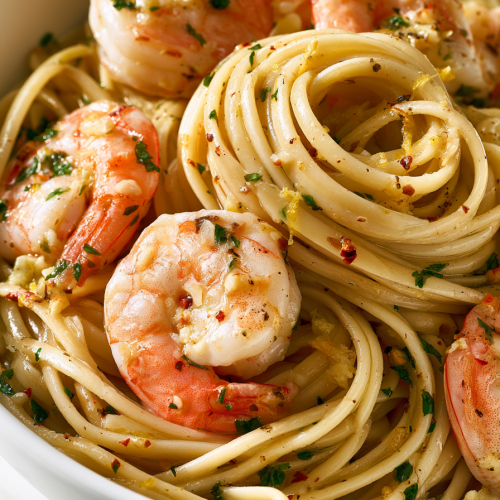
Shrimp Scampi Pasta Recipe
Equipment
- Large pot for boiling pasta
- Large skillet or sauté pan
- Colander
- Tongs
- Wooden spoon or silicone spatula
- Chef’s knife and cutting board
- Measuring cups and spoons
- Lemon zester or fine grater
Ingredients
- 12 ounces 340 g linguine or spaghetti
- 1 pound 450 g large shrimp, peeled and deveined
- 3 tablespoons extra-virgin olive oil divided
- 4 tablespoons 56 g unsalted butter
- 4 garlic cloves minced
- 2 shallots finely chopped
- ½ teaspoon red pepper flakes or to taste
- ½ cup 120 ml dry white wine
- 2 tablespoons fresh lemon juice
- 1 teaspoon finely grated lemon zest
- ¼ cup 15 g fresh parsley, finely chopped
- Salt to taste
- Freshly ground black pepper to taste
- ½ cup reserved pasta cooking water as needed
- Lemon wedges for serving
Instructions
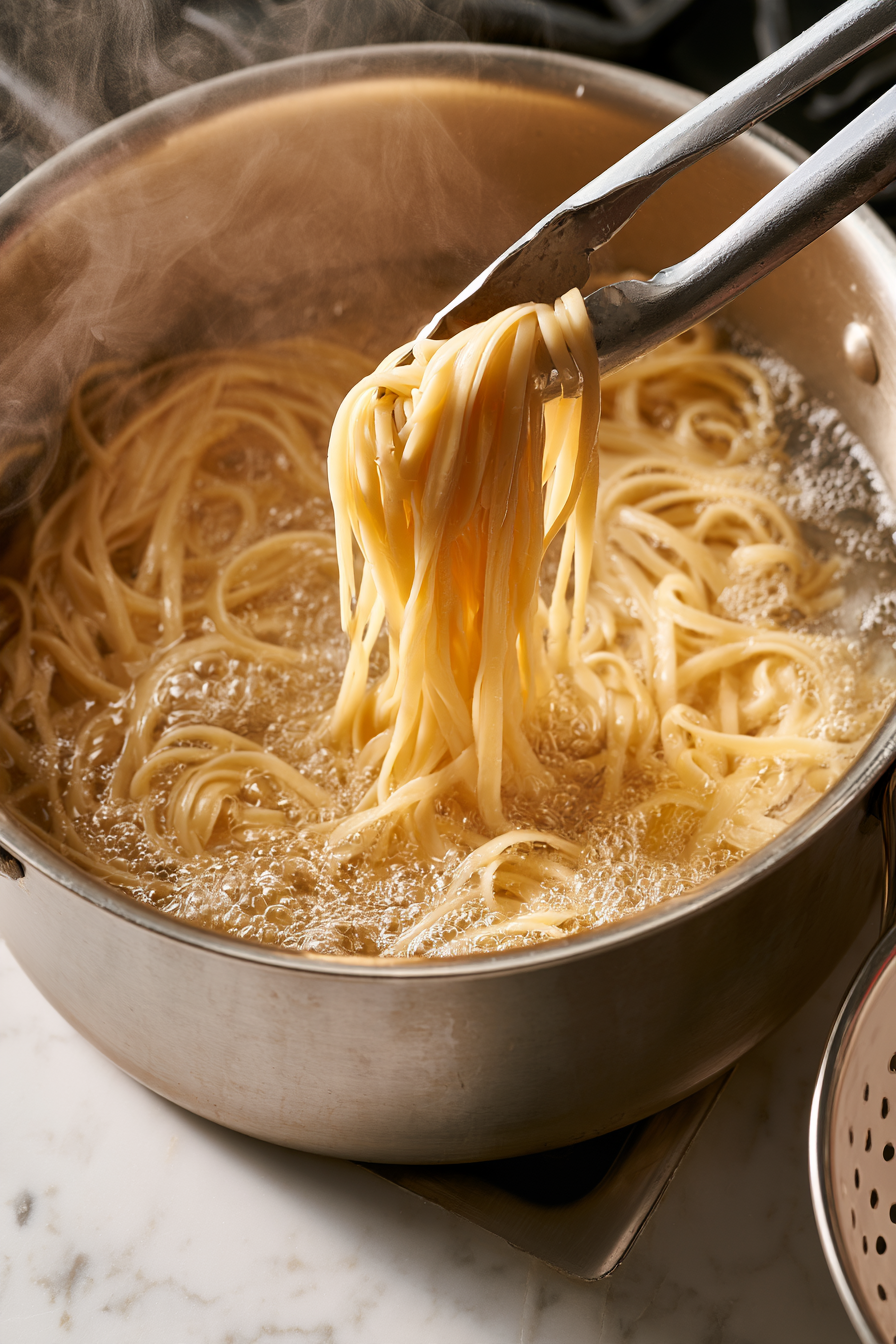
- Bring a large pot of generously salted water to a boil. Add the linguine or spaghetti and cook according to the package instructions until al dente. Before draining, reserve about 1 cup of the starchy pasta water, then drain the pasta.
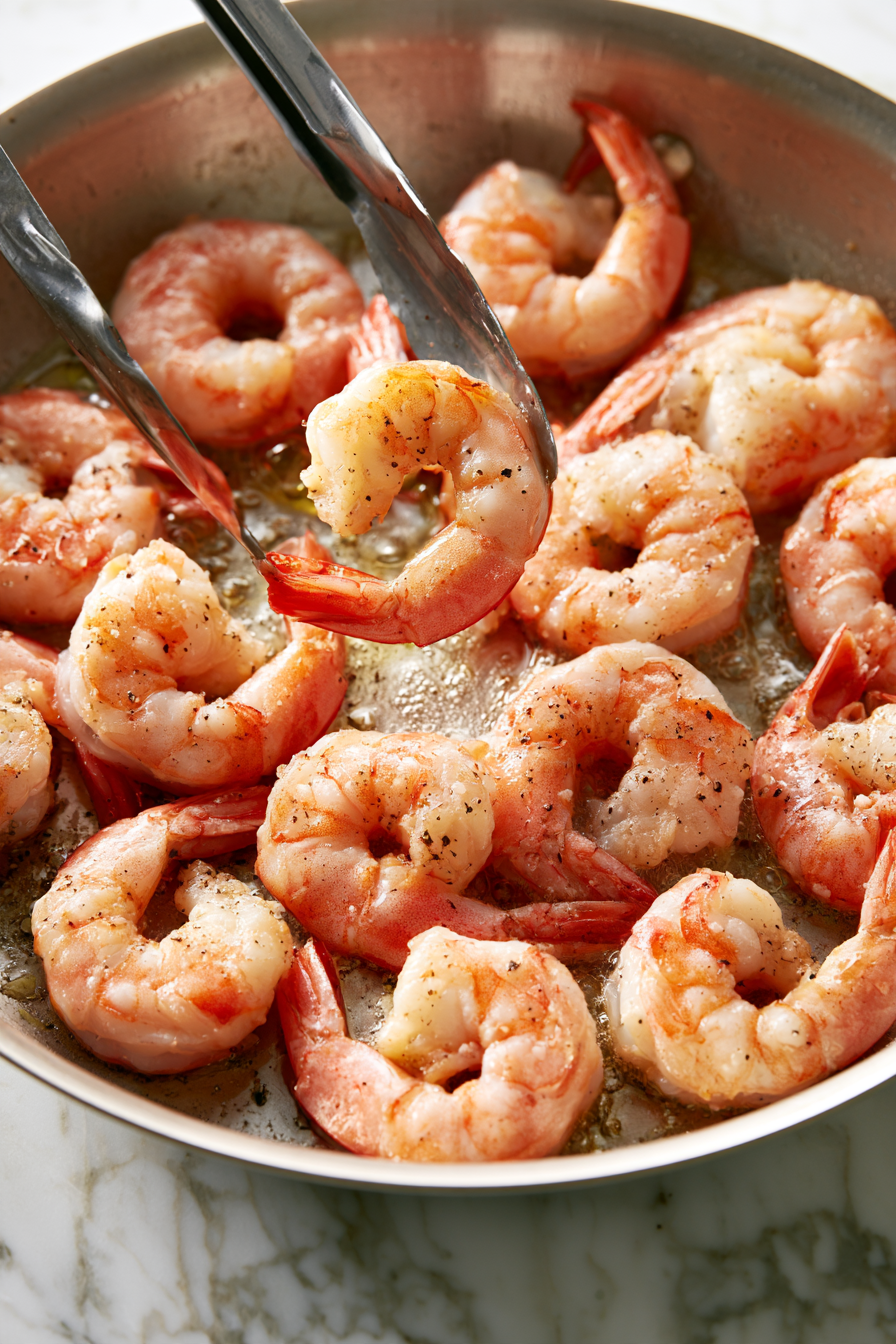
- Pat the shrimp dry with paper towels and season lightly with salt and freshly ground black pepper. Heat 2 tablespoons of olive oil in a large skillet over medium-high heat. Add the shrimp in a single layer and cook for about 1–2 minutes per side, until pink and just opaque. Transfer them to a plate so they do not overcook.
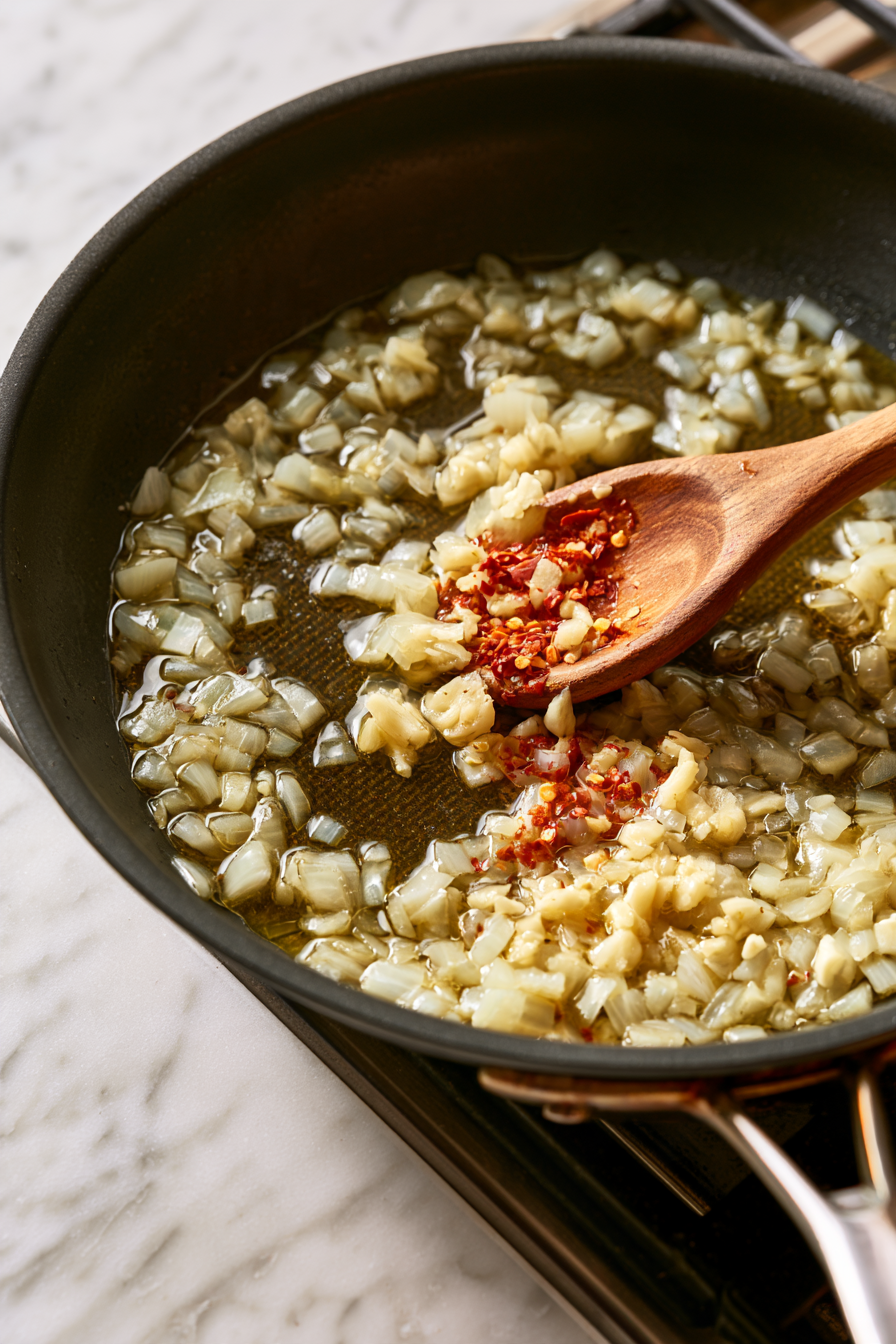
- Reduce the heat to medium and add the remaining tablespoon of olive oil along with the chopped shallots. Cook for about 2 minutes, stirring occasionally, until softened. Add the minced garlic and red pepper flakes, then cook for another 30 seconds until fragrant.
- Pour in the white wine and bring it to a gentle simmer. Scrape up any flavorful browned bits from the bottom of the skillet and let the wine reduce for 3–4 minutes, until slightly concentrated.
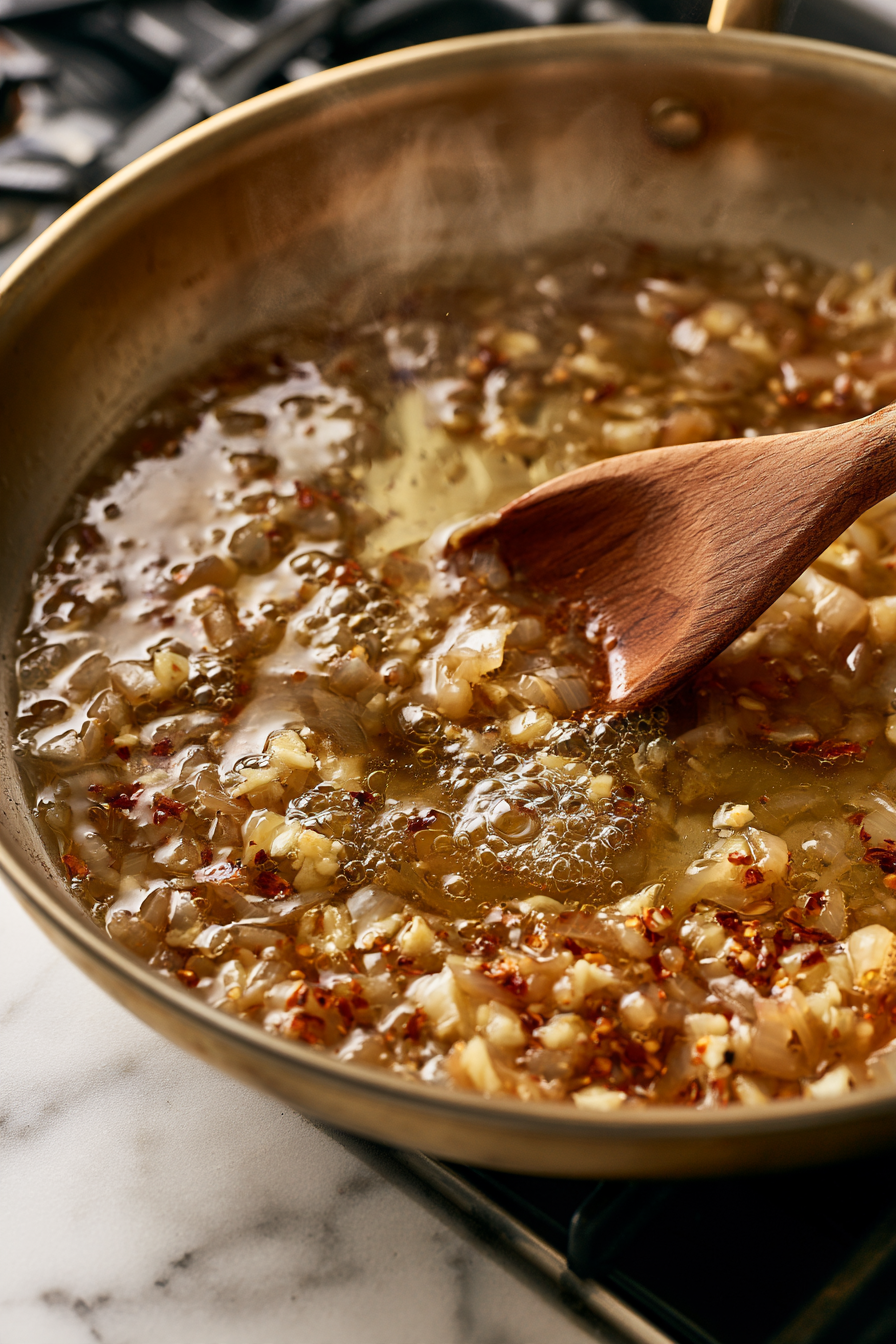
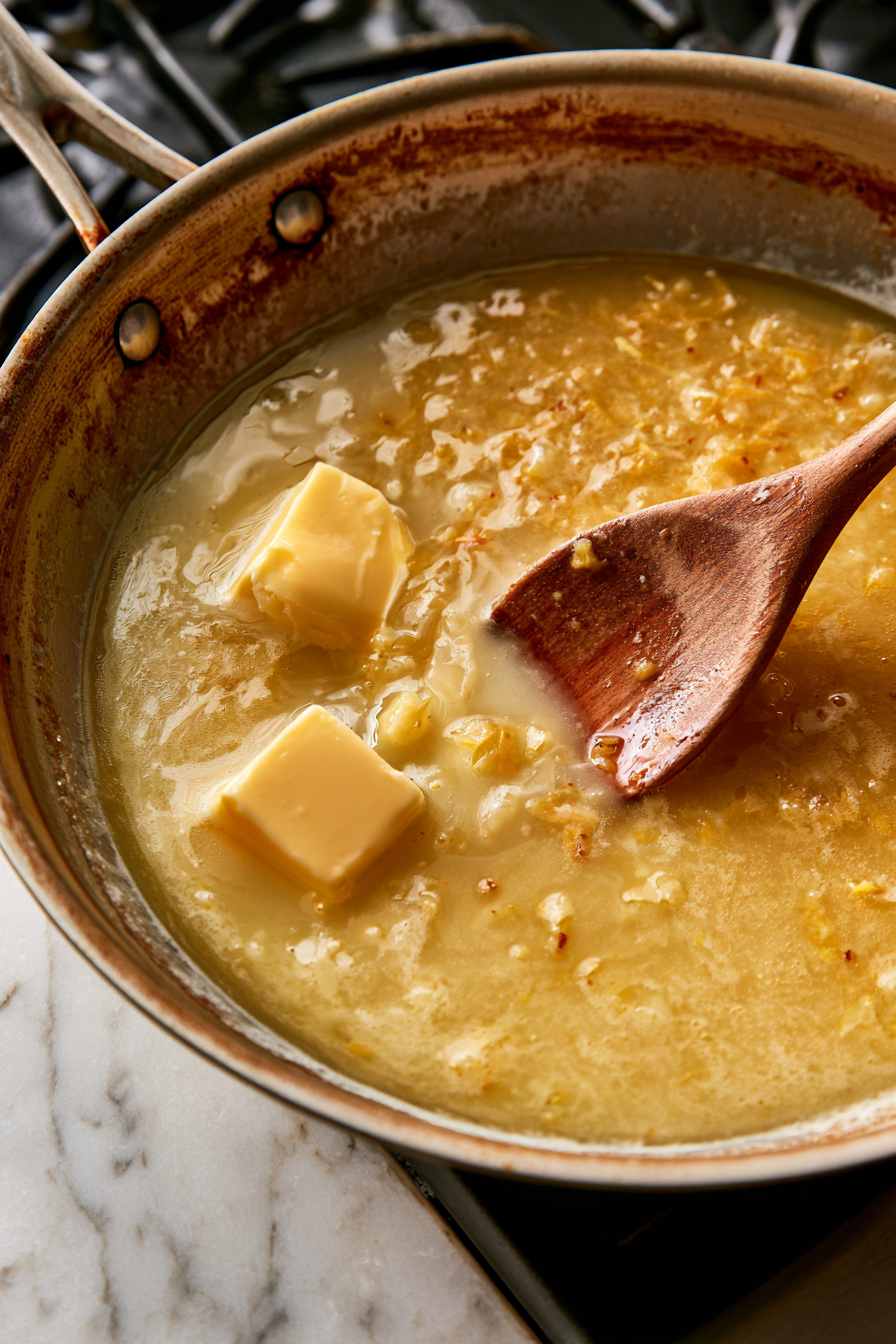
- Add the butter, lemon juice, lemon zest, and about ½ cup of the reserved pasta water. Stir until the butter melts and the sauce becomes glossy. Taste the sauce and season with salt and black pepper as needed.
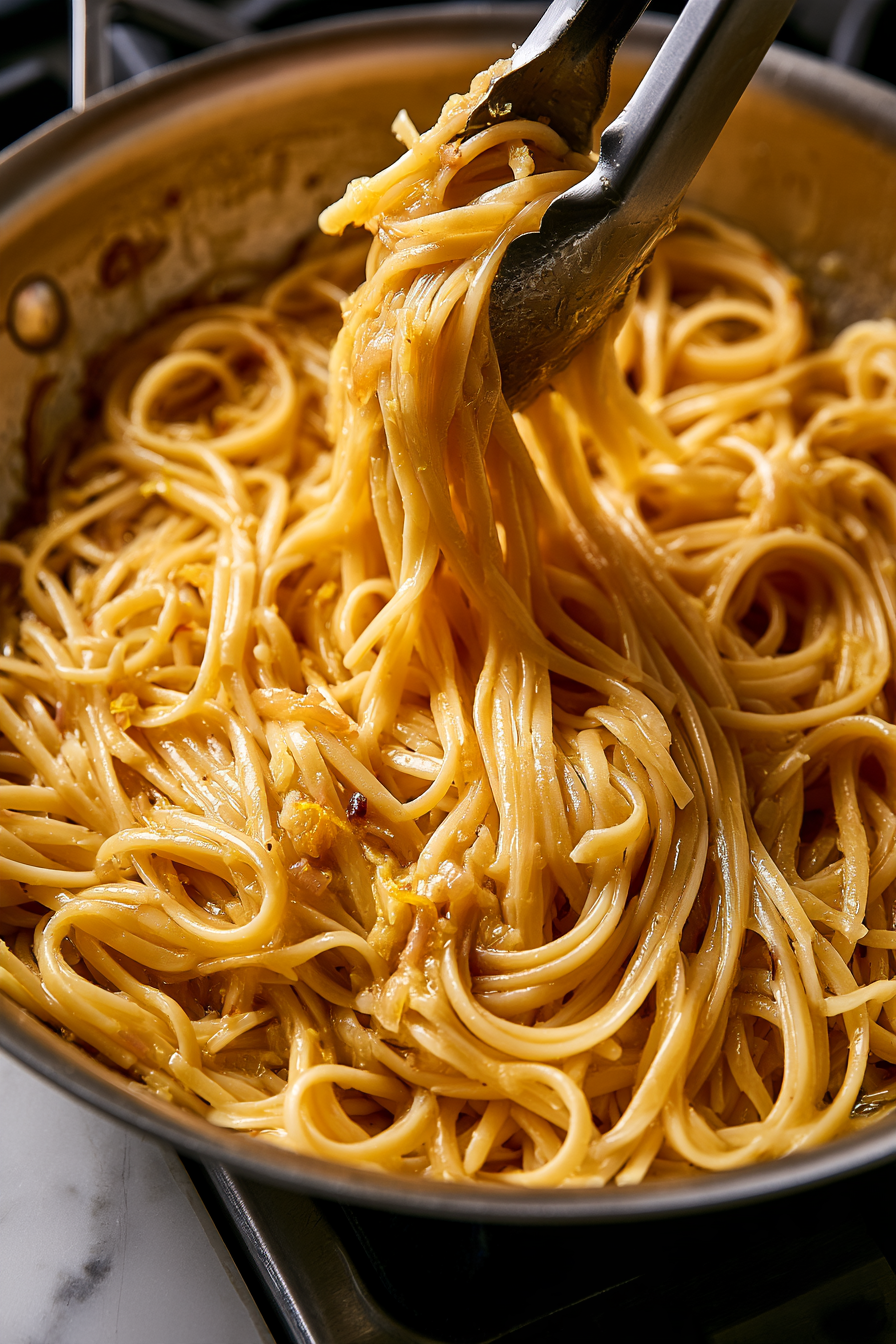
- Add the drained pasta to the skillet and toss thoroughly to coat the strands in the garlic butter sauce. If the pasta looks dry, add a little more reserved pasta water until the sauce clings smoothly to the noodles.
- Return the shrimp and any accumulated juices to the skillet. Toss gently for about a minute, just until the shrimp are warmed through. Stir in the chopped parsley and adjust the lemon juice, seasoning, or red pepper flakes to suit your taste.
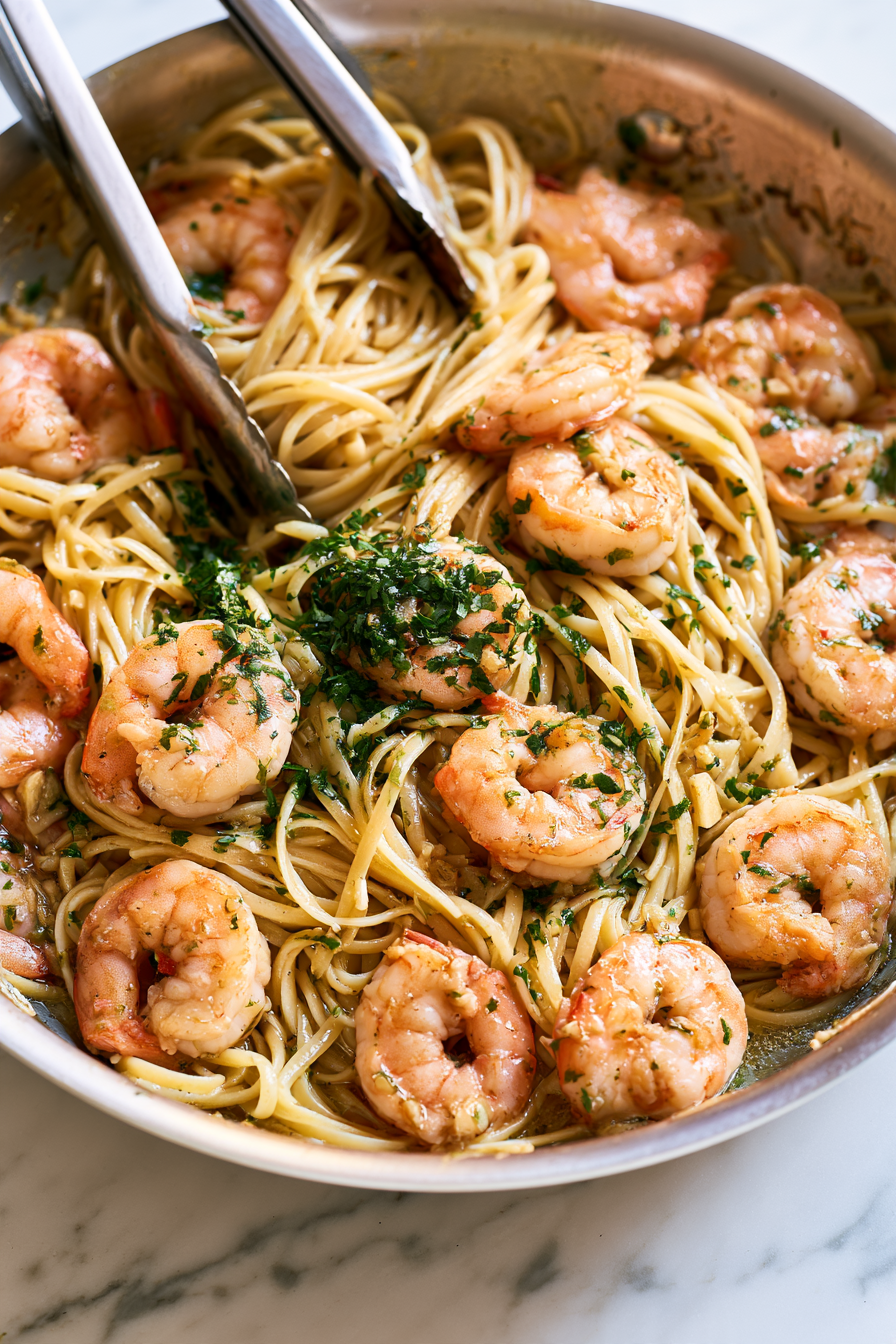
- Divide the shrimp scampi pasta among warm serving bowls. Garnish with extra parsley and serve immediately with lemon wedges on the side.
Nutrition Information
| Nutrient | Approximate amount per serving |
|---|---|
| Calories | 650 kcal |
| Carbohydrates | 68 g |
| Protein | 35 g |
| Fat | 25 g |
| Fiber | 3 g |
| Sugar | 4 g |
| Sodium | 650 mg |
Common Shrimp Scampi Pasta Problems and Fixes
- The shrimp turn rubbery: Shrimp cook quickly and can become tough if left in the skillet too long. Cook them just until pink and opaque, remove them from the pan, and return them to the sauce near the end.
- The sauce looks oily: The butter and oil may not be combining with enough starchy pasta water. Add the reserved water a little at a time while tossing the pasta to help emulsify the sauce.
- The garlic tastes bitter: Garlic can burn quickly over high heat. Add it after the shallots soften and cook only until fragrant before pouring in the wine.
- The sauce tastes too acidic: Lemon and wine can become prominent if the sauce reduces too much. Add a small splash of pasta water and a little butter to soften the sharpness.
- The pasta seems dry: Pasta continues absorbing sauce as it sits. Toss in a little reserved pasta water before serving until the noodles look lightly coated.
- The dish tastes bland: Check the salt first, then adjust the lemon juice, black pepper, or red pepper flakes. Seasoning the shrimp and pasta water properly helps build flavor throughout the dish.
Creative Twists to Try
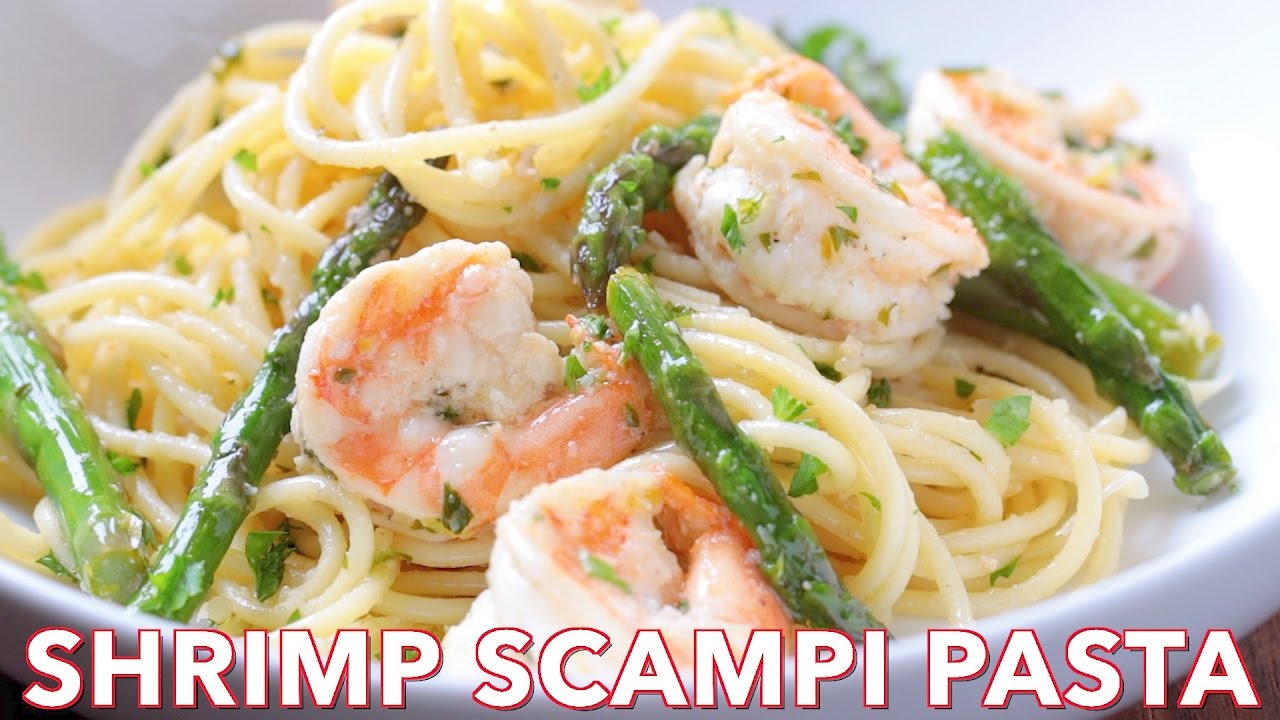
- Add cherry tomatoes: Toss halved cherry tomatoes into the skillet after cooking the shallots. Let them soften before adding the wine for a fresh, slightly sweet addition.
- Use chicken broth instead of wine: Replace the white wine with low-sodium chicken broth if you prefer not to cook with wine. A little extra lemon juice can help maintain the brightness.
- Add baby spinach: Stir in a handful of baby spinach after adding the shrimp back to the skillet. Let it wilt briefly in the warm sauce.
- Make it spicier: Increase the red pepper flakes gradually for a more pronounced heat.
- Try whole-wheat pasta: Use whole-wheat linguine or spaghetti for a nuttier flavor and more fiber. Follow the package instructions for cooking time.
- Add grated Parmesan: Sprinkle a small amount of Parmesan over individual servings if you enjoy a cheesier finish. The flavor will be less traditional but still complements the garlic and lemon.
- Use extra herbs: Add a little fresh basil alongside the parsley for a different herbal note.
More Pasta Recipes to Try
- Chicken Sausage Pasta
- Chicken Bacon Ranch
- One-Pot Tomato Pasta
- Marry Me Chicken Pasta
- Baked Feta TikTok Pasta
How to Store Shrimp Scampi Pasta
- Refrigerate promptly: Transfer leftovers to an airtight container and refrigerate within two hours of cooking. Keep the refrigerator at 40°F (4°C) or below.
- Use within three days: For the best quality and food safety, eat refrigerated leftovers within 3 days.
- Store the sauce with the pasta: Keep the shrimp and pasta together to retain the flavor, but avoid adding extra pasta water until you are ready to reheat.
- Reheat gently: Warm leftovers in a skillet over low to medium-low heat with a small splash of water or broth. Stir gently and heat until the shrimp reach 165°F (74°C).
- Avoid repeated reheating: Reheat only the portion you plan to eat. Repeated heating can make the shrimp tough and the pasta overly soft.
Frequently Asked Questions
- What is shrimp scampi sauce made of?
Shrimp scampi sauce typically includes butter, olive oil, garlic, white wine, lemon juice, and fresh herbs. In this recipe, shallots and red pepper flakes add extra flavor. - What kind of white wine is best for shrimp scampi pasta?
A dry white wine such as Sauvignon Blanc or Pinot Grigio works well. Choose one with a crisp flavor rather than a sweet variety, since the wine adds acidity to the sauce. - Can I use frozen shrimp for this recipe?
Yes. Thaw frozen shrimp completely before cooking, then pat them dry with paper towels. This helps them sear properly and prevents excess water from diluting the sauce. - How do I know when shrimp are fully cooked?
Shrimp should turn pink and opaque, with the flesh firm but still tender. For a food-safety check, cook them to an internal temperature of 145°F (63°C). - Can I make shrimp scampi without lemon zest?
Yes. The lemon juice will still provide acidity and freshness. Zest adds a more concentrated citrus aroma, but the recipe will work without it. - Why is pasta water important in shrimp scampi?
Pasta water contains starch released during cooking. When added gradually and tossed with the butter and oil, it helps create a smoother sauce that coats the noodles. - Can I make shrimp scampi pasta without red pepper flakes?
Absolutely. Red pepper flakes are optional for heat. Leave them out for a milder sauce, or add a small pinch if you prefer just a gentle warmth. - What pasta shape works best for shrimp scampi?
Linguine and spaghetti are excellent choices because their long strands hold the light butter sauce well. Other long pasta shapes can also work if cooked until al dente.

hi there,
The Freshman Cook started as a place to keep track of recipes I wanted to make again. Somewhere along the way, it grew into a collection of meals that friends requested, desserts that disappeared too quickly, and weeknight dinners that made life a little easier.
know more