
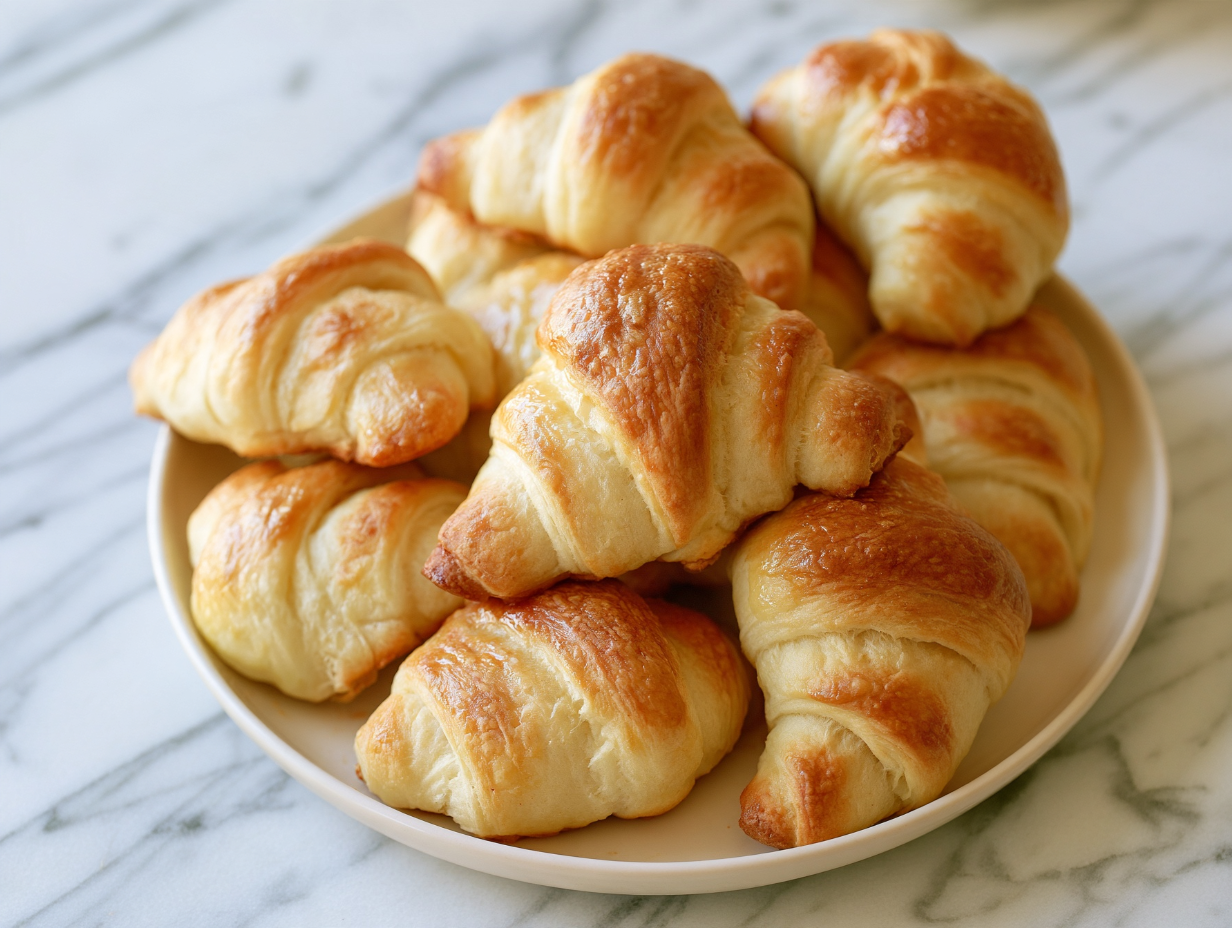

Homemade crescent rolls are a wonderful addition to breakfast, dinner, or a snack table when you want soft, buttery bread with flaky layers. Made with flour, yeast, warm milk, eggs, and butter, this dough is rolled into triangles and shaped into crescents before baking.
The process is straightforward, and the ingredients are everyday baking staples that come together into rolls you can serve with a variety of meals.
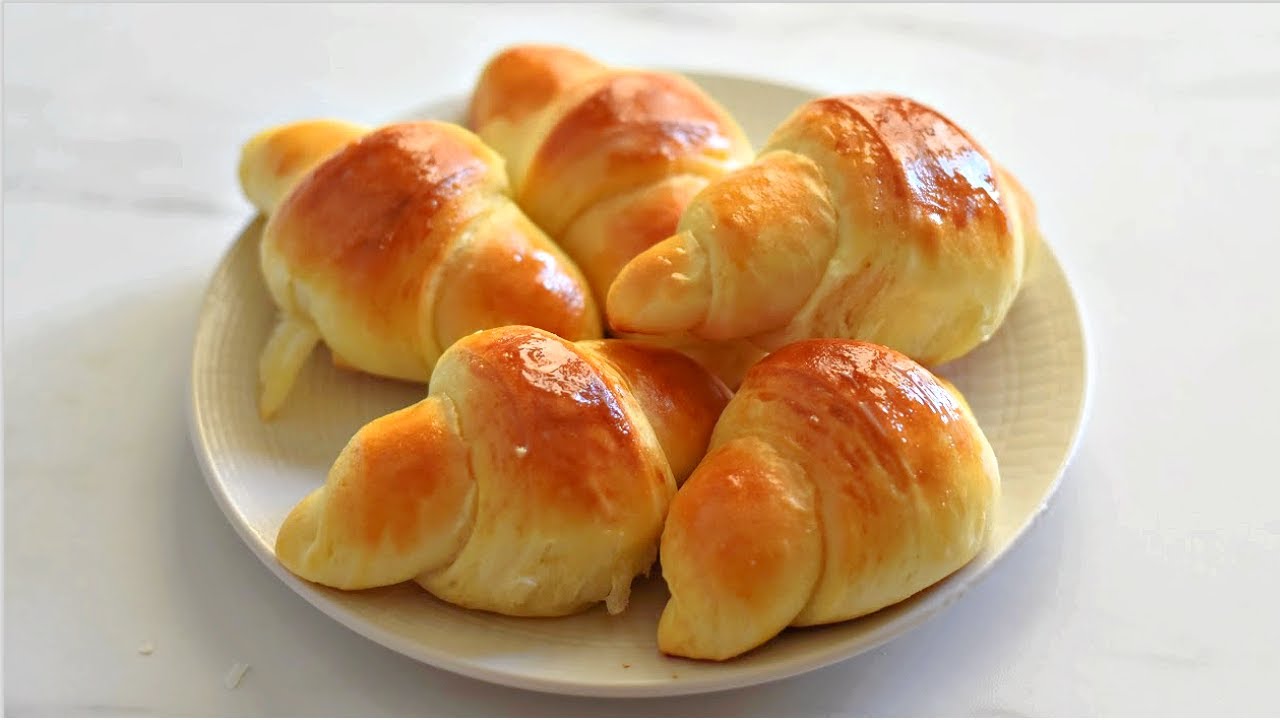
These crescent rolls have a tender interior, lightly golden exterior, and buttery finish. They are great served warm alongside soups, pasta, roasted vegetables, or a holiday meal.
You can also use the homemade dough as a starting point for filled rolls, sweet variations, and savory appetizers.
What Makes These Homemade Rolls Worth the Extra Time
Making crescent rolls from scratch gives you control over the dough, buttery layers, and final texture.
The yeast helps the dough rise and become light, while eggs and butter add softness.
Once the dough is rolled, cut, and shaped, the rolls need only a short second rise before baking.
They are useful for everyday dinners, holiday spreads, or making a batch of bread that can be served throughout the week.
Ingredients That Help Create Soft and Flaky Rolls

- All-Purpose Flour: Flour forms the structure of the dough. Measuring it accurately helps prevent the rolls from becoming too dense or dry.
- Granulated Sugar: Sugar provides a little sweetness and helps support yeast activity. The amount is modest, so the rolls remain suitable for savory meals.
- Active Dry Yeast: Yeast helps the dough rise, giving the rolls their soft and airy interior. Allow it to foam in warm milk before mixing the remaining ingredients.
- Salt: Salt balances the sweetness and brings out the flavor of the dough. It also helps regulate yeast activity.
- Warm Milk: Milk provides moisture and contributes to the soft texture. Aim for approximately 110°F so it is warm enough to activate the yeast without overheating it.
- Melted Unsalted Butter: Butter mixed into the dough adds flavor and softness. Let it cool slightly before adding so it does not unnecessarily heat the yeast or eggs.
- Eggs: Eggs help bind the ingredients and add richness to the dough.
- Softened Butter for Filling and Brushing: Spread softened butter over the rolled dough before cutting the triangles. A final brush of melted butter gives the baked rolls a flavorful finish.
Chef’s Tip: Let the dough rise in a warm, draft-free spot. If your kitchen is cool, the rising time may take longer than the recipe suggests, so look for the dough to double in size rather than relying only on the clock.

Crescent Roll Recipes
Equipment
- Large mixing bowl
- Stand mixer (optional)
- Measuring cups and spoons
- Whisk
- Rolling Pin
- Baking sheet
- Parchment paper
- Pastry brush
- Clean kitchen towel
Ingredients
- 3½ cups all-purpose flour
- ¼ cup granulated sugar
- 2¼ teaspoons active dry yeast 1 packet
- 1 teaspoon salt
- ¾ cup warm milk 110°F
- ¼ cup unsalted butter melted
- 2 large eggs
- 3 tablespoons unsalted butter softened, for spreading
- 1 tablespoon melted butter for brushing the tops
Instructions
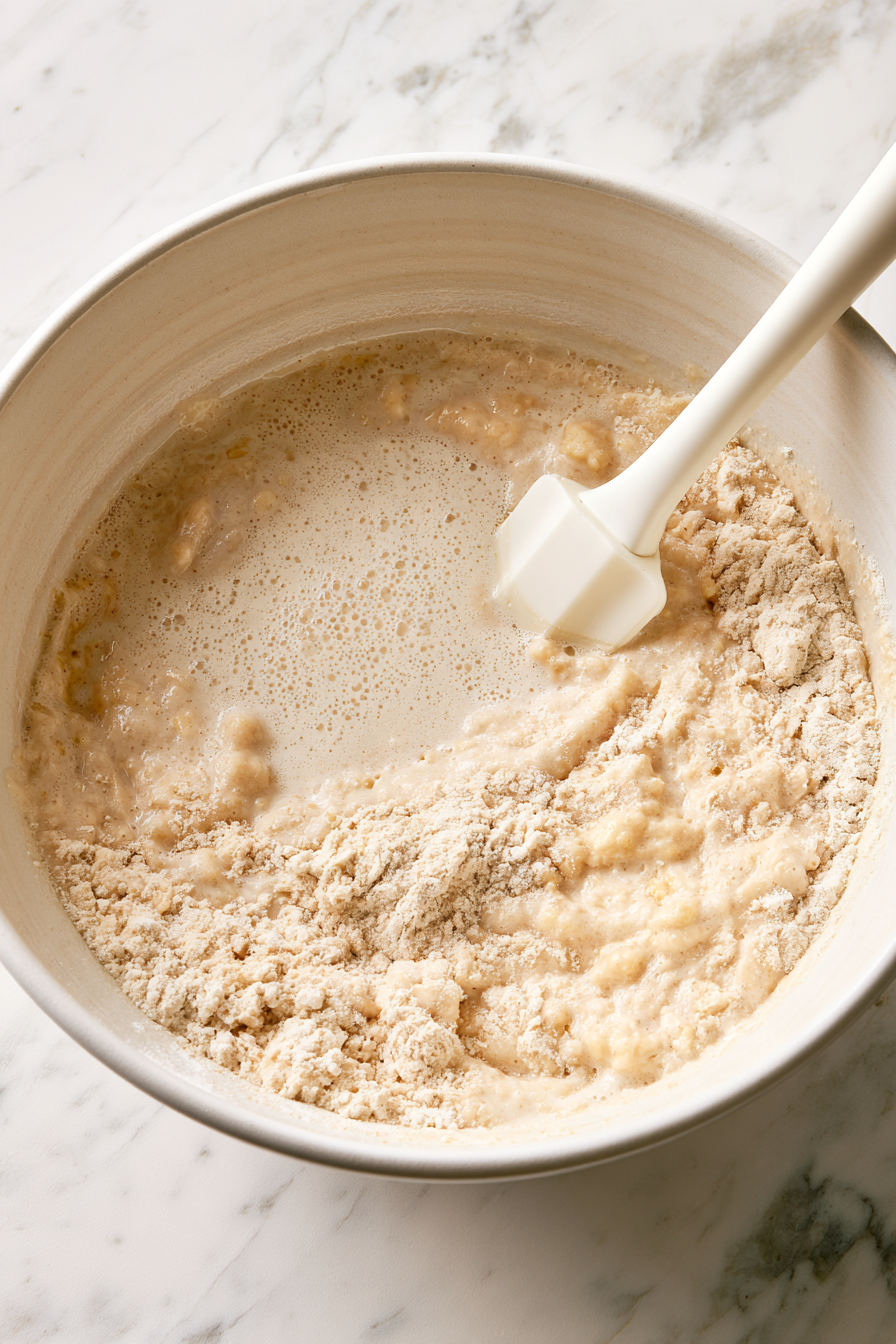
- In a large bowl, combine the warm milk, yeast, and a teaspoon of sugar. Let stand for 5–10 minutes until foamy. Add the remaining sugar, melted butter, eggs, salt, and flour. Mix until a soft dough forms.
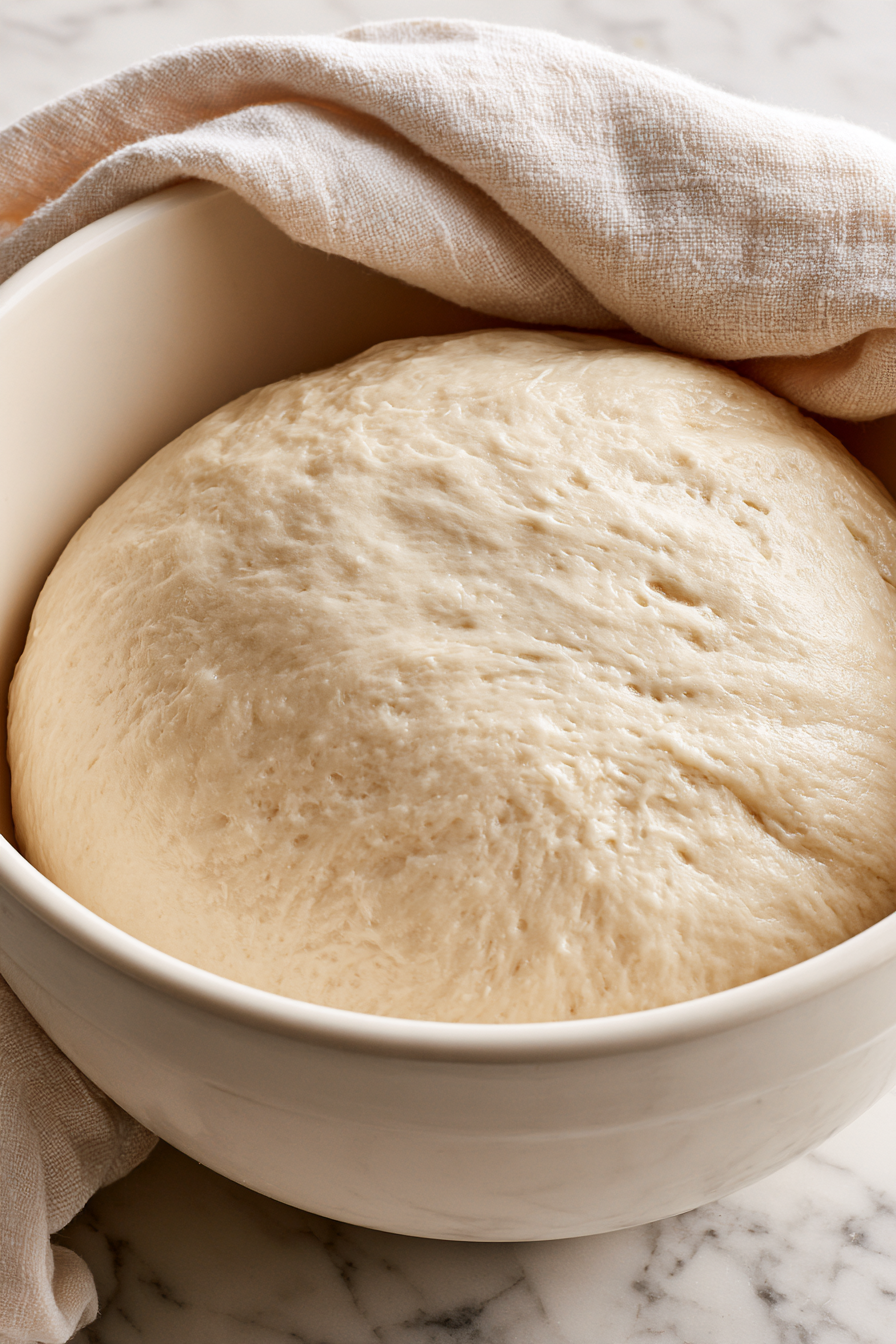
- Knead the dough for 8–10 minutes by hand or with a stand mixer until smooth and elastic. Place it in a lightly greased bowl, cover, and let rise for about 1 hour, or until doubled in size.
- Punch down the dough and divide it into two equal portions. Roll each portion into a circle about 12 inches wide. Spread softened butter over the surface, then cut each circle into 8 triangular wedges.
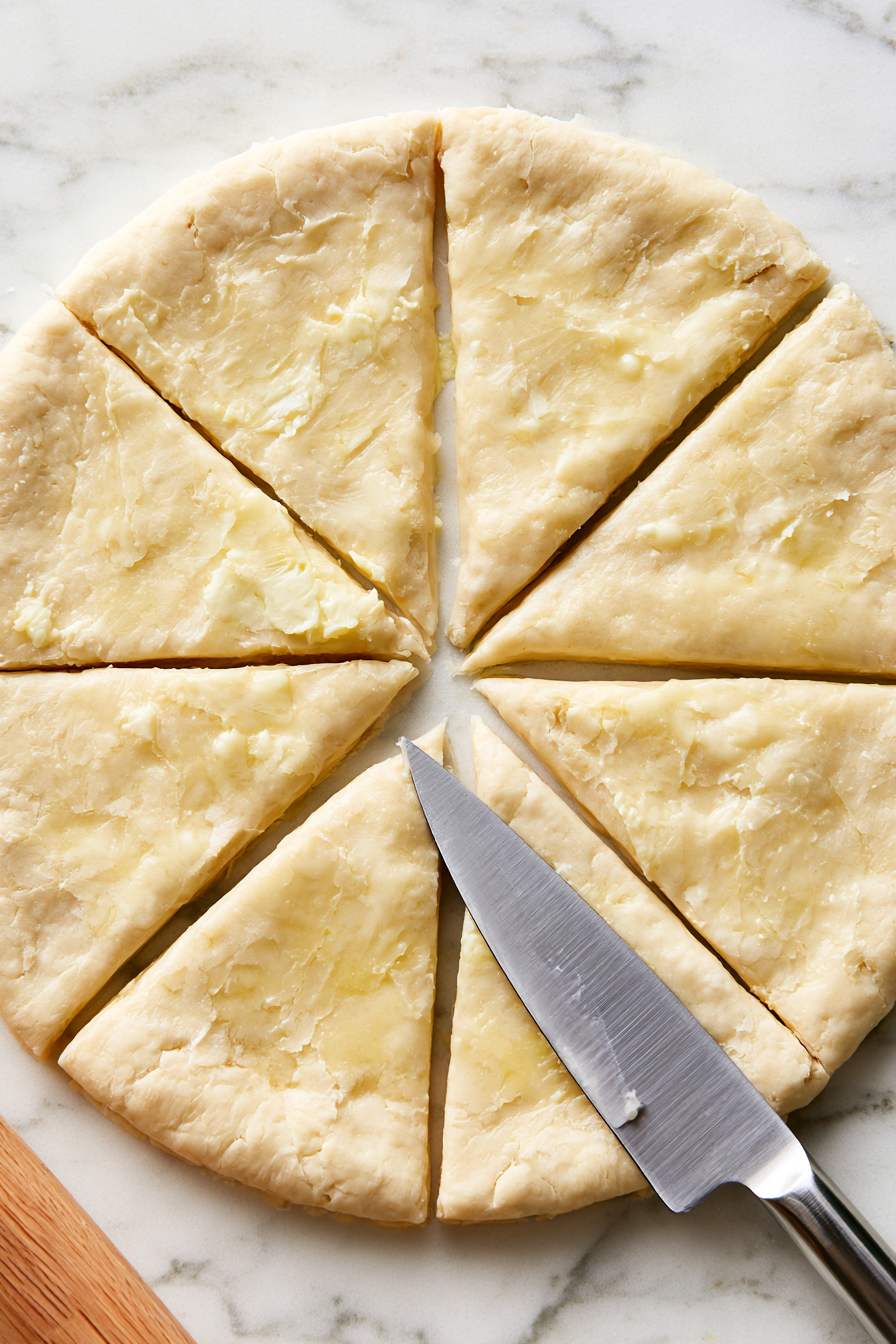
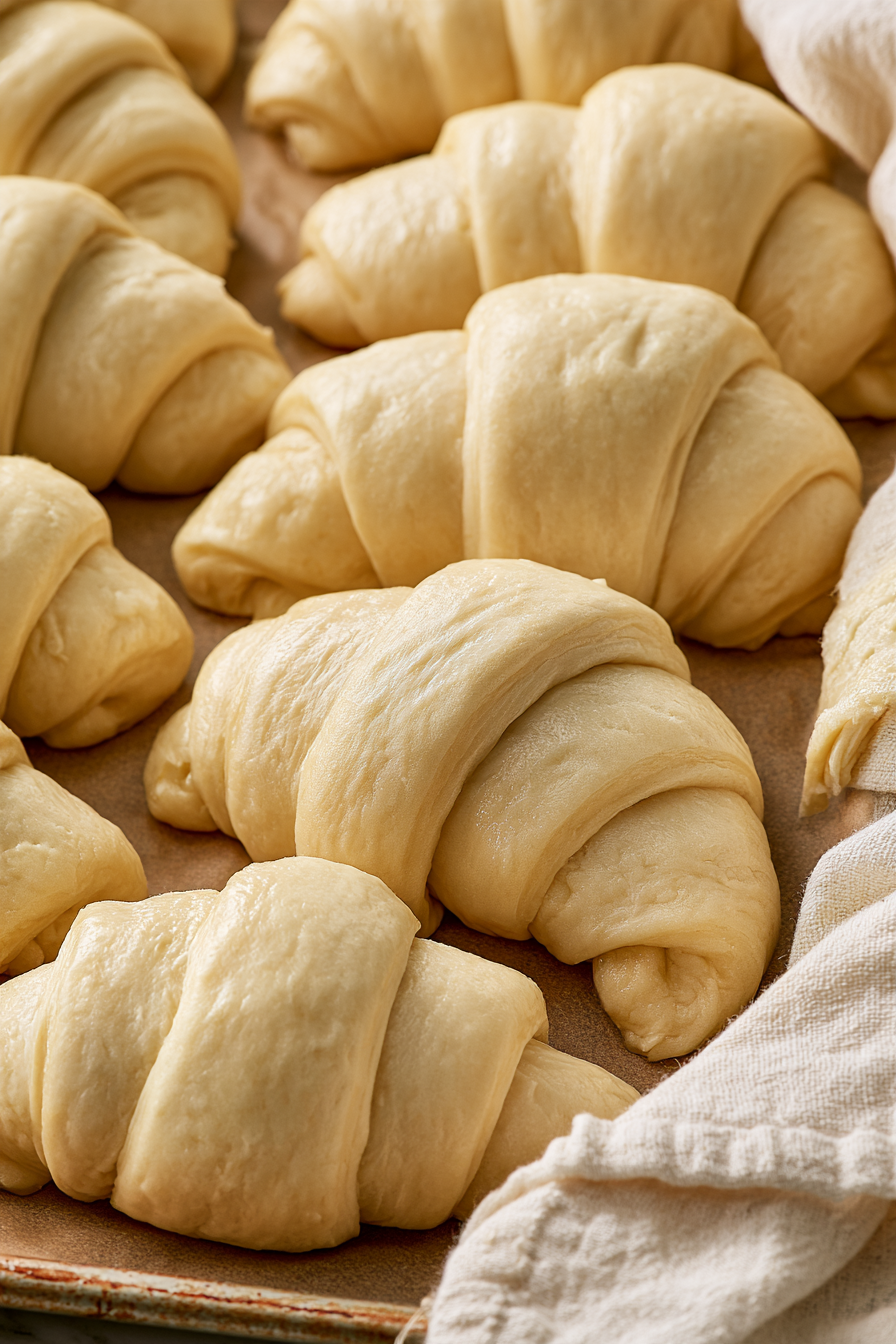
- Roll each wedge from the wide end toward the pointed end to form a crescent. Arrange the rolls on a parchment-lined baking sheet, cover loosely, and let rise for 30 minutes until puffy.
- Preheat the oven to 375°F (190°C). Bake the crescent rolls for 12–15 minutes, or until golden brown. Brush the warm rolls with melted butter and let them cool slightly before serving.

Nutrition Information Per Serving
| Nutrient | Amount |
|---|---|
| Calories | 165 kcal |
| Carbohydrates | 23 g |
| Protein | 4 g |
| Total Fat | 6 g |
| Saturated Fat | 3 g |
| Fiber | 1 g |
| Sugar | 3 g |
| Sodium | 180 mg |
| Cholesterol | 25 mg |
Common Dough and Baking Problems to Watch For
- The Dough Doesn’t Rise: Yeast may be inactive or the milk may have been too hot or too cold. Check the yeast’s expiration date and allow it to foam before mixing the dough.
- The Dough Feels Too Sticky: Sticky dough can sometimes be normal at the beginning of kneading. Knead it thoroughly before adding extra flour, and add small amounts only if necessary.
- The Rolls Turn Out Dense: Dense rolls may result from insufficient kneading or not allowing enough time for the dough to rise. Make sure the dough is smooth and elastic and has visibly doubled before shaping.
- The Crescents Unroll During Baking: Roll each triangle firmly from the wide end toward the tip and place the pointed end underneath on the baking sheet.
- The Rolls Brown Too Quickly: If the tops are browning before the rolls are baked through, check your oven temperature and avoid placing the baking sheet too close to the upper heating element.
- The Rolls Are Dry: Overbaking or adding too much flour can make the rolls dry. Keep an eye on them during the final minutes of baking and remove them once they are golden brown.
Easy Ways to Customize the Dough and Serving Ideas
- Garlic Butter Finish: Mix minced garlic with melted butter and brush it over the warm rolls for a savory finish.
- Cheese-Filled Crescents: Place a small piece of mozzarella or cheddar near the wide end of each triangle before rolling.
- Cinnamon Sugar Rolls: Sprinkle cinnamon and sugar over the buttered dough before cutting and shaping for a sweeter variation.
- Herb Butter: Mix dried parsley, Italian seasoning, or rosemary into the melted butter used for brushing the baked rolls.
- Honey Butter: Brush the rolls with a mixture of melted butter and a little honey after baking for a lightly sweet finish.
- Seeded Tops: Sprinkle sesame seeds or poppy seeds over the rolls before baking for extra texture.
More Recipes to Serve With Homemade Crescent Rolls
- Minestrone Soup
- Slow Cooker Tortellini Soup
- One-Pot Tomato Pasta
- Marry Me Chicken Pasta
- Baked Feta TikTok Pasta
How to Store, Freeze, and Reheat Homemade Rolls
| Storage Method | Instructions |
|---|---|
| Room Temperature | Store completely cooled rolls in an airtight container or bread bag for up to 2 days. |
| Refrigerator | Refrigeration is generally not necessary for plain rolls and may make them dry faster. If you choose to refrigerate them, keep them sealed and reheat before serving. |
| Make Ahead | Prepare the dough and shape the rolls ahead of time, then refrigerate them before the second rise. Allow them to come closer to room temperature and become puffy before baking. |
| Freezer | Freeze fully cooled rolls in a freezer-safe bag or container for up to 2–3 months for best quality. |
| Oven Reheating | Warm the rolls at 300°F for about 5–8 minutes or until heated through. |
| Microwave Reheating | Heat one roll at a time for about 10–15 seconds, checking to avoid overheating and making the bread chewy. |
Frequently Asked Questions About Making Crescent Rolls From Scratch
1. Can I make the dough without a stand mixer?
Yes. You can mix and knead the dough by hand. Knead on a lightly floured surface for about 8–10 minutes, until the dough becomes smooth and elastic.
2. How do I know when the dough has finished its first rise?
The dough should approximately double in size. You can gently press a finger into the dough. If the indentation remains briefly and the dough feels airy, it is generally ready to be shaped.
3. Can I use instant yeast instead of active dry yeast?
Yes. Instant yeast can generally be substituted for active dry yeast in similar quantities. It can be mixed directly with the dry ingredients, although you can also dissolve it in warm milk if you prefer to follow the same mixing process.
4. Why do I need to let the rolls rise again after shaping?
The second rise allows the shaped dough to become lighter and puffier before baking. Skipping it can result in rolls that are less soft and airy.
5. Can I prepare the rolls the day before baking?
Yes. Shape the rolls, arrange them on the baking sheet, cover them, and refrigerate overnight. Allow them to become puffy before baking, as the cold dough may need additional time to rise.
6. How do I get the crescent shape?
Roll each dough circle into a 12-inch round and cut it into eight triangular wedges. Starting at the wide end, roll each triangle toward the pointed end. Curve the ends slightly to create the crescent shape.
7. Can I use these rolls for savory fillings?
Yes. The dough can be used for cheese, cooked chicken, vegetables, or other savory fillings. Keep the filling portions small so the dough can roll and bake properly.


hi there,
The Freshman Cook started as a place to keep track of recipes I wanted to make again. Somewhere along the way, it grew into a collection of meals that friends requested, desserts that disappeared too quickly, and weeknight dinners that made life a little easier.
know more